


Having recovered from a debilitating case of burnout herself, long-time educator Sue Webb now works with preservice and practicing teachers to upskill them in practices that prevent mental overwhelm and help to ensure their survival in the profession.
Webb says a critical strategy is to craft the time and space to engage in ‘deep work’ tasks during the school day, rather than saving this to be done on precious weeknights and/or the weekend.
Recognising what are your ‘shallow work’ tasks, versus those that require uninterrupted periods to engage with, is critical here, she says.
Undergoing deep work is tricky in the school environment, but it can be done, Webb adds.
“One of the things that we know is that schools are what we would call ‘interruption culture’ environments, so there’s lots of interruptions coming all the time – which is manageable for shallow work.
“So, by ‘shallow work’ we’re talking about work that doesn’t require a lot of brain power, and it might be those low-level, often routine tasks that you’re doing all the time that you don’t have to think too much about.”
Deep work on the other hand requires significantly more cognitive effort.
“It’s when you get into that state of flow,” Webb explains.
“These are things that really do need uninterrupted focus and attention – and when we get pulled away from that because of the constant interruptions at school, we call this ‘context switching’ – and [it] has a real effect on our mental and cognitive load.”
Lurching between shallow and deep work is incredibly taxing on the brain, Webb says.
“That’s why we get part-way through the afternoon, and you [go], ‘oh I just can’t think anymore’. The brain is just not working right.”
One way of minimising this is to proactively schedule in pockets of time for deep work to occur whilst on campus, Webb suggests.
Turn off any notifications, find a quiet space where you’re unlikely to be interrupted, and block out an hour or more to get the job done.
A huge driver of teacher burnout is the workload that, when left unchecked, eats into out-of-school hours that should really be about reset and recovery, Webb urges.
“What adds to the workload is that teachers say, ‘oh, I just don’t have time or the ability at school to get the deep work done’, so what do they do, they take it home and they try and do that deep work into the night or on the weekend.”
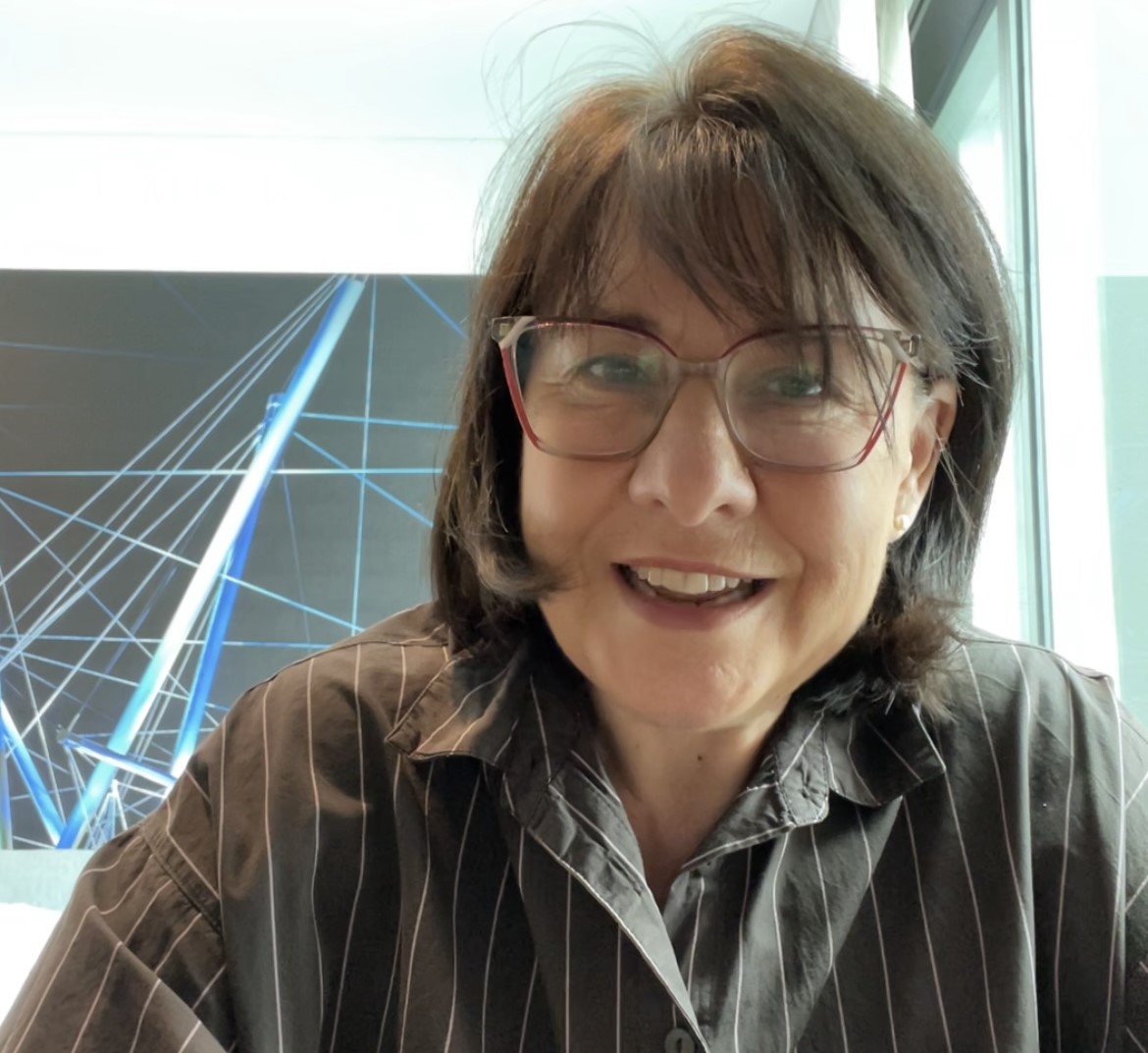
If you feel yourself slipping, take action early, Webb says. Draw on your support networks and use wellbeing self-audit tools to course correct.
Research consistently shows that the ‘push factors’ driving teachers from the profession have little to do with actual act of teaching itself, Webb notes.
It pays to bear this in mind when planning your approach to each term, she says.
“Teachers enjoy teaching – it’s the other stuff that gets in the way that becomes the push factors.
“So one of the things I talk about is optimising the work that has high value and that keeps you connected to purpose, [to avoid becoming] tangled up in the weeds of all the administrivia that needs to be done, and we know very well that’s not actually going to add to student outcomes – it’s boring work and it shifts us from paying attention and prioritising the stuff that fills our buckets,” Webb shares.
Get clear on what is going to really add value to your students’ progress each term, and then “spend your time and energy really putting those things front and centre”, she says.
But if you’re going to say no to something, have a strategy in place.
“Say no strategically, so that you can say ‘yes’ to opportunities for professional growth, because if you feel as though you’re not growing professionally, then you start to lose interest and job satisfaction becomes eroded.”
Webb offers an example here.
“If my priority for the term is to improve literacy, then I’m going to say no to things that take me away from that task, so that I can say yes to the projects that I can grow professionally and learn more about how to improve literacy outcomes with students.”
Another powerful strategy for teachers is to pin-point particular ‘stress seasons’ throughout the school year, Webb says.
For drama teachers, this might be the period around a school performance, or for VCE teachers it might hit in the lead up to exams.
The key here is to intentionally build-in recovery times throughout the year, Webb says.
“We can work in high stress for periods of time, so long as we’re not jumping from stress season to stress season, as long as we’re recovering in the off season.
“So, that’s where I’m going to really enforce boundaries, I’m going to make sure I don’t overcommit because my priority there is ‘I need to recover before I go into my next stress season’.”
Above all, protect your time and energy so that you can show up for your students in the way that they need you to, Webb suggests.
“I also talk about conducting regular self-audits, and there are some good mental health continuums that I often use in workshops, and I get teachers to actually identify where they are on the mental health continuum and to practice doing these regular self-audits so that they can check that they’re not working beyond capacity.
“And if they are, if they start to notice some of the symptoms that are listed in those tools, symptoms of chronic stress or emotional overload, they don’t keep pushing through.”
If you feel yourself slipping, take action early, Webb says. Draw on your support networks and use the self-audit tools to course correct.
“[Do this] rather than trying to push through until the school holidays, by which time the damage has largely been done.”