


From programs marketed as ‘evidence-based’ that come with questionable research behind them, to ‘risky’ yet popular strategies that encourage student bystanders to intervene, many Australian schools are still being led astray when it comes to bullying prevention and management, Dr Karyn Healy says.
The researcher and psychologist from the University of Queensland argues despite the huge effort and resources that educators put into addressing bullying at a whole-school level, we know these initiatives offer little assistance for children who continue to be targeted.
“All schools and governments want to address bullying. They also want to be seen to be addressing bullying. And [often] the two aren’t the same,” Healy tells EducationHQ.
“So, sometimes schools do things to show they are addressing bullying, which are actually counterproductive.
“For instance, giving victims a voice by getting them to speak in front of the class, speak in front of the [school], videoing them and putting them on the (school) website.”
Sweeping meta-analyses have only recently teased apart the various elements of school bullying programs to assess their impact, Healy notes, finding some do in fact worsen the problem.
One is the bystander intervention approach, which was picked up on the basis of just one observational study with glaring limitations, the expert says.
“…[The study] showed that if someone intervenes then bullying will stop shortly afterwards, but it didn’t really compare to what happens if no one intervenes – and there was no measure also whether the bullying then occurred at the next break or the next day.
“We had no information whatsoever from the study about the ongoing impacts.”
The conclusion that bystander action is helpful has been grossly extrapolated to ‘we need to train as many kids as possible to get involved’ in instances of bullying, Healy suggests.
“And that definitely has not been demonstrated by the research (to be effective).
“There’s some reasons to think that may not be helpful for kids who are on the receiving end of bullying, because it can potentially really draw broader attention to the issue and be quite embarrassing for the victim.”
Healy says the approach has ‘run away with itself’ in schools, despite the patchy evidence supporting it.
“It doesn’t necessarily follow that training of the kids who know nothing about the situation, to come in and get involved, is going to be a helpful thing.
“I think schools assume that’s going to be an effective thing when it may not be.”
In February, an expert called for a national standard to stamp out bullying in Australian schools, warning confusing labels, off-the-mark definitions and programs with hazy evidence are clouding the scene.
Healy says that on average, whole-school programs designed to address and/or prevent bullying have been shown to reduce the instance of it by about 15 per cent across the school.
“It means that many kids keep getting bullied after the programs are implemented.”
Her advice to school leaders is to stick to what we know to be effective.
“There are some things that we know: having good behaviour management works, we know that having a school climate that encourages people to be kind and inclusive, that works, we know working with parents and communication with parents’ works.
“… but there’s also some things that are risky that schools do.”
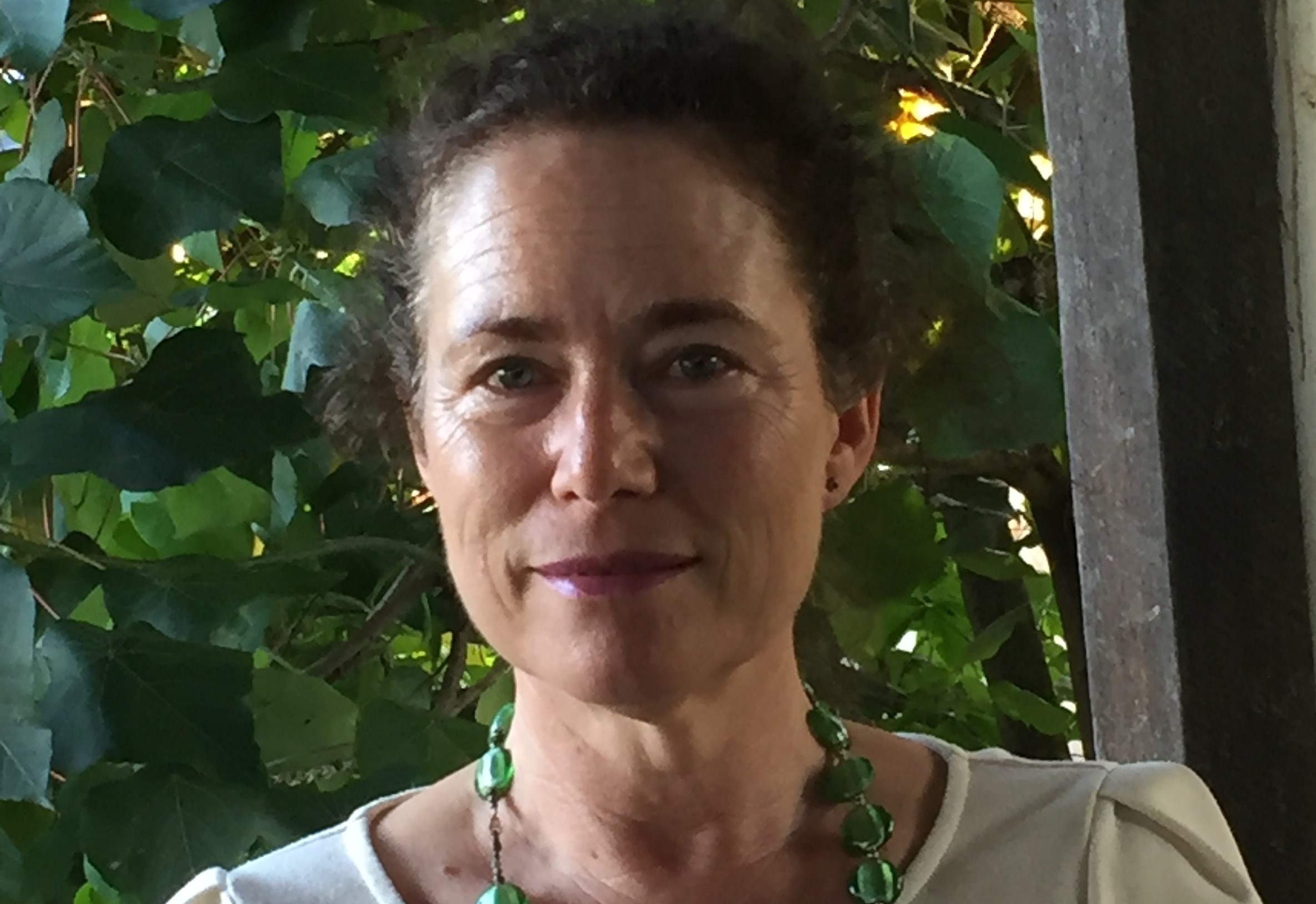
Dr Karyn Healy says determining if school bullying is occurring or not is “not an exact science”, and that often it’s very difficult for adults to ascertain.
A common obstacle to addressing bullying is that parents and schools can often disagree about whether a particular situation constitutes bullying or not, Healy flags.
This come down to the nature and definition of bullying itself, she explains.
“Bullying is a little bit different to other forms of aggression in that it’s not accidental, it’s deliberate, it’s hurtful, and it’s repeated, and it’s done with an intent to hurt.
“So, to actually work out whether something is bullying or not, it sometimes takes more than one perspective, and there are very often different perspectives about it, because teachers would have different information than parents would in [a given] situation.”
Healy reminds us that determining if bullying is occurring or not is “not an exact science”, and that often it’s very difficult for adults to ascertain.
“It may not be only bullying that’s harmful for kids. It might also be that when kids feel bullied, that that might be harmful for them...
“But really, only the child who’s bullying really knows whether they’re doing something to deliberately hurt the other child.
“If they deny it, I mean, it’s very difficult for adults to be able to tell.”
Even if a school is not sure if bullying is taking place, investigating the situation can give teachers and school leaders a clearer idea about what’s going on, Healy adds.
Sometimes children are upset by behaviours that may seem innocuous – such as humming, tapping or standing close, she says.
“…it might be that the parent realises it maybe wasn’t bullying after all, that the [alleged bully] wasn’t realising that what they were doing was hurting [another child], and it’s stopped now.”
Another common scenario that plays out is when children respond aggressively to deliberate provocation, giving educators a skewed picture of what’s unfolding, Healy says.
“There can be a child who’s very calmly and very deliberately doing things to provoke another child, and very often they’re able to do that without adults having seen them – they might have their secret little gestures or they might be whispering and saying things behind the child, or deliberately tripping…
“And if they’re doing those things towards a child who lashes out angrily and yells out, that’s the behaviour that the teachers will notice.”
Here schools might understandably conclude that the victim is being aggressive or is even the bully, Healy says,
“That’s another pretty common situation where teachers and parents might have a really different perspective of what’s happening.”
We should bear in mind that regardless of whether or not schools and parents agree that bullying is taking place, if a child is upset by something that’s happening at school and they believe there is deliberate intent behind it, this is still a harmful situation in need of attention, Healy says.
She notes research showing parents’ reports that their child has been bullied carry an increased risk of their later anxiety and depression, regardless of whether school staff agree or were even asked if the child was bullied.
Earlier this year the Federal Government charged two experts with leading a review into school bullying.
Dr Charlotte Keating, a clinical psychologist with a PhD in neuroscience, and Dr Jo Robinson, who leads the suicide prevention research unit at Orygen, were tasked with developing a new national strategy that will reportedly be “grounded in evidence and informed by lived experiences”.
Healy says establishing a national register of evaluated programs for schools could function as a “clearing house” and help to weed out ineffective and/or damaging interventions.
“Because at the moment, there are a lot of programs that are advertised for schools, and it says on their website that they’re evidence-based when they’re not, and it’s really difficult and a big job for schools to have to sort out what does have some evidence for effectiveness and what doesn’t.”
Bullying in Australian schools is a “serious problem”, the Australian Human Rights Commission has concluded, with more than 20 per cent of boys and 15 per cent of girls aged 8 to 18 years reporting being bullied at least once a week.
Dr Grace Skrzypiec, a school bullying researcher and senior lecturer at Flinders University, has previously noted an alarming instance of ‘peer aggression’ amongst students.
“I’m working on a paper at the moment that shows that about 40 per cent of kids are involved in what we call peer aggression, where they’re mean to each other – and usually people who are victimised also perpetrate, they try to fight back.
“It’s rare to have the individual who doesn’t, and that is the individual that’s going to be harmed by it…” she said earlier this year.
Confidential help and free counselling is available at Lifeline on 13 11 14 and Kids Helpline on 1800 55 1800.