
Led by Dr Charlotte Keating and Professor Jo Robinson, recommendations from the Anti-Bullying Rapid Review will be outlined at the ministerial meeting, while the eSafety Commissioner and the Minister for Communications will provide an update on the social media ban and the work underway to ensure “platforms take their responsibilities seriously to protect children”.
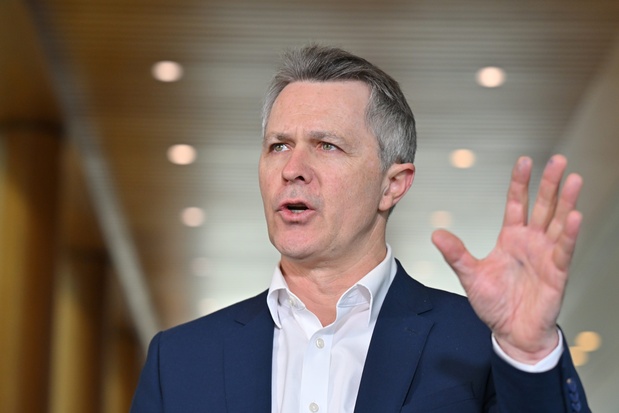
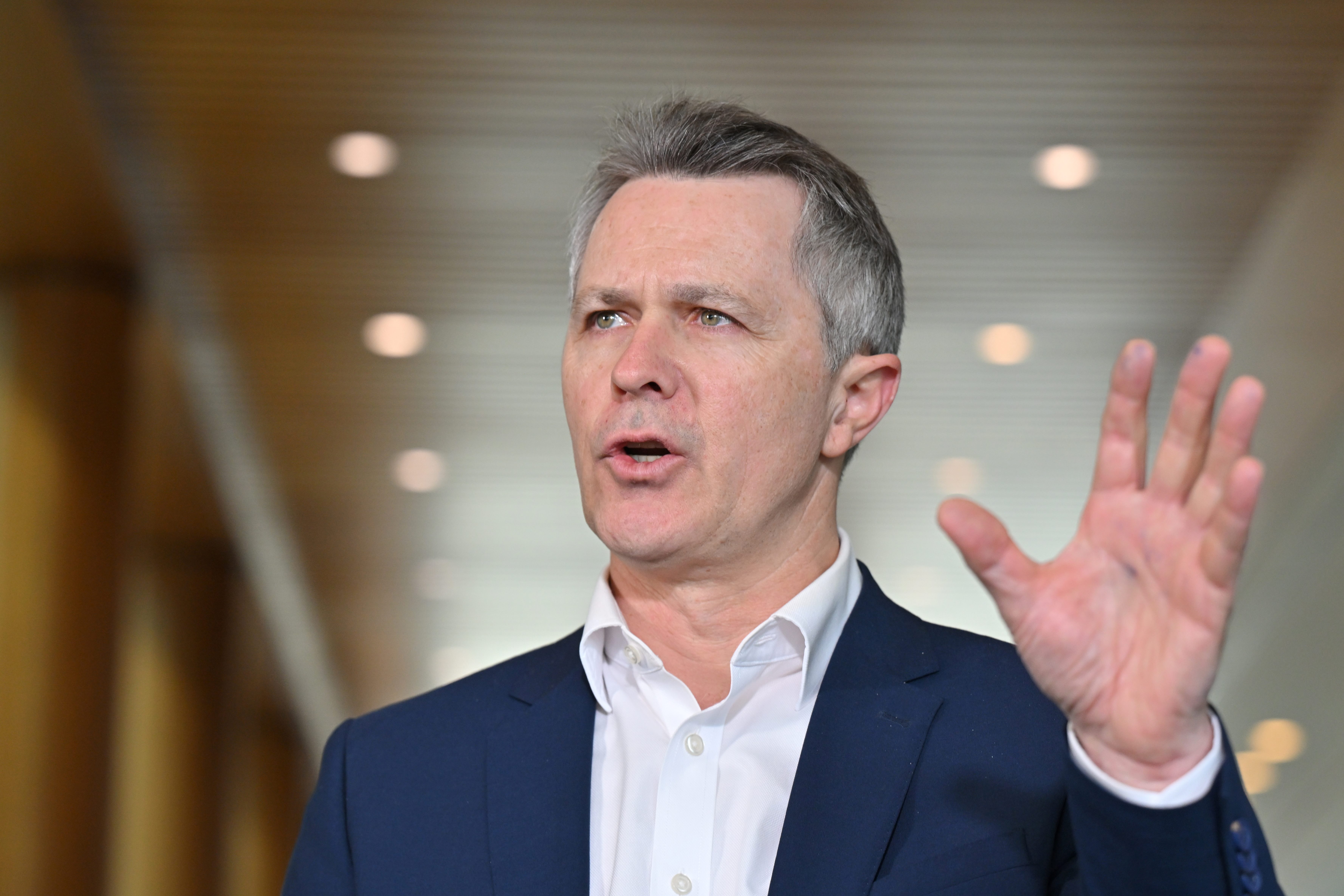
Clare, the Federal Minister for Education, told reporters yesterday that bullying is no longer “just push and shove in the playground or stealing someone else’s lunch money”.
“It looks a lot different today than what it looked like back when we were at school. A big part of that is because of social media and because of the internet,” Clare said.
“Nowadays the bully can follow you all the way home, and back into your home, and bully you on the phone or on the iPad in front of everybody, day and night.
“Bullying online means that everybody can see it, that you can feel like you can never escape it.”
Parents whose children have taken their own lives because of online bullying, and who speak to “some of the most tragic and heart wrenching examples” of the problem, have been involved in the review, Clare added.
“The evidence that we’re seeing tells us that about one in four young people tell us they’ve been bullied in the last few weeks at school or by school friends, that about one in two young people have been bullied online, and terrifyingly that 13 per cent of young people tell us that that online bullying involves someone telling them to kill themselves,” he said.
According to the eSafety Commissioner, there’s been a 450 per cent increase in the number of online bullying complaints lodged in the last five years.
“This is getting worse, not better, and it needs action. It’s a national problem, it needs a national response,” Clare asserted.
Reports have indicated that while bullying in the school playground is decreasing slightly, the problem is intensifying online, he told journalists.
“This is complex, this is hard. What parents are telling us is that a big part of the problem is schools not acting fast enough, that the sooner you can nip it in the bud the better.”
Teachers are saying they are in need of more support, tools, resources and training to tackle the issue, Clare noted.
“So, these are all the sorts of things that we’ll consider as part of this report.”
Clare suggested that students are better off when the option to enter the ‘cesspit of social media’ is removed.
“A couple of years ago we banned mobile phones in schools and we’re seeing the impact that they’re having, kids are more focussed in the classroom, kids are also having more fun in the playground, they’re playing with their mates rather than staring at their phone.
“But when three o’clock comes the phone gets handed back or gets out of the bag and kids dive back in to the cesspit of social media.”
You can see this play out if you look at students gathered at bus stops around the country, he noted.
“…and that’s why the action that the Government is taking to restrict access to social media for young people under the age of 16 is so important.”

The Government ‘s social media ban is not expected to be perfect, Clare said, but it is expected to improve children’s safety. The ban comes into effect this December.
When pressed on whether the Instagram PG-13 ratings would help bullying in any way, Clare put the onus on Big Tech to ensure the ban is effective.
“…the big tech companies can act to protect our kids if they want to, and the acid needs to be put on them to make sure that this ban on access to social media works.
“There are always going to be young people that get around it or attempt to get around it. There are young people that get access to alcohol today even though you’re not supposed to drink alcohol until you’re 18.
“That doesn’t mean that we shouldn’t have laws to stop people selling alcohol to young people.”
The ban is not expected to be perfect, Clare added, but it is expected to make a difference in keeping kids safe.
“All the pressure is on parents at the moment, that are trying to get their kids out of this.
“The pressure needs to be put on companies like Instagram and all the other social media companies to help us out, help parents out, help our kids out.”
Last month a bullying expert warned that too many well-intentioned schools are drawing upon bullying interventions that are harmful at worst and ineffective at best.
From programs marketed as ‘evidence-based’ that come with questionable research behind them, to ‘risky’ yet popular strategies that encourage student bystanders to intervene, many schools are still being led astray when it comes to bullying prevention and management, Dr Karyn Healy said.
The researcher and psychologist from the University of Queensland argued despite the huge effort and resources that educators put into addressing bullying at a whole-school level, we know these initiatives offer little assistance for children who continue to be targeted.
“All schools and governments want to address bullying. They also want to be seen to be addressing bullying. And [often] the two aren’t the same,” Healy told EducationHQ.
“So, sometimes schools do things to show they are addressing bullying, which are actually counterproductive.
“For instance, giving victims a voice by getting them to speak in front of the class, speak in front of the [school], videoing them and putting them on the (school) website.”
On average, whole-school programs designed to address and/or prevent bullying have been shown to reduce the instance of it by just 15 per cent across the school, the expert said.
Another expert has warned that our current understanding of bullying masks problematic behaviours and leaves teachers and parents largely bewildered as to the reality playing out.
Clare said there are some great anti-bullying programs that are implemented in schools and that the review aims to “find the best and apply it right across the country”.
Confidential help and free counselling is available at Lifeline on 13 11 14 and Kids Helpline on 1800 55 1800.