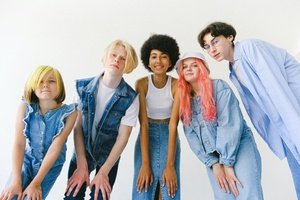
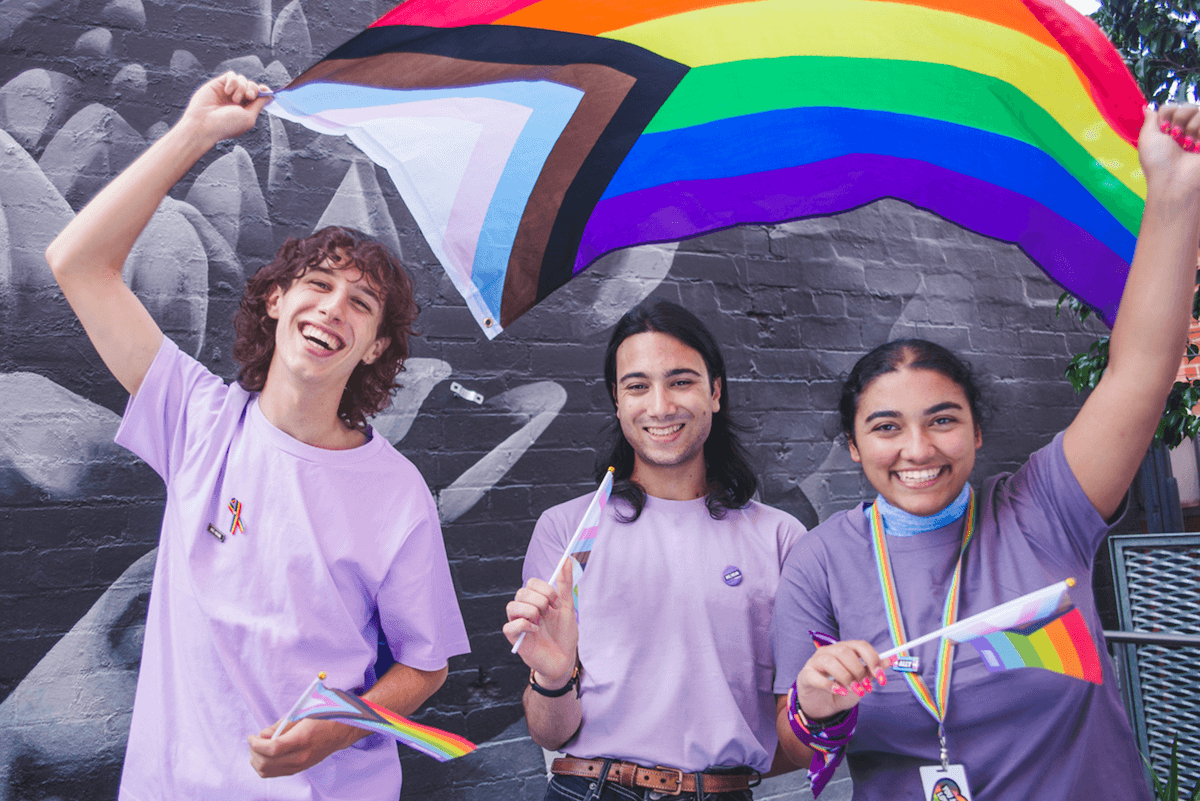
Wear It Purple Day, the last Friday in August each year, encourages people to wear a purple item of clothing to support and celebrate diversity and young people from the LGBTQI community.
The annual event was founded 15 years ago in response to global stories of queer teenagers dying by suicide after experiencing bullying and harassment.
This year’s theme, ‘Bold Voices, Bright Futures’, encourages queer young people and allies to be loud, bold and authentic to themselves.
“When I think about allyship, I think about it needing to be obvious and visible,” Wear It Purple board president Brenna Harding says.
“If you have to guess if someone is an ally, they probably are not doing it boldly or loudly enough.”
Minus 18 have a range of suggestions on their website for how schools can get onboard Wear It Purple Day, with everything from conducting an official rainbow flag raising ceremony to undertaking a fundraiser bake sale, gold coin donation on casual day, an online crowd-raiser, or something completely different.
Mostly they suggest that schools focus on keeping it simple and fun.
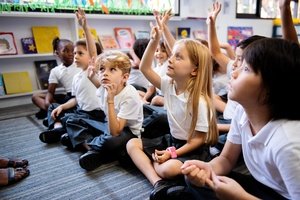
“Celebrating Wear It Purple Day at school is a great way to educate students and staff about LGBTQIA+ identities, and encourage a safe, inclusive and supportive environment at your school,” the website says.
“Whether it’s donating, fundraising, activating virtually or in real life, any action is a positive step towards inclusivity and LGBTQIA+ youth recognition.
“School-based activation is a great step to make young rainbow people feel supported and safe in an environment that they exist in.”
At eight years old, Harding appeared on an episode of Play School with her mothers Vicki and Jackie, and remembers the huge public backlash to a lesbian couple being featured on a children’s program.
“People were saying things like it was ‘sexual’ content on children’s television,” she says.
“My mums, at most, were possibly holding hands in one shot and there was this huge negative reaction to it.”
More than 20 years later, Harding says there had been progress in making Australia safer and more inclusive for LGBTQI people, such as the legalisation of same-sex marriage in 2017.
“A lot has changed in my lifetime, but there is more progress to be made,” she says.
“Wear It Purple started off the back of a string of queer youth suicides and that is something we still see today, and the stats around bullying and violence have not improved in the past 15 years.”
A Danish advertisement for Pride 2025 perfectly illustrates the overwhelming percentage of LGBTQIA+ youth who say just seeing someone wearing rainbow accessories makes them feel safer.
Almost 45 per cent of LGBTQI youth experience high or very high levels of psychological distress and almost half (48 per cent) have seriously considered suicide – more than three times the rate of their heterosexual peers.This is not due to a predisposition to poor mental health within the community but rather stigma, discrimination and a lack of acceptance, particularly from those closest to them.
Eighty-six per cent of LGBTQIA+ youth say just seeing someone wearing rainbow accessories made them feel safer, according to a survey quoted on Minus18.
LGBTQI youth are also facing a halt on gender-affirming care in Queensland and the winding back of trans and gender diverse rights and diversity, equity and inclusion (DEI) efforts globally.
“While there is a lot more visibility and understanding in some places - the number of schools, universities and businesses that are celebrating Wear It Purple has grown hugely - we have a really long way to go, especially with the rise of conservatism,” Harding says.
“Bright futures is exactly what we’re trying to create for LGBTQI youth in all the environments that they inhabit.”
For a host of superb Wear It Purple Day resources, click here.
(with AAP)
Lifeline 13 11 14
beyondblue 1300 22 4636
Fullstop Australia 1800 385 578