


Responding to the Productivity Commission’s inquiry Building a Skilled and Adaptable Workforce, the report from the McKell Institute, titled Freeing Teachers to Teach: Driving Productivity Through Classroom Support, has found that while the Commission has correctly identified time pressures on teachers as needing solutions, its draft recommendations risk narrowing teachers’ roles to delivering pre-packaged lessons, instead of recognising their expertise in designing and adapting learning.
The PC report recommended that the Federal Government should invest in a single online national platform that houses a comprehensive bank of high-quality, curriculum-aligned lesson planning materials.
“Teachers are burning out from administration and compliance, losing millions of hours to tasks better suited to support staff,” McKell Institute Victoria executive director Rebecca Thistleton said in a statement.
“Lesson planning is core to being a teacher. Treating it as ‘administration’ misses the point and risks devaluing the intellectual and creative work they do.”
The PC report conveyed concerns that not all teachers have access to high-quality tools and resources, or know where to find them.
“During consultation, the PC repeatedly heard that the tools teachers have at their disposal depend largely on the jurisdiction or sector they are in,” the report said.
“While some states and territories have developed lesson planning materials and made them available through centralised resource banks, others have not.
“Where they do exist, they can be limited to teachers working within that state or territory.”
The report suggested that without access to high-quality lesson plans, “teachers can spend a considerable amount of time searching for and creating their own materials”.
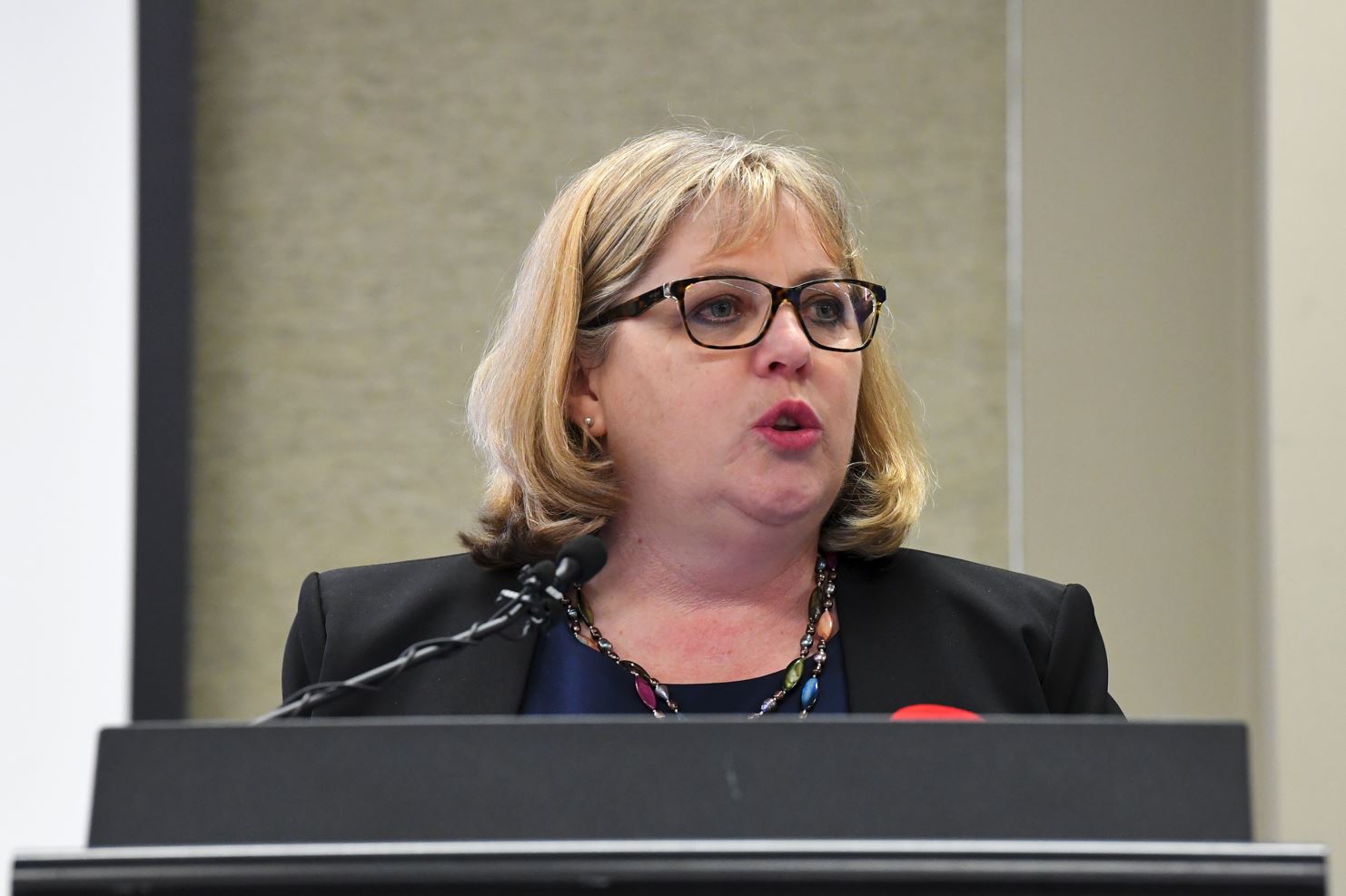
“We cannot let ‘productivity’ become code for deskilling teachers,” AEU president Correna Haythorpe says. “Removing teaching autonomy from lesson planning would see more teachers leave the profession.”
Drawing on Grattan Institute data, it said the typical full-time teacher spends about six hours a week sourcing and creating curriculum materials and some teachers spend considerably longer.
Highly experienced teachers, the report said, have had enough time to learn how to reach all their students, however “not every teacher has a wealth of knowledge and existing materials to draw from”.
“Under-resourced teachers and those new to the workforce often need additional support to develop or source materials for their classes,” it stated.
The PC report said workload pressures can force teachers to sacrifice preparation.
“More than 90 per cent of teachers, and especially those early in their career or under-resourced, have said they do not have enough time to effectively prepare for the classroom,” it said.
“Data suggests these teachers are disproportionately employed in remote or very remote schools and schools with higher proportions of disadvantaged and higher-need student cohorts.”
The AEU said it strongly rejects the Productivity Commission’s attempts to frame lesson planning as “administration”.
The union said it is “particularly concerning”, given this directly contradicts the Productivity Commission’s own 2023 Review of the National School Reform Agreement, which argued for teachers’ administrative burden to be reduced so they could have more time for lesson planning.
“Lesson planning is at the core of the teaching profession. It is intellectual, creative, collaborative, and essential to tailoring teaching and learning for students,” AEU Federal President Correna Haythorpe said.
“Australia is in the midst of a teacher recruitment and retention crisis, driven by escalating workloads, and more than a decade of under funding for public schools. What is needed is investment in better wages and conditions and more resources for public schools.”
The McKell Institute report emphasises that reforms proposed by the Productivity Commission risk reshaping the role of teachers into content deliverers rather than skilled educators, which Haythorpe warns would worsen attrition and demoralise the profession.
“We cannot let ‘productivity’ become code for deskilling teachers,” she said.
“Teachers are highly skilled professionals, not content deliverers. Removing teaching autonomy from lesson planning would see more teachers leave the profession.
“Productivity reforms must reduce red tape, not strip the heart out of teaching. Reducing teaching to the delivery of pre-packaged content risks undermining teacher expertise and narrowing their role.”
The McKell Institute report suggests that redeploying genuine administrative and compliance work away from teachers could free up between 67 million and 106 million hours annually for lesson planning, collaboration, and teaching.
Individually, this means restoring up to 334 hours a year to each teacher for planning/collaboration and improved work/life balance.
It also states that supporting teacher wellbeing, reducing workload pressures, and creating pathways for long-term careers must be government priorities, as they are essential to student success and broader productivity.
The report calls for funding for more administrative and support staff in classrooms so that teachers can focus on teaching, the views of teachers to be included in designing strategies to minimise administration, a national investment strategy to boost support staff in schools and a proactive and research-based policy for edtech and AI as teaching tools.