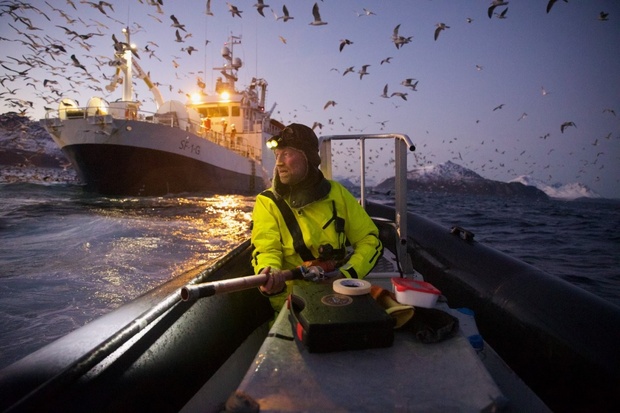
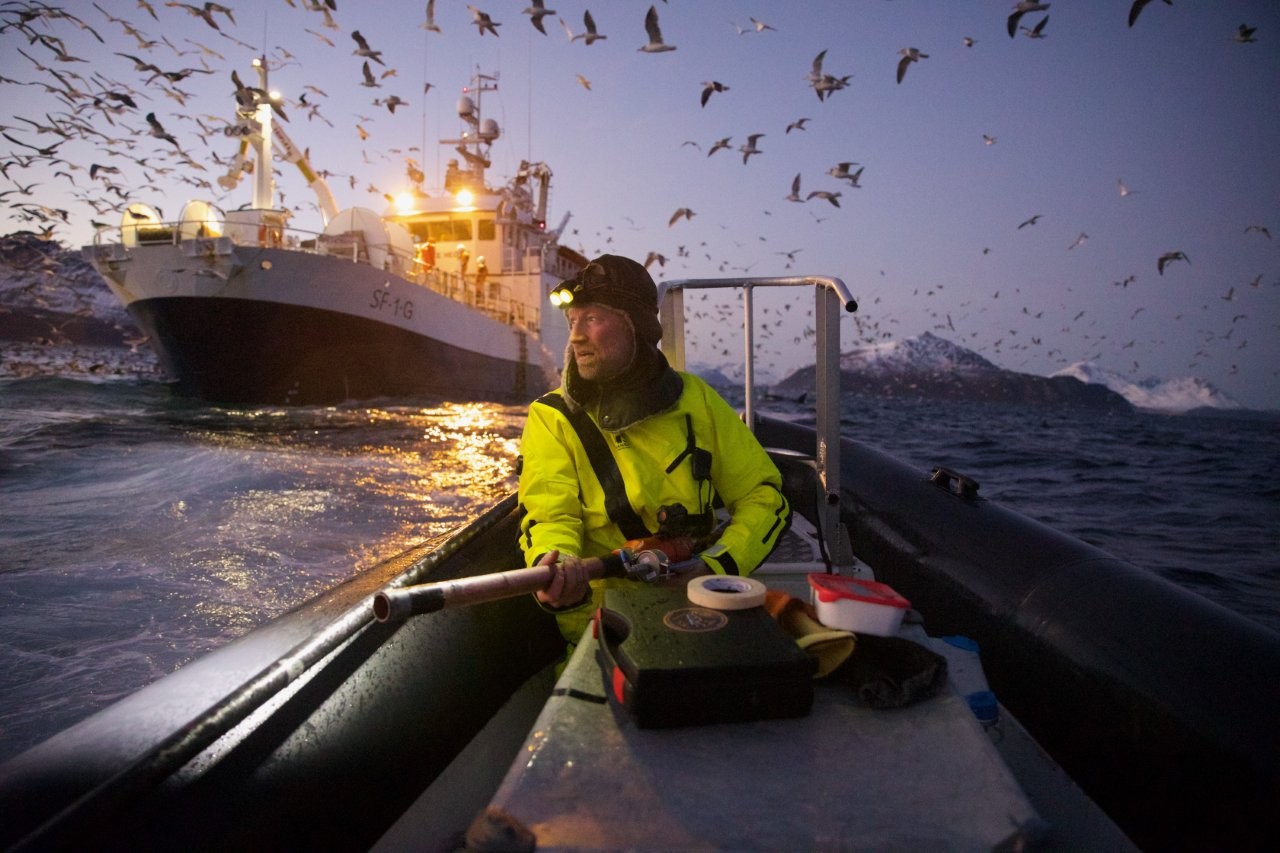
A scientist braving crashing waves to track whales in a northern Norwegian fjord topped the list of winners, while Arctic telescopes, tiny frogs, and mountain fog also featured in the top six images showcasing the fieldwork of scientists.
The Scientist At Work competition, now in its sixth year, invites Nature readers to share photos that showcase the diverse, interesting, challenging, striking and colourful work that scientists do around the world. The winners are selected by a jury of Nature staff.
From over 200 entries this year, six winners were selected.
Vogel's winning entry (above) is of Rikardsen holding an airgun, used to deploy satellite tags that track the movement and behaviour of whales.
“You could smell their breath,” Vogel says.
“And you could hear them before you can see them, which is always quite incredible.”
Another winning photo is of Kate Belleville from the California Department of Fish and Wildlife who is seen holding tiny froglets in California’s Lassen National Forest.
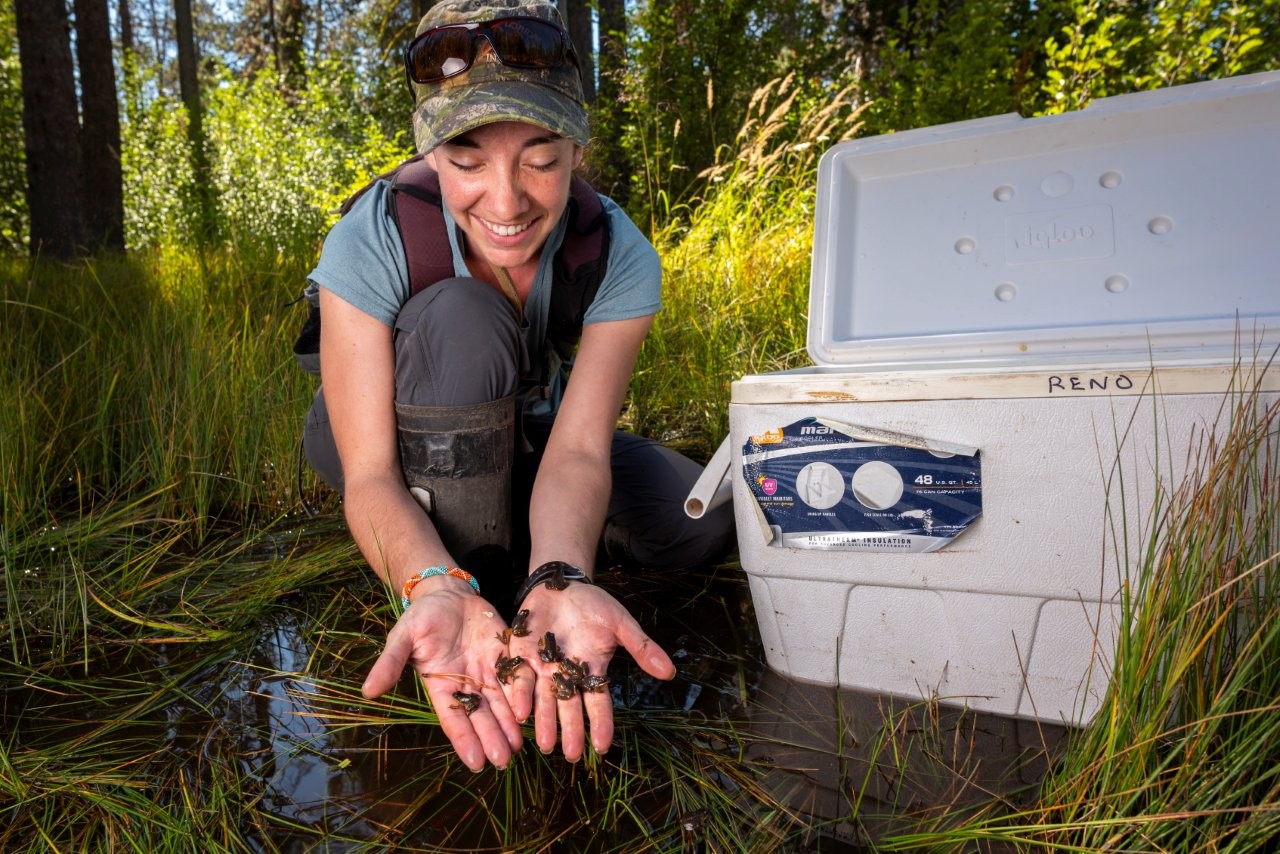
The photo (above) was taken by Ryan Wagner, from Washington State University Vancouver, who also had a winning entry last year, a first for the competition.
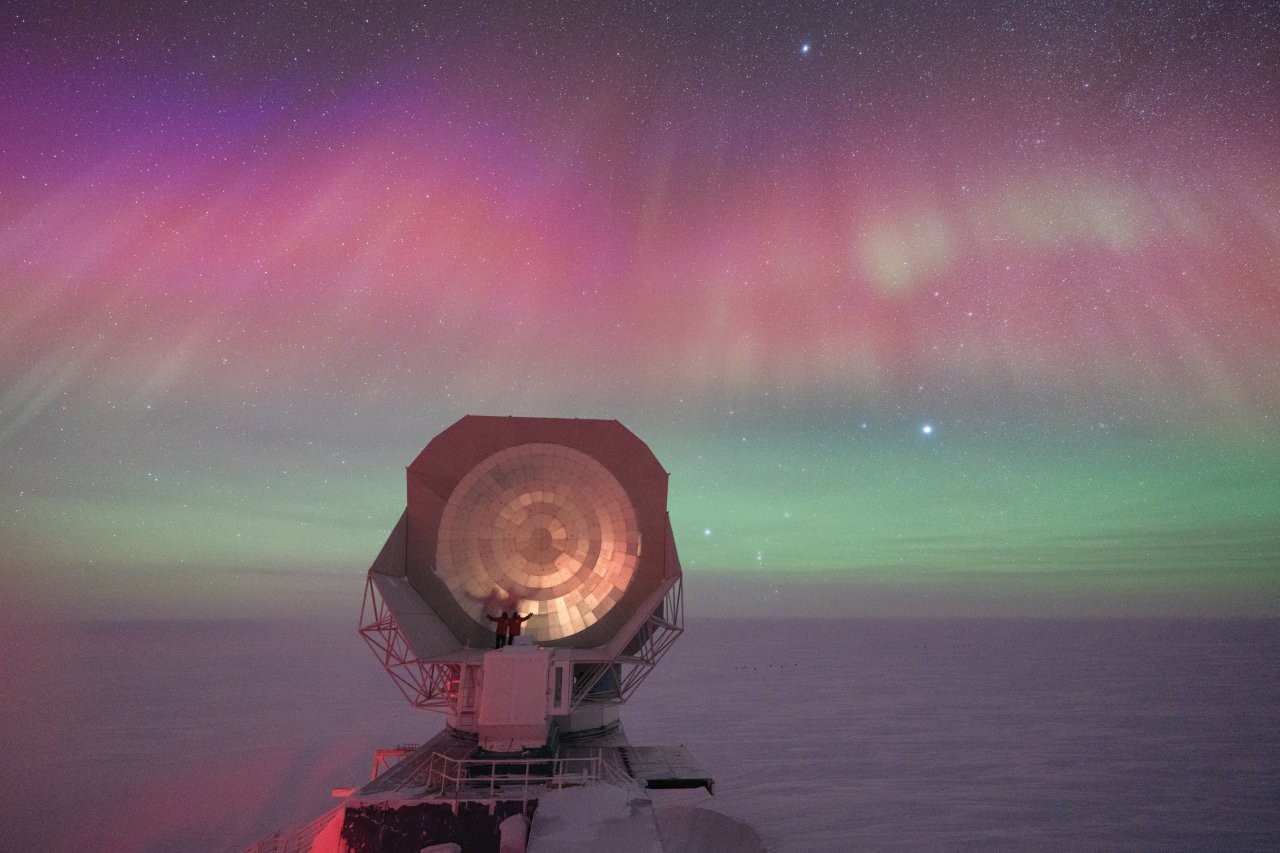
Another winner was an image, above, of the vast South Pole Telescope at the Amundsen–Scott South Pole station, taken during Aman Chokshi’s stay at the research station, lit by an aurora overhead.
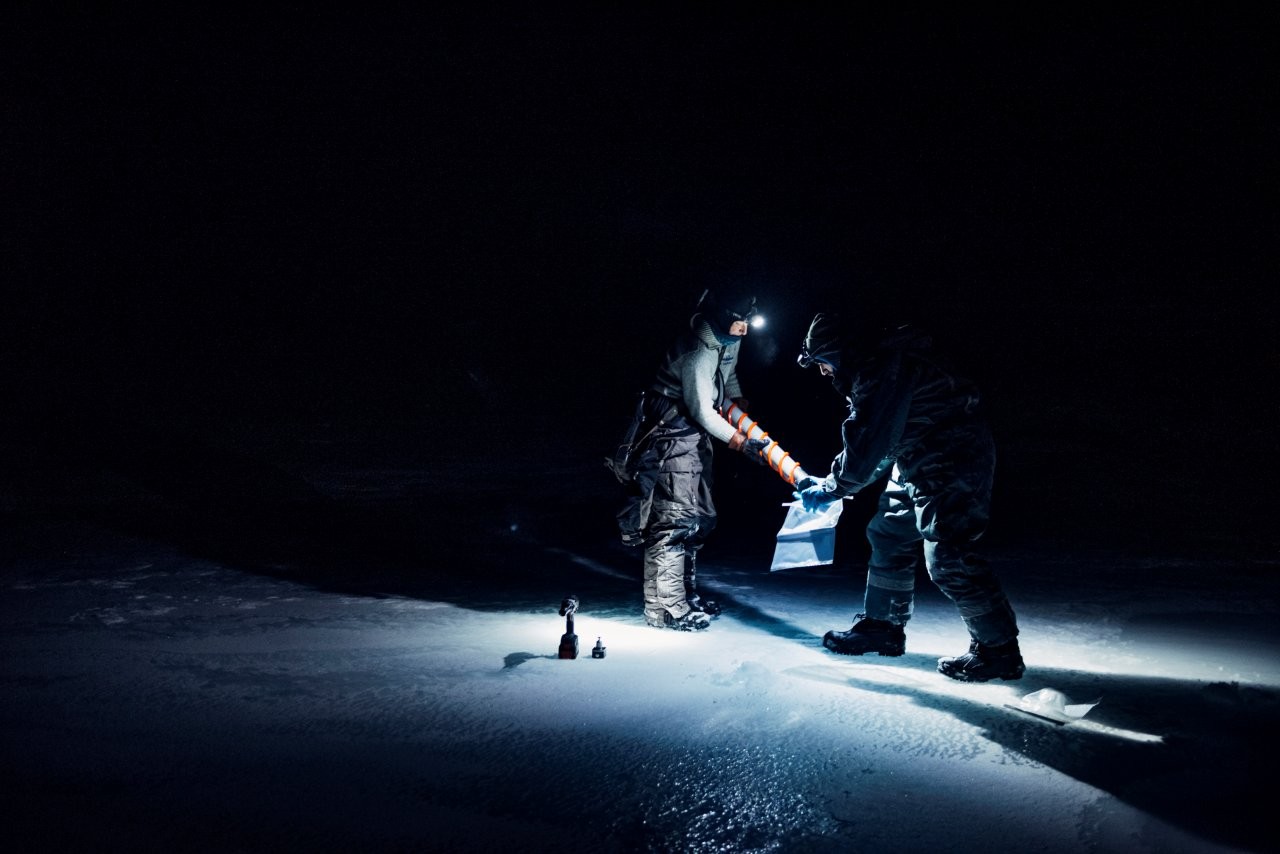
A photo, above, of the boring of an ice core by geobiologist James Bradley and microbiologist Catherine Larose in the Norwegian archipelago of Svalbard, taken by Dagmara Wojtanowicz, was also a favourite for judges.
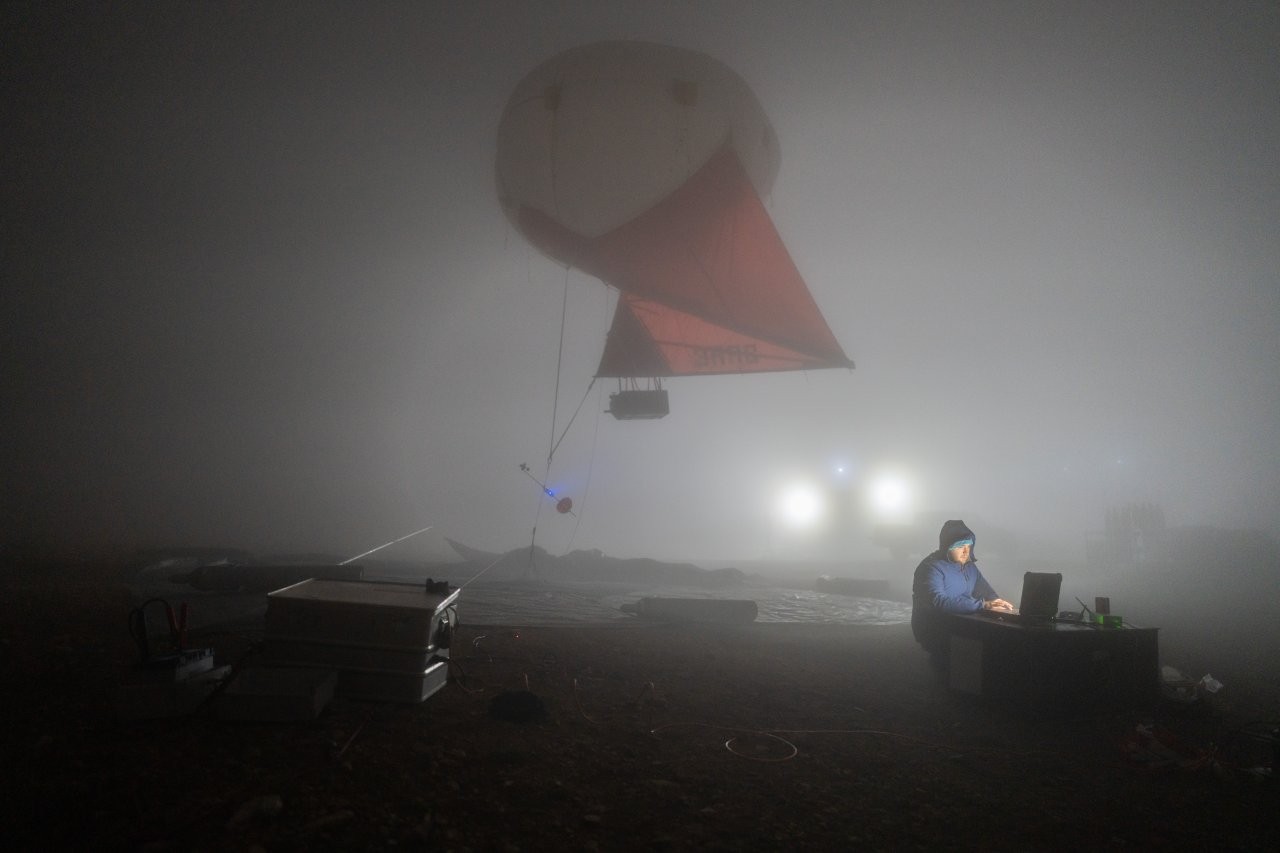
An image, above, captured by Lionel Favre from the Swiss Federal Institute of Technology of his colleague Michael Lonardi with a weather balloon in the fog on Mount Helmos in Greece was amongst the winners.
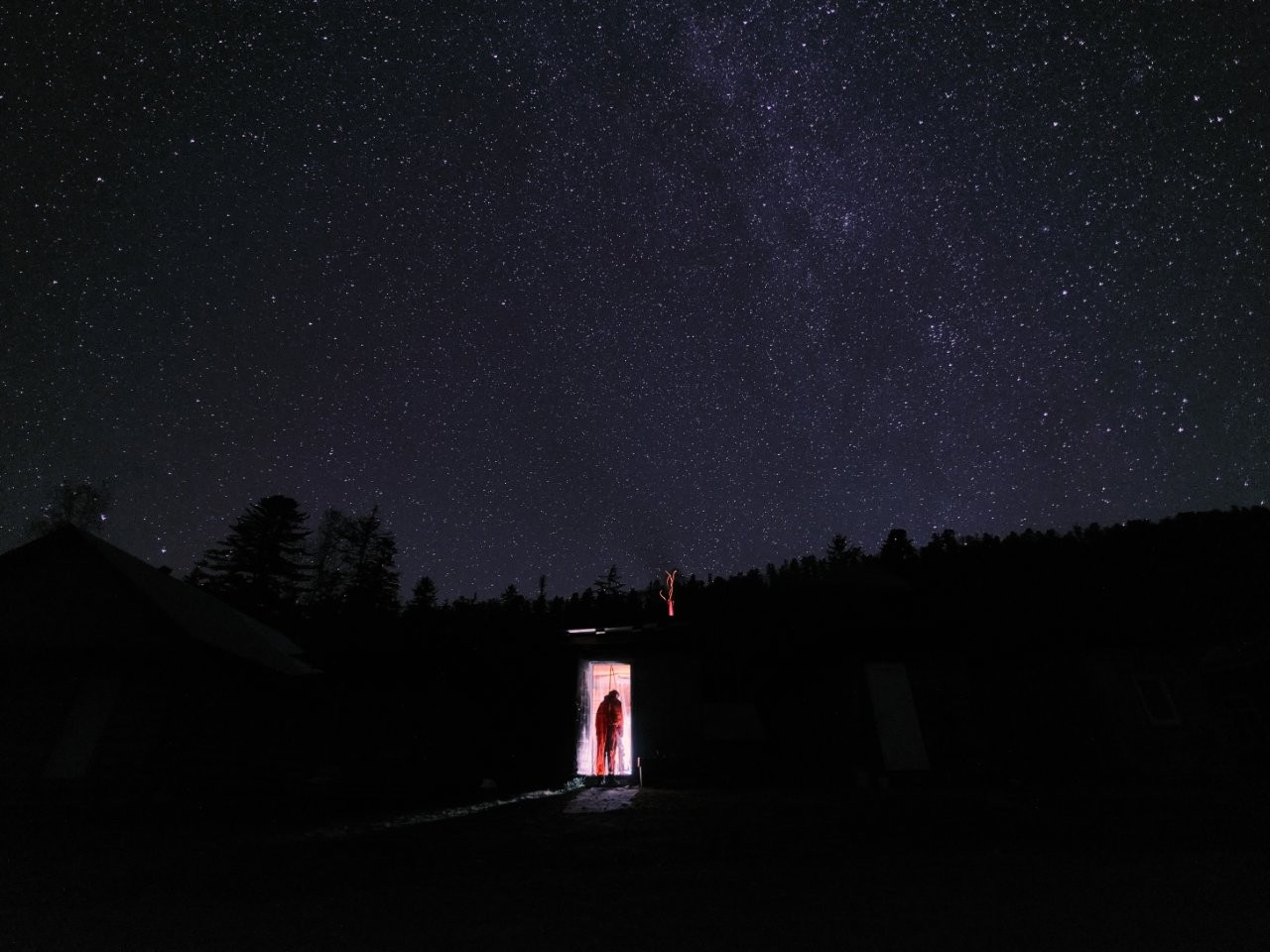
The silhouette of Hao-Cheng Yu, from the China University of Geosciences, entering a cabin set within a dark backdrop and a starlit sky, features in the final winning photo, pictured above.
His colleague Jiayi Wang took the shot and despite the beautiful looking setting, Wang explains that long periods of working in remote locations can sometimes be tedious and might not be for everyone.
“There’s no network there,” he says.
“And the only thing you can do is watch the rocks.”