


Last Monday afternoon a supercell storm hit Brisbane just as thousands of students were winding up at school for the day.
The Bureau of Meteorology (BoM) issued its first severe thunderstorm warning for the city just before 2:30pm, which was promptly upgraded to include destructive winds and giant hail.
By 3:15pm, you could say the perfect storm had arrived.
In Chandler, hailstones, some measuring 14cm, pelted down and more than 150,000 homes lost power across the city.
Yet as research fellow and former school principal Carolyn Wade flags, schools’ response to the critical incident varied markedly.
No message: ad hoc crisis communication
While some went into lockdown, others located nearby released students just as the hail struck. Others opted to open their gates early, only to have students trapped on busses in the wild weather, the educational leadership expert from Griffith University reports.
Teaming up with colleague Dr Danielle Heinrichs Henry, Wade scoured school and community Facebook groups to investigate parents’ take on the situation.
The mixed response was telling, she suggests.
“No message. My child was hit by hail,” one parent wrote in a Facebook group for local families, Wade notes.
Another recalled teachers ushering kids to their cars while lightning pierced the sky above. One parent found their child hiding under a car, soaked through.
A few kilometres away, another school calmly texted parents: children would remain indoors until the storm passed.
The critical incident has revealed “major inconsistencies” in how school leaders across the state interpret severe weather warnings, Wade tells EducationHQ.
“It was a comedy of errors,” she says of the scene.
“In every situation, the schools and school leaders did what they absolutely thought was right and in the best interest of keeping their students safe.
“But these different experiences have, I guess, exposed inconsistencies in how school leaders are left to lead in a crisis… [they] are left to enact these emergency procedures on their own, and without guidance or support.”
Principals shouldn’t have to decipher weather warnings
While no response was necessarily the right one last Monday, it is unfair for school leaders to bear the decision-making responsibility – and the emotional weight that comes with it – in such extreme weather incidents, Wade argues.
Coincidently, the hailstorm raged on the very day new Monash University research warned that Australian principals are now working as first responders, performing police, ambulance and funeral duties, alongside their role in managing multiple stakeholders during critical incidents.
This comes at great personal cost, researchers found.
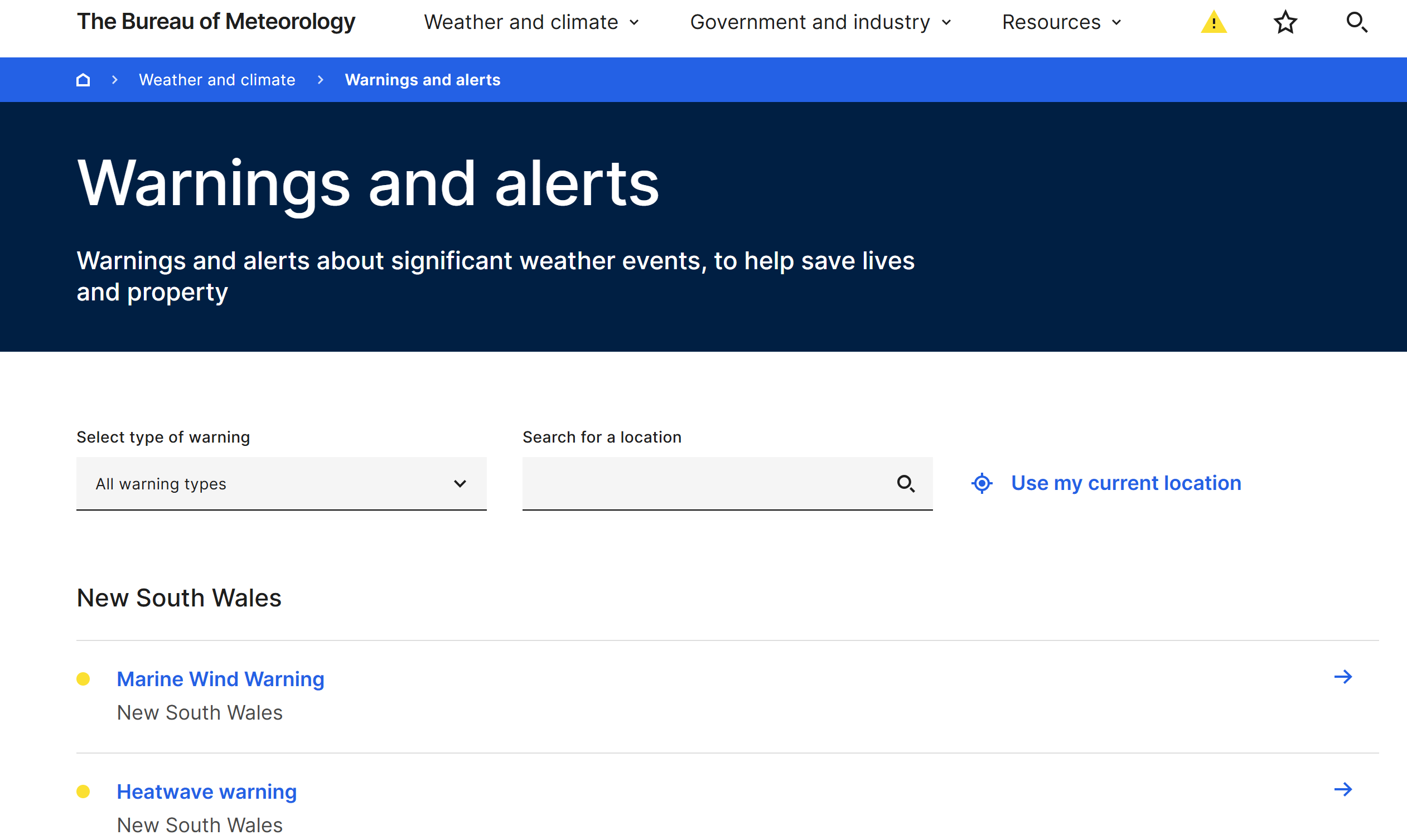
“There’s no support in interpreting and understanding the BoM notification and warning, enacting and minimising the risk, and then navigating the potential fallout or parental complaints,” research fellow Carolyn Wade says.
The four-year investigation has unveiled the true psychological and physical impact endured by those in the top job when critical incidents occur, finding their largely unseen emotional work as first responders has become central to the job.
Wade says what unravelled with the hailstorm last week speaks directly to these findings.
“The three main findings that came about from [the Monash study] was that critical incidents significantly increase stress and cognitive overloads for principals, especially – and this is the case for us last week – when decisions have to be made rapidly and without clear guidance.
“The second main finding is that principals report fear of judgement, fear of legal liability and also media scrutiny, which intensifies the pressure and leads to variations in decision making, which is exactly what we saw play out in Brisbane...”
It’s clear that ad hoc communication channels and patchy system level protocols are exacerbating the risks and the emotional impacts for principals, Wade concludes.
“I want to highlight that in every situation, these school leaders absolutely thought they were doing the right thing – but that [the current] decision making in critical incidents is not only inconsistent, it’s also psychologically costly for the leaders who are forced to make these decisions alone.”
Where’s the systemic support?
As climate extremes intensify and 3pm storm chaos becomes anything but a freak occurrence, school emergency policies need to step up, Wade and Heinrichs Henry say.
“Queensland has experienced four critical incidents this year, one being a cyclone in Term 1, one being a heat wave recently, as well as the hailstorm, not to mention the asbestos sand-related incident that we had as well,” Wade says.
“…but in a localised storm or a hailstorm, there are no communications or processes for school leaders to follow based on the Department of Education’s policy, whereas with all of the other critical incidents there was extensive support, there was copy-paste communication for principals to use to communicate with their school communities…”
The pair say the system must shift toward centralised, ‘climate-resilient’ planning rather than placing the unreasonable onus on individual schools to navigate localised weather events.
“This includes establishing clear thresholds for lockdowns based on BoM alerts, consistent communication protocols across all schools, and providing principals with weather risk training and support infrastructure.
“Other regions, such as North Queensland, apply system-wide closures during cyclones. Similar clarity should apply to severe thunderstorms and hail,” Wade asserts.
There’s too much at stake here, she adds.
“There’s no support in interpreting and understanding the BoM notification and warning, enacting and minimising the risk, and then navigating the potential fallout or parental complaints, or even injuries that may have occurred as a result of their approach to their emergency processes.”
The researchers are well aware their call sits at the grassroots level.
“We’re really just considering, ‘look, what do other schools and other systems and states do?’.
“Because although, yes, we’re experiencing extreme weather events in south-east Queensland, I’m sure this is going to be happening across the country soonish, if not already.”