

After a successful launch last year with its simultaneous national anti-bullying lesson, Kids Helpline @ School has expanded the event this year to include secondary school students from every corner of the country.
What started as an ambitious project for 26,000 primary school students has grown 15-fold to include a record-breaking 294,000+ students this year.
“One of the things that our Kids Helpline @ School program does is we connect in classrooms every single day and run virtual live sessions where we teach students about mental health and wellbeing in the early intervention space,” program manager Hannah Wilson tells EducationHQ.
“And we thought, ‘let’s see if we can do that on a grand scale and open it up’ – so that’s how the event birthed.
“Our whole aim is to normalise talking about mental health and wellbeing, letting students know that it’s OK to talk about it when they are facing issues such as bullying and that there are people out there that care and want to be able to help, but also they have the tools and the ability to make a difference themselves.”
Developed by qualified Kids Helpline counsellors, the event features two 20-minute virtual lessons: one designed for primary and one for secondary students.
“They both run on very similar topics and themes, but they are tailored and differentiated for the different developmental stages and age groups,” Wilson, who’s been at Kids Helpline for seven years and started out as a counsellor answering phone calls.
The content is curriculum-aligned, developmentally appropriate, engaging, and packed with expert tips, tools, and real-world insights.
Importantly, every effort has been made to ensure the lesson requires minimal input from teachers.
“It’s a live link which teachers can click on and they can live stream it directly into their classroom,” Wilson says.
“All they need to do is put it up on the board and it’s done.

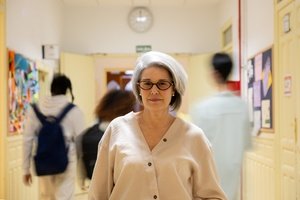
Hannah Wilson says to compliment the free live session, teachers also have access to exclusive anti-bullying resources that they can use to go more deeply and independently into the lesson and to build upon it.
“They also have the option of, if they’ve signed up and registered for the event, they will also receive, once the lesson finishes, the recording of the live session.”
This way, if the live event happens to be over a difficult period or during lunchtime (because of timezone differences), teachers can show it during the rest of the week, or they can always show the recording again and revisit it and spend more time later in the year deeply unpacking it, Wilson explains.
“Additionally, with the session, teachers are also getting exclusive anti-bullying resources that they can then use to be able to go more deeply independently into the lesson and to build upon it.”
The free virtual education program, delivered by youth charity organisation yourtown, has struck a chord with young people, according to CEO Tracy Adams, who says it has been encouraging and powerful to see so many children, young people, and schools leaning into this important issue.
“It tells us loud and clear that students want to feel safe, respected, and included, and they want to be part of the solution.” Adams says.
In 2024, Kids Helpline recorded more than 3500 counselling sessions directly related to bullying, and more than 200,000 young people accessed bullying-related content online. Of concern was the level of distress young people were presenting with.
Wilson says it’s difficult to say whether inroads are being made into lessening cyberbullying and other forms of bullying or whether things are worsening.
“… we have had a lot more teachers share with us that they’re noticing cyberbullying concerns especially in the younger age groups as well online,” Wilson offers.
“It is something that teachers say has always been there and they have continually booked with us for cyberbullying, but what we’re striving for is holistic education – so that’s why in our lesson we’re focusing on all aspects and how to approach bullying, whether it’s face to face or online.”
Wilson says it’s never too early or too late to equip young people with the skills to navigate bullying that they may face within their lives, at school or online.
“We believe that it’s vital for young people to be equipped with what to do, what to look out for and what action they can take to put a stop to bullying.”
“We understand that the responsibility isn’t just on students and that’s why we also have developed a parent and teacher resource which they’re able to access on our website and they’ll get sent as part of the anti-bullying lesson, which they’re welcome to watch themselves to be able to provide that holistic support for students.”
This year’s theme for Bullying No Way Week is ‘Be Bold. Be Kind. Speak Up.’
The theme supports schools to spread the word that everyone has a role in preventing bullying.
Each year, thousands of schools join in to promote inclusion, respect and belonging. And it’s not just schools getting involved. Individuals, early childhood providers, community groups and sports organisations also play important roles in the lives of young people – helping create places where they feel included and belong.
Students and school staff are encouraged to speak up and foster safe spaces where everyone feels supported, respected and all voices are heard and valued.
In school communities, speaking up against bullying is a powerful action against bullying.
For more information about Kids Helpline @ School’s largest-ever national anti-bullying lesson, click here.
For more about Bullying No Way Week, click here.