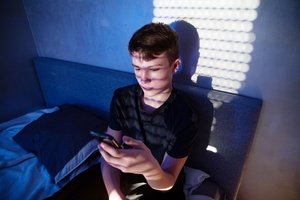


At the time Webb had taken on a pastoral care leadership role on top of her classroom teaching duties, and her workload – and the emotional toll of it all – was, upon reflection, ’excessive’.
Term breaks provided just a brief reprieve from an escalating and repeated show of red flags, Webb explains.
“Even though during the school holidays I would feel somewhat recovered, the symptoms inevitably returned within a couple of weeks of the new term.
“And that’s because the stresses hadn’t changed; the workload was still there, the complexities in behaviour in the classroom was still there, and because I hadn’t changed the way that I was working, that cycle just kept repeating,” she tells EducationHQ.
In 2016, Webb was behind the wheel on a motorway driving her daughter to Saturday sport when severe paralysis stuck.
It was a panic attack, although Webb didn’t know it at the time.
“My body literally froze. I couldn’t remember where I was going. I couldn’t see properly, I couldn’t hear properly. It took all of my concentration, really, just to keep the car on the road.
“I look back now and I shudder at that – how easily that episode could have ended badly,” Webb has shared previously.
At this point 26 years into her teaching career, the next four saw Webb’s brain hijacked by a clawing web of paranoias and compulsive, intrusive thoughts as burnout and unbearable brain fog set in.
It took a year off, therapy, and an overhaul of her approach to work, for Webb to find a sweet, sustainable way of continuing in the profession.
Webb now shares the suite of practical strategies she draws upon with preservice teachers and in PD workshops for educators.
The goal is to show how the job of teaching can be both doable and sustainable with the right tools and approaches at hand.
“One of the observations that’s been made is that we have made the mistake, as a profession, of confusing personal self-care strategies with professional self-care strategies,” Webb says.
“… Dr Saul Karnovsky (from Curtin University) has a lot to say on this issue, and one of the things that he says, that I think really makes sense, is that personal self-care and professional self-care are very different and they have very distinct purposes.
“And we’ve made the mistake of blending them, which has blurred the issue, and in many ways has failed to address workplace realities.”
While personal self-care might encompass the usual foundational suspects such as solid nutrition, exercise, mindfulness exercises, perhaps a five-minute ‘trauma release’ breathing session sourced online in a particularly desperate moment, Webb says professional self-care strategies are those that can be applied on the ground in ‘high stress, fast-paced environments’ to reduce burnout risk factors.
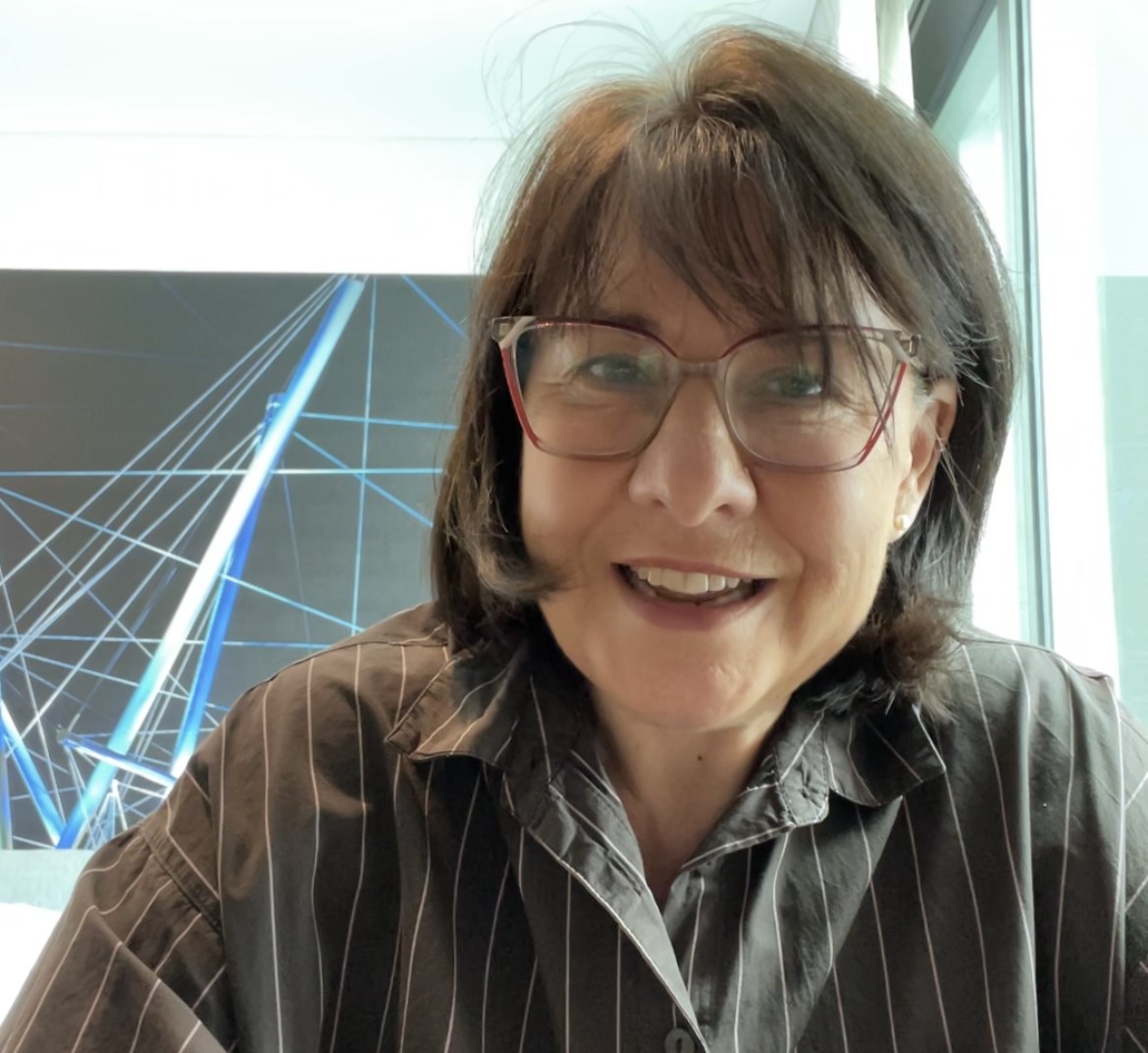
Sue Webb says beyond self-care strateges, there are practical things at work teachers can do to help avoid burnout.
Last month a UNSW Sydney study involving nearly 500 Australian primary and secondary teachers found the profession had rates of depression, anxiety and stress that were three times the national norm.
Nine out of 10 were experiencing severe stress, and nearly 70 per cent reported their workload was unmanageable.
Webb was largely unsurprised by the ‘sobering’ data, and says these alarming mental health trends have also been flagged in prior research.
A ‘Silent Cost’ report this year on secondary trauma and its impact on teachers and school leaders across the country found three-quarters of educators scored in the medium to high range for Secondary Traumatic Stress (STS).
As Webb points out, STS for educators was found to be:
- 21 per cent higher than psychologists
- 23 per cent higher than mental health nurses
- 34 per cent higher than paramedics
“Secondary Trauma alone is fast becoming a key reason why educators are leaving the profession and action to address this is required,” the report warns.
“In our study, 37.3 per cent of educators indicated that they are likely or extremely likely to leave the role because of Secondary Trauma, with a further 18 per cent undecided on whether they will stay,” the report warns.
Another finding stood out to Webb.
“They also make the point that about 80 per cent of teachers replay negative events in their minds after leaving work.
“So that cycle of rumination and the toll it takes on emotional health will be feeding into some of the results and some of the findings that have come out [in this study],” she suggests.
Webb says teachers are now acting as an emotional buffer for their students.
“I think classroom teachers tend to be removed from the centre of control or decision-making in schools, and yet it’s our classroom teachers who are closest to dysregulated, aggressive, sometimes threatening behaviour which is becoming more sexualised as kids are accessing pornography,” she reflects.
“I know they’re dealing with things like suicidal ideation, gaming and screen addictions, children with fairly significant trauma backgrounds – and those children often present in a heightened emotional state.”
It falls on teachers to absorb the ‘emotional fallout’ from this scene, Webb reiterates.
“I think it’s important for us to understand that this is now the norm not the exception in our classrooms.”
Masking is a huge issue here, too, the teacher says.
“Emotional suppression, which was one of the (risk) factors for me, [can manifest] because we’re working with children every day, we’re continually suppressing our emotions and masking the true impact that some of these behaviours are having on us.”
But while internalising and pushing away feelings of distress might serve teachers in the short-term, the overall outcome is usually not a good one, Webb warns.
”…they just push them aside, they get on with teaching their next class, where, by the way, they’re likely to encounter more of the same kind of behaviours.
“Over time it’s that cumulative effect of emotional suppression or masking that leads to a build-up of psychological stress.”
The issue of teacher burnout is not one just for educators to wrestle with, Webb argues.
“I think this is a conversation as much for parents as it is for educators, because our children are spending six hours a day with teachers who are experiencing the kind of mental health issues that are named in the [UNSW Sydney report]…
“What we know is that when there’s a lot of stress in the family home, we know that children are impacted by that stress, emotionally, behaviourally, psychologically, and we shouldn’t assume that it’s any different in the classroom.”