
Data from the Department of Education obtained by the Opposition confirms, it said, that more than 1100 vacancies within Victorian schools, including more than 900 teachers and education support class staff, more than 50 learning specialists, and 44 principals and assistant principals.
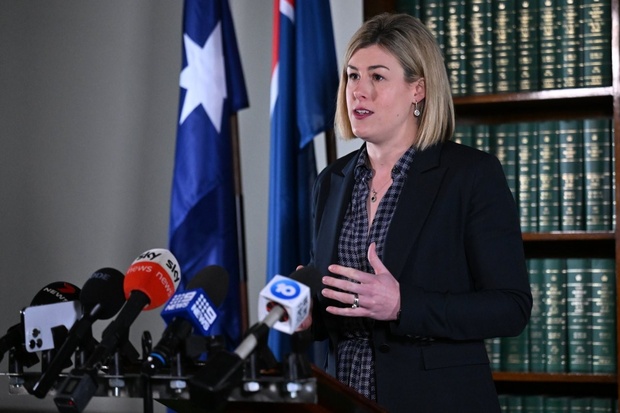
Shadow Minister for Education, Jess Wilson, said despite the Government claiming to have spent $1.8 billion of taxpayer dollars since 2019 on teacher workforce initiatives, teacher vacancies remain persistently high, as more than one in four registered teachers are not working in the sector.
“With more than 1100 teacher vacancies across the state today, Labor’s failure to support staff in the classroom has resulted in a teacher shortage crisis that, even after a claimed $1.8 billion has been spent on workforce initiatives, has no end in sight,” Wilson said.
“The consequences of Labor’s teacher shortage crisis are that Victorian students are being denied the education they need and deserve, with students being forced into double-up classrooms or sent home to do private study because they don’t have a teacher.”
In mid-December, Deputy Premier and Minister for Education Ben Carroll and Minister for Children Lizzie Blandthorn, released the Victorian Teacher Workforce Snapshot for 2023, formerly known as the Teacher Supply and Demand Report, which showed, they said, that the outlook for the supply of teachers in the state over the coming years “has improved”.
The Government initiatives included secondary teaching scholarships, paid placements for pre-service teachers, employment-based teaching degree programs for undergraduates, targeted financial incentives for hard-to-staff roles and the expansion of supports for early career teachers.
There had been, it said, a 23 per cent increase in student teachers enrolling in secondary undergraduate education courses through VTAC compared to 2023, thanks to its ambitious scholarship scheme.
Carroll said at the time that Victoria was “home to the most talented teachers in the nation and only Labor Governments back them with the resources they need to do an excellent job”.
“I want more Victorians to pursue a career in education which is why we’re backing them ... and this report shows our investment is paying off,” Carroll said.
“Teachers are the bedrock of our education system. This report provides a detailed look at our workforce, allowing us to continue to drive the growth of our top-class teaching workforce.”
Wilson’s criticisms of the Government come on top of data showing Victoria’s teacher salaries compare poorly with those in other states and territories.
Australian Education Union Victorian Branch President Justin Mullaly said there’s a ‘huge disparity’.
“In 2026, an experienced Victorian teacher will be paid $118,063 compared to $133,422 for an experienced teacher in NSW,” Mullaly said.
“At the entry level, a Victorian teacher will be paid $79,589 compared to $92,882 in NSW.
“Only three in ten Victorian public school staff intend to stay working in public schools until retirement, and nearly 40 per cent are uncertain about continuing to work in Victorian public schools.”
The AEU is pushing for a range of outcomes in the next Victorian Government Schools Agreement (VGSA), including a 35 per cent pay increase for all public school staff over the life of the agreement and smaller class sizes “so every student can have greater individual attention and support”.
It also wants increased allied health and classroom support for students, more modern and flexible working arrangements, and significant improvements to working conditions, including workload reductions and less unnecessary administration requirements.
Wilson said the state’s students are being denied a quality education.
“Labor claims Victoria is the ‘Education State’ but with the lowest funded public schools per student, the lowest paid teachers in the country and learning outcomes at record lows, Victoria is anything but.
“With the Government spending a staggering $755,000 a day on so-called teacher workforce initiatives, it’s clear Labor cannot manage money, cannot manage our education system, and Victorians are paying the price.”
In March last year the Government’s previous 2022 Teacher Supply and Demand Report, confirmed a projected shortfall of more than 5000 teachers by 2028.
This shortage, the report outlined, was particularly acute in secondary schools, where demand was expected to outpace supply, and is affecting the quality of education and student outcomes.
The Victorian Teacher Workforce Snapshot for 2023 data, the Government said, showed that early childhood and primary school settings are forecast to meet demand by 2029 and there have been positive trends in high school student numbers.