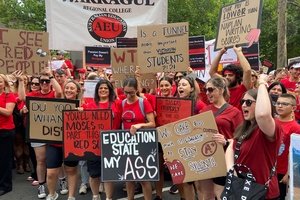

That’s according to equity and inclusion expert Pearl Subban, an educator and researcher who’s just presented a workshop at the 2025 Victorian Government Schools Principals Conference on practical tools school leaders can engage to effectively handle discrimination incidents, promote equity, and sustain an inclusive school culture that respects and values diversity.
Much of the Monash University academic’s work focuses on fostering inclusive learning environments, supporting educators in anti-racist practices, and ensuring that all students feel valued and empowered.
She tells EducationHQ there are three things we’re getting right at the moment.
“There are dominant studies that have been done by ANU’s Professor Naomi Priest, on the recognition of racial diversity in Australia, and [she has found] that we are increasingly recognising that there’s racial diversity in student populations, which is excellent,” Subban says.
This, she says, has prompted the anti-racism policy that has just been legislated by the Victorian Government, which supports government schools to strengthen their culture and practice to prevent and address racism, religious intolerance and racial and religious vilification.
“The second, which is excellent as well, is a stronger commitment to wellbeing on the part of students and teachers of colour, and there’s a great deal more focus on student voice, which is also very, very helpful,” Subban explains.
“Thirdly, there’s a very strong move towards inclusive curriculum, where there’s stronger awareness of culture, of race, of language, and I think our pedagogical shift, even at my university, has now taken that into account, in terms of teacher training, in-service provision of professional development for school teachers, and so on.”
A work in progress
But while it’s encouraging progress, there’s no time to rest on our laurels.
“Some things that we still need to work on, which the new policy would probably address quite effectively, include a lack of racial literacy amongst staff,” Subban suggests.
“So many staff don’t know, and we talked about this at the conference, how racism shows up beyond that in-your-face, overt racism.
“Remember, racism is insidious, it’s in everything that we do and unless it comes confrontingly ... people are not willing to acknowledge things like microaggressions and other forms of racism that seem to permeate our workplaces.”
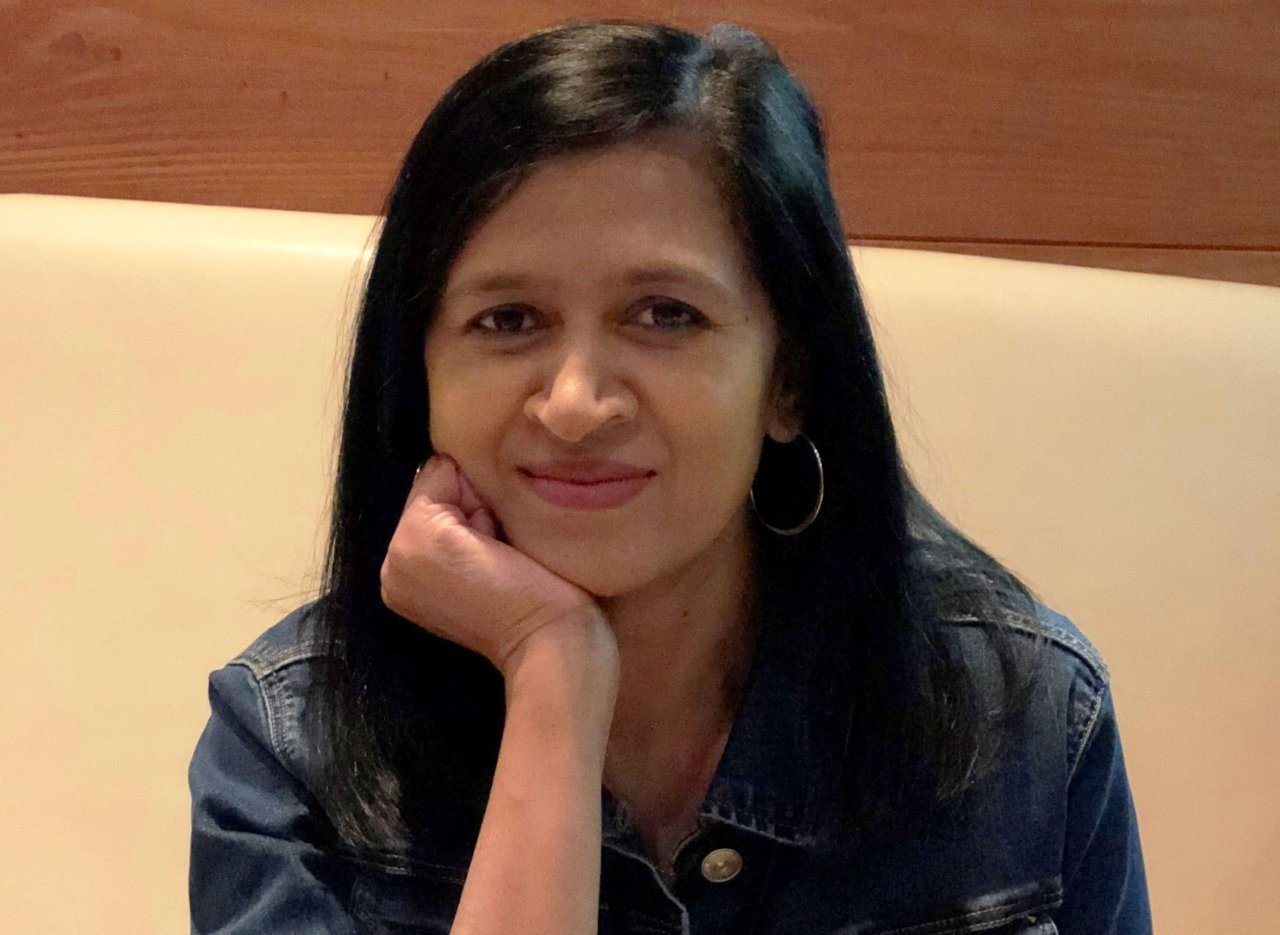
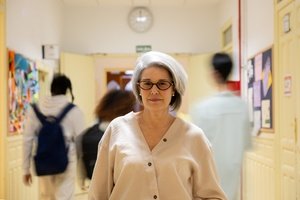
“[We need to] be consistent in professional development and professional learning packages – unpack bias, unpack privilege and equip staff to identify microaggressions when it happens,” Dr Subban, pictured above, says.
At the conference Subban unsettled some attendees by suggesting that as a school sector, we need to move beyond performative inclusive days like Harmony Day.
“We do have a policy shift that’s focusing more on the active, responsive, proactive ideas and I think that’s now going to promote support for teachers and students of colour who navigate these racialised experiences,” she says.
“We don’t want a culture of silence, where people who are in those spaces and feel marginalised are not going to have any support. So I think in terms of racial literacy, we need to work a bit more on that.”
An unhelpful global climate
US President Donald Trump’s drive to wipe out diversity, equity and inclusion programs in the United States is permeating the global context, with populist right-wing governments enjoying a surge in popularity and success, and many countries looking more inwardly with anti-immigration policies and racist rhetoric.
Subban acknowledges feeling discouraged and “a bit demoralised” sometimes by the global climate.
“We’ve been working on this for a long time, but we [as a society] probably need to know that it’s ongoing - you don’t do all the work and then say ‘ohh, it’s fixed’.
“It’s something that should be consistent in professional development and professional learning packages - unpack bias, unpack privilege, equip staff to identify microaggressions when it happens. Anything that’s exclusionary should be weeded out.”
Subban suggests principals have to be able to have those conversations, because if we shut down conversations about race and racism, we’re probably not helping those people who are experiencing exclusion.
One of the principals at the conference queried Subban on why she doesn’t believe in so-called ‘colour blindness’, the racial ideology that posits the best way to end discrimination is by treating individuals as equally as possible, without regard to race, culture, or ethnicity.
“They said, ‘I didn’t know that colour blindness was a bad thing’.
“I think the minute someone says ‘I’m colour blind - I don’t see colour’, it is such a dangerous thing to say, because you’re actually not acknowledging the challenges faced by people of colour.
In some respects, Subban acknowledges, it’s aligned very strongly with Australia’s embracing of egalitarianism.
“… which is wonderful, but the thing is, in that space, we’re not really thinking ‘who is being underrepresented and who is overrepresented?’“ she explains.
“I think, colour blindness is dangerous. I just think it’s just denying and balancing all the experiences that people of colour have, in terms of discrimination.”
An integral part of school improvement
Subban says school leaders have to review what’s happening in their schools, and whether inclusion is part of school improvement plans or if it’s contributing to wellbeing and diversity.
“That’s what I wanted principals to take away – that they can actually do it at their local level,” Subban shares.
“Include voices. We talked about families coming in. I’m not knocking Harmony Days, they have a place, but I think you’ve got to value that beyond just saying ‘oh, we’re multicultural’, because multicultural and multi-racial are very different things and to conflate the terms also is not good.
“We want to be very proactive, we want to be able to ensure that students and staff of colour are feeling included, feeling a sense of belonging and their wellbeing is not relegated simply because of their colour difference, essentially.”
“It’s about promoting racial literacy through classroom conversations, checking the policies, and through practice – including other voices, community knowledge and wisdom, challenging the dominating discourse that centres whiteness,” Dr Subban says.
As mentioned, Subban’s session at the principals conference aimed to equip school leaders with practical tools to promote equity and sustain an inclusive school culture.
“Along with school policy, we also looked at pedagogy, because in every teaching method and in every classroom there’s no such thing as racial neutrality.
“Even if the teacher and if you look at the ABS statistics, the average teacher in Victoria is 55, white, female, middle class, so we’re looking at people who won’t have grown up with racism, so they’re probably going to have to do a bit of relearning or unlearning – and schools can support that by creating spaces for congregation around race.
“It’s promoting racial literacy through classroom conversations, checking the policies, and thirdly through practice – including other voices, community knowledge and wisdom, challenging the dominating discourse that centres whiteness.
Consistently revisiting and reinforcing a key
All of this must have been done before, Subban shares, but because it hasn’t been consistently revisited, it’s allowed for a form of marginalisation to happen.
“… and, so regular audits and evaluations of everything that we do, including uniform, for example, or even a disciplinary record, which we mentioned, is probably something that can be done within schools.”
Race has to be mentioned in a school philosophy, Subban contends.
“For example, at Monash, not to say we’re gold standard, but we have the term ‘racism – it stops with me’ because we’re not letting it go any further and that philosophy has to be brokered to something that I believe as part of my daily life.
“So in the staffroom, what are the conversations around, ‘is it that `students of colour are constantly getting into trouble and are being suspended, especially that kind of thing, or is it that we are being a little more generous, sensitive, and aware of what we say and how we actually execute.”
In terms of ITE, can we be preparing our teachers more thoroughly, and ensuring they hit the ground running?
“We could and we are,” Subban says.
“Our undergraduate ITE course has two units that reflect on student diversity, and racism of course is embedded into one of them.
“What is happening beyond that though is that it’s part of other forms of diversity, so you’ve got other diversity markers like disability, gender, and race coming into that, and then you’re looking at social economic status.
“So it’s just seen as one of the forms of othering, so it’s not a leading element, and maybe we need to foreground that a little more, because it’s impacting wellbeing, it’s impacting belonging.”
Representation, Subban suggests, is a powerful ally.
“One of the principals stayed behind to speak to me afterwards, and I was saying, just invite a teacher of colour to lead some form of professional learning on racial equity at your school.
“You’ve got a few, so ask them to talk about lived experience in the staff in the school.