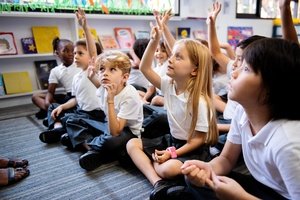
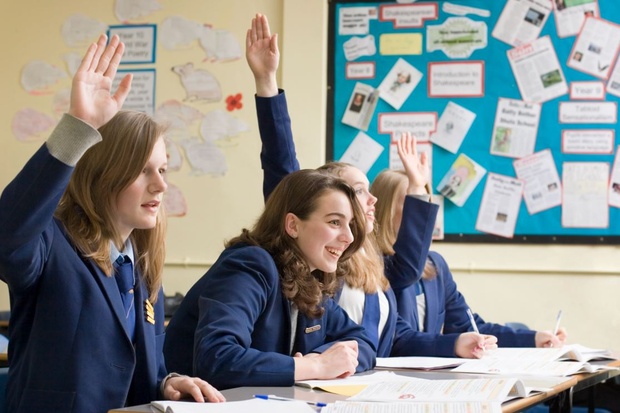

In the worst result on record since ACARA began testing in 2004, 2024 test results reveal just 28 per cent of Year 10 students (compared to 38 per cent in 2019) and 43 per cent of Year 6 students (compared to 53 per cent in 2019) are proficient in civics.
Despite this, students here continue to value the importance of learning about the nation’s history and civic institutions, the report found.
The National Assessment Program sample Civics and Citizenship (NAP–CC) Report 2024 has also revealed that Year 6 and 10 students have a high degree of trust in civic institutions, but considerably less trust in the media or social media.
Students have also expressed concerns about a range of issues affecting Australia, including pollution, climate change, crime and racism.
The Coalition has used the report to slam what it calls the Albanese Government’s “head in the sand approach to civics education”, with Shadow Education Minister Senator Sarah Henderson calling the NAP–CC Report “another example of how our education system is failing young Australians” under Labor.
Henderson said the report follows the latest Lowy Institute survey which found that 36 per cent of young people (aged 18-29) do not believe democracy is the best form of government or are indifferent to it.
“We need a knowledge-rich curriculum which prioritises literacy and numeracy and other fundamentals such as a deeper knowledge of civics and citizenship,” she said.
An inquiry by the Joint Standing Committee on Electoral Matters into civics education recommended last month that a mandatory civics curriculum be included as part of the Australian curriculum.
“Teachers must have the training and curriculum resources to ensure students learn the value of our democracy,” Henderson said.
”Young Australians must understand the democratic principles which underpin our nation which is why civics education is so important.”
In the NAP–CC Report, Year 6 and Year 10 students expressed concerns about issues including pollution, climate change, crime and racism, however concern about water shortages was far less compared to the previous report.
Participation in several civics and citizenship activities at school decreased between 2019 and 2024, particularly at the Year 10 level, with the largest decline observed in excursions to parliaments or law courts.
ACARA CEO Stephen Gniel said the NAP Civics and Citizenship results highlight how teachers and educators require support and must be provided with high-quality training and resources to help them effectively deliver engaging civics and citizenship education in classrooms across the country.
“Encouragingly, this latest report shows that most students rate citizenship behaviours, such as learning about Australia’s history, as important,” Gniel said.
“Therefore, it is vital that all young Australians get a strong grounding with civics education to feel engaged with social and political issues, so that they can make a valuable contribution as society’s future stewards.”
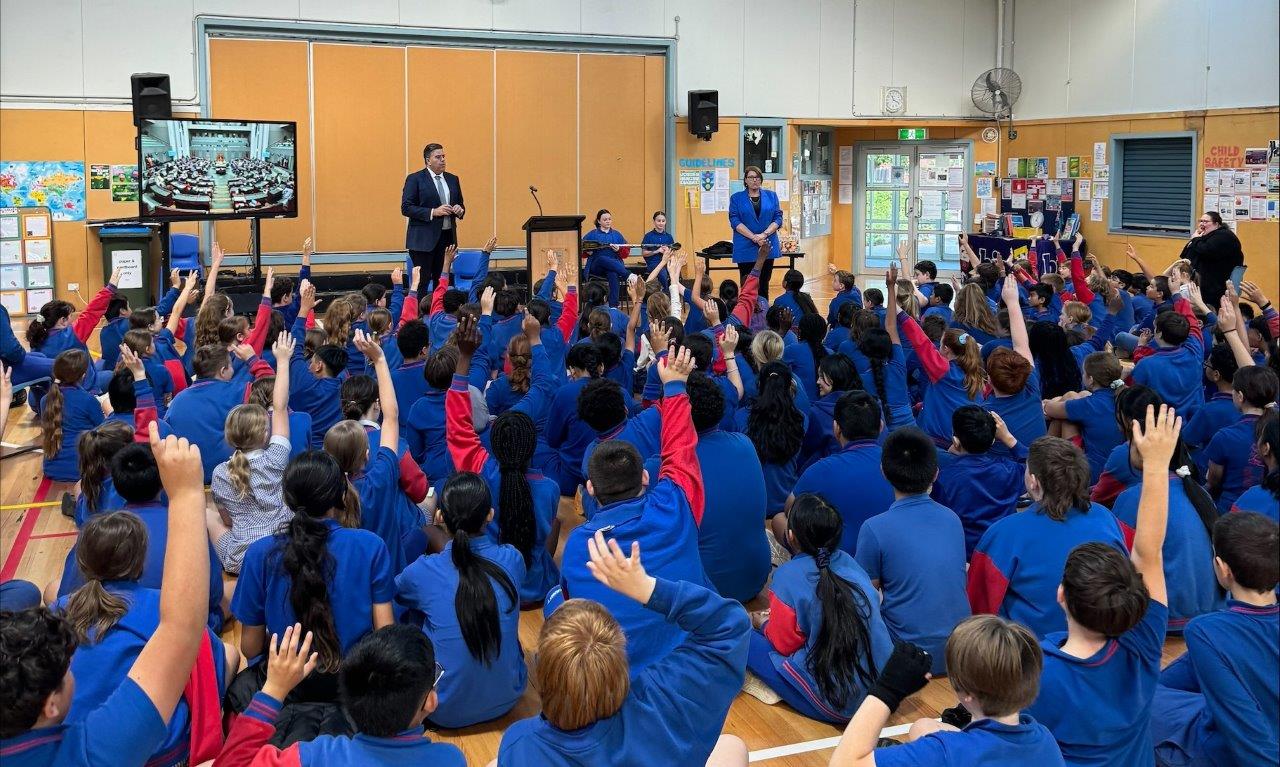
Speaker of the House, Milton Dick, is passionate about civics education and last week announced a National Youth Parliament, to be held in 2026, involving 150 high school students visiting Canberra for three days and representing each of the country’s electorates.
The latest report includes further information on performance results for sub-groups of students based on their background and demographics, and shows that disparities for some of these groups persist.
Year 6 girls, for example, significantly outperformed boys as in previous assessments, but there was no significant gender difference at Year 10, marking a change from the past trends where girls performed better.
The gap between Indigenous and non-Indigenous students attaining the proficient standard at both Year 6 and Year 10 remained significant in 2024.
Like with other national assessments, students from schools in major cities generally outperformed those in regional and remote schools, and achievement in civics and citizenship gradually increased with increasing levels of parental occupation and parental education, resulting in large, significant differences between the highest and the lowest occupational and educational groups.
Last Tuesday, Speaker of the House of Representatives, Milton Dick, launched a National Youth Parliament to be held in 2026.
The National Youth Parliament will see 150 high school students selected to represent each electorate across Australia participate in a three-day program in Canberra, including at Parliament House.
Youth Members will learn about aspects of being a Member of Parliament, including the process by which bills are drafted, considered, and pass Parliament to become law.
The National Youth Parliament will complement the Speaker’s existing civics education program, Parliament in Schools, which has been delivered to more than 145 schools across Australia, including regional and remote schools.
“Young people have a vital role to play in public discussion, and a youth parliament is a meaningful and sustained youth engagement model that we have seen across Australia and the Commonwealth,” Dick said in a statement last Tuesday.
“I look forward to welcoming students from all over Australia to develop their appreciation of civics, parliamentary debate and of course, strengthening our great democracy.”
The National Youth Parliament will begin taking applications in the second half of this year.
The full report, the National Assessment Program (NAP) sample Civics and Citizenship (CC) Report 2024, can be found online here.