


The impact of rejection can be particularly devastating for young people beginning to understand and explore their identities, Online Psychologists Australia (OPA) clinical psychologist Michelle Olaithe says.
“We are seeing increasing numbers of youth questioning their sexuality or gender, reaching out to us out of fear of a lack of acceptance from the adults in their life, or are already facing discrimination and prejudice,” she says.
“The impacts of this experience can continue to be damaging for the rest of their lives if they do not get support.”
The psychologists’ platform has just released a free guide for parents, teachers, carers and friends, called From Surprise to Support – A Psychologist’s Guide to Getting It Right When Someone Comes Out as part of Pride Month, celebrated each June.
The new resource offers clear, compassionate guidance for those who may be unprepared or unsure how to respond when someone comes out to them.
It explains what to say and what not to say, along with practical steps to create a safe, affirming environment in the days, weeks and months that follow.
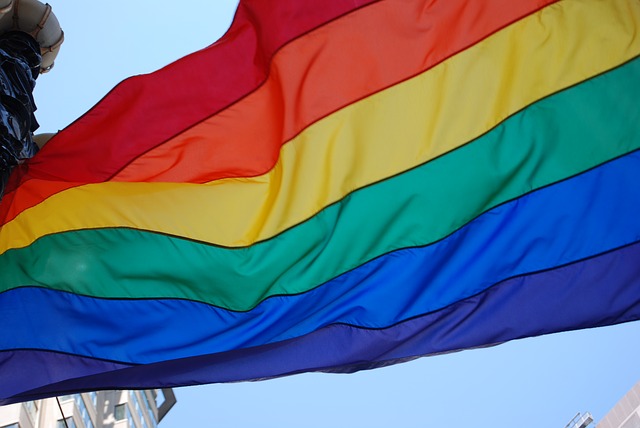
Despite growing acceptance culturally, research shows almost half – 49 per cent – of young people who come out experience heartbreaking parental rejection.
OPA chief executive Sarah Richardson says the guide is aimed at taking the fear and awkwardness out of that moment and replace it with empathy and confidence.
Three in four LGBTQI people have experienced a mental disorder at some point in their lives.
This is not due to a predisposition to poor mental health within the community but rather stigma, discrimination and a lack of acceptance, particularly from those closest to them.
Richardson says many people do not realise just how much their first reaction impacted someone who has come out to them.
“The truth is, when someone comes out to you, they’re opening up in an incredibly vulnerable way - they’re not just telling you something personal, they’re asking for acceptance and for safety,” she says.
“The best response is to lead with love: say ‘thank you for trusting me’, tell them you support them.
“You don’t need to have all the answers. Just being warm, open and non-judgmental can mean everything in that moment.”
“We created this resource for the betterment of the lives of LGBTQIA+ Australians as well as for their loved ones, with the hope of strengthening their relationships,” she says.
Despite growing acceptance culturally, research shows almost half – 49 per cent – of young people who come out experience heartbreaking parental rejection.
James Wright was 19 years old when he decided to tell his mum and dad he was gay.
Now 46, the memory of that experience remains clear.
“I would say for all gay people, coming out becomes an indelible memory, whether it’s a good or bad experience,” he says.
“I came out to mum and dad separately, within a few weeks of each other, and it really shocked me the difference in their response.”
Wright’s father, a devout Catholic with Italian heritage, was completely accepting.
“He said loving his son was the priority over adhering to what the Catholic Church told him,” Wright says.
“It brought us so much closer together ... I felt relieved and that he made it so easy was so beautiful.”
His mother, who Wright had expected to be more accepting, did not respond the same way.
“She was horrified,” he said.
“We’ve not had a great relationship since then.”
(with AAP)