Across the early years, specialist and primary sectors, educators, leaders and school communities are grappling with the ramifications of what occurred and searching for answers.
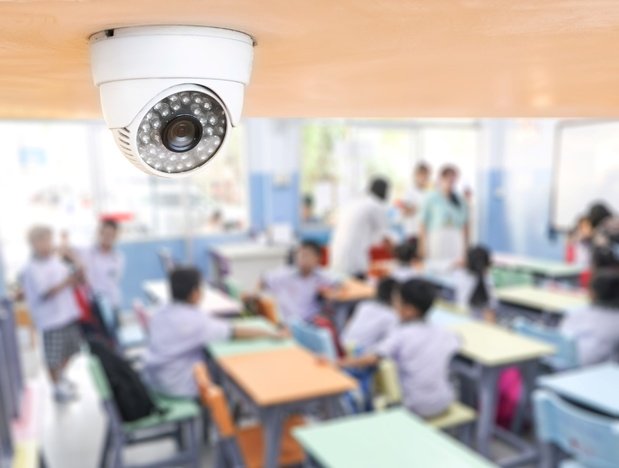
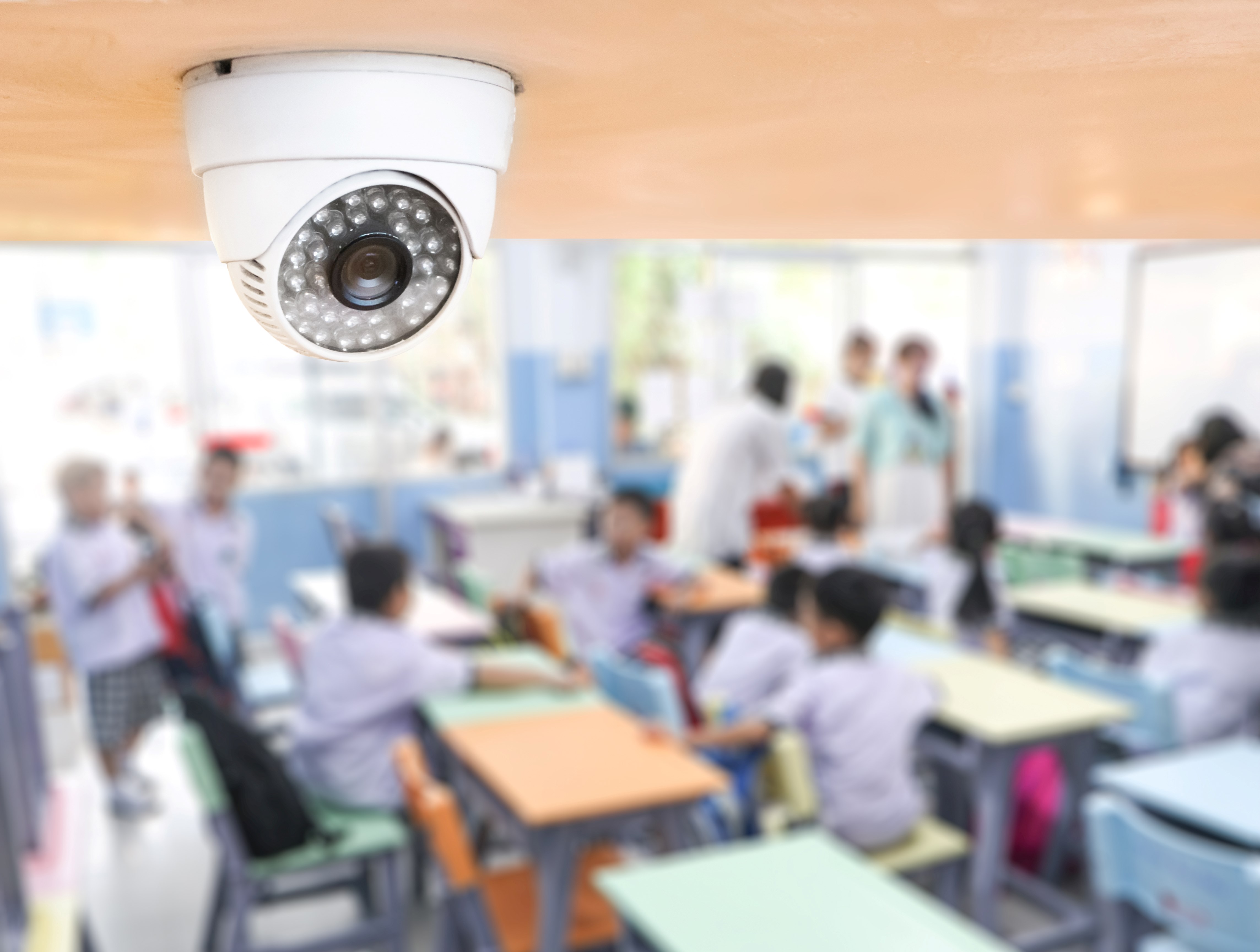
In the case of some settings, the response has been swift and determined, with CCTV systems rolled out rapidly.
At the federal government level, a national assessment is now underway to explore the use of CCTV in early childhood which will involve up to 300 services including regional, rural, and remote communities as well as metropolitan settings.
But has educator awareness and leadership technology knowledge grown at an equivalent rate?
Perhaps now is a good time to step back, pause for a moment and take stock of where we are.
CCTV policy and practice
There are already robust sets of rules and policies which govern the use of CCTV technology. Policies cover aspects of camera use such as displaying clear signage in areas where cameras are used, notifying staff and families of the cameras and carefully restricting who, how and when the footage and audio from cameras can be accessed.
In general terms, cameras can only be used to ensure safety, protect facilities and property, provide information in the event of an incident and offer clarity if there are questions or concerns about something which occurs in a classroom or public area.
Cameras can’t be used in private areas like staff rooms or lunch areas, nor can they be placed in bathrooms or changing areas.
What happens in other parts of the world?
In the USA, some states are already adopting or considering laws mandating CCTV cameras being installed in specialist schools.
South Carolina has a bill before their law makers to consider mandating cameras, and similar laws allow ‘by request’ camera installation in Texas.
Louisiana has just gone one step further with an outright mandate for all self-contained special education classrooms from February this year.
Teachers there will not have a choice about whether cameras are present in their room; the rollout will simply include all self-contained special education rooms across the state.
Likewise in the UK, many schools already have cameras installed, alongside strong legislation to guard against misuse of the technology.
Teacher awareness
Although CCTV use is already common in many parts of our daily lives, it seems educators are still quite surprised to discover that cameras might be used to monitor what happens in their classrooms.
This is despite the fact that CCTV is expected at places we visit frequently, such as supermarkets, train stations, shopping centres and hospitals.
We expect cameras to be in many public places, providing security for ourselves and our property, and acting as a quiet guardian that we know is watching in case things go wrong.
But when you ask educators what they know and think about CCTV cameras in education settings, the answers are surprisingly variable.
Responses range from ‘is that even legal?’ and ‘No chance! What an invasion of privacy!’ through to a solid understanding of the rules and guardrails that are in place to protect teachers and children alike.
Some teachers can see the value in having cameras, so they can be accessed in situations where there has been a significant incident and there are differing views over exactly what occurred.
Others are concerned about their own privacy, and whether camera footage might be used to intrude on their teaching, critique their classroom management skills or provide unwanted feedback as an alternative to mentoring and traditional classroom observations.
The concerns over privacy for both teachers and students are real and valid, and need to be taken seriously, both in terms of real time privacy and also how visual and audio data is held and managed in the longer term.
The way forward
As more and more schools and early years settings move towards CCTV technology as a strategy to protect the wellbeing of children and the safety of teachers and school property, it’s an important time to hold serious conversations about the path forward.
One way is to adopt the ‘all in mandate’ Louisiana model for settings with more vulnerable children, and another is to bring families, teachers and school leaders along for the journey to choose the best approach for Australian settings.