


In a new paper canvassing the ‘widespread’ and ‘systemic’ issue, Stephanie Wescott and Steven Roberts from Monash University draw on two compelling case studies to outline the ‘denial, minimisation and intentional mixed messaging’ that women teachers endure at the hands of school executive.
Wescott says when they were scouring the data, teachers consistently reported that there was no standardised response or clear policy at their school to deal with reported cases of sexual harassment and misogyny on campus.
“It was very ad-hoc … and certainly not proportionate to the kind of distress that women were reporting,” Wescott tells EducationHQ.
“We found in particular that there was denial and minimisation happening. So, it wasn’t just that, ‘oh there’s actually no policy here’, it’s that, ‘we don’t really believe you’ or, ‘we don’t accept what you’re saying’ or, ‘it can’t really be that bad, are you sure?’”
Wescott and Roberts describe these responses as institutional gaslighting – a concept they say captures the behaviours and norms that allow schools, as powerful organisations, to undermine, shame and conjure feelings of doubt in teacher-victims.
This was the exact experience outlined by Laura, an early career teacher who quit the profession after her school leadership failed to meaningfully respond to the ongoing sexual harassment from boys she was enduring.
Her leaders’ obvious reluctance to use specific and accurate language to call out the behaviour was telling, Wescott says.
“So they might say something like ‘disrespect’ or just ‘misbehaviour’, like general categories of behaviour.
“But what we were arguing was that’s actually minimising what’s actually going on here.
“We need to call this gender-based violence or we need to call it sexual harassment or we need to call it misogyny.
“And there seems to be a hesitancy to engage with these terms,” Wescott adds.
As Laura noted in the research, “there’s no language defining, ‘Hey, what you’ve said to that teacher is actually sexual harassment and that’s a serious thing.’ It’s just kind of, ‘Don’t be mean to that teacher’ and it’s kind of just a basic talk”.
Wescott says while there may be a broader hesitation to use these terms with young men, it’s important for women to have their experiences captured precisely in language.
“That’s part of saying, ‘I understand what’s happening to you and I understand how serious this is’. That recognition is really important.”
It’s also critical to connect sexist patterns of behaviour erupting in classrooms and the gender-based violence scene we’re grappling with as a society, the researcher says.
“And also, to underscore that there’s a power dynamic that’s happening here that replicates what’s happening in broader society between women and men and girls and boys.
“We can’t minimise this behaviour and just say that it’s ‘plain disrespect’, like calling out in a classroom or refusing to do work.
“This is a deeper, more embedded and more sinister problem,” Wescott notes.
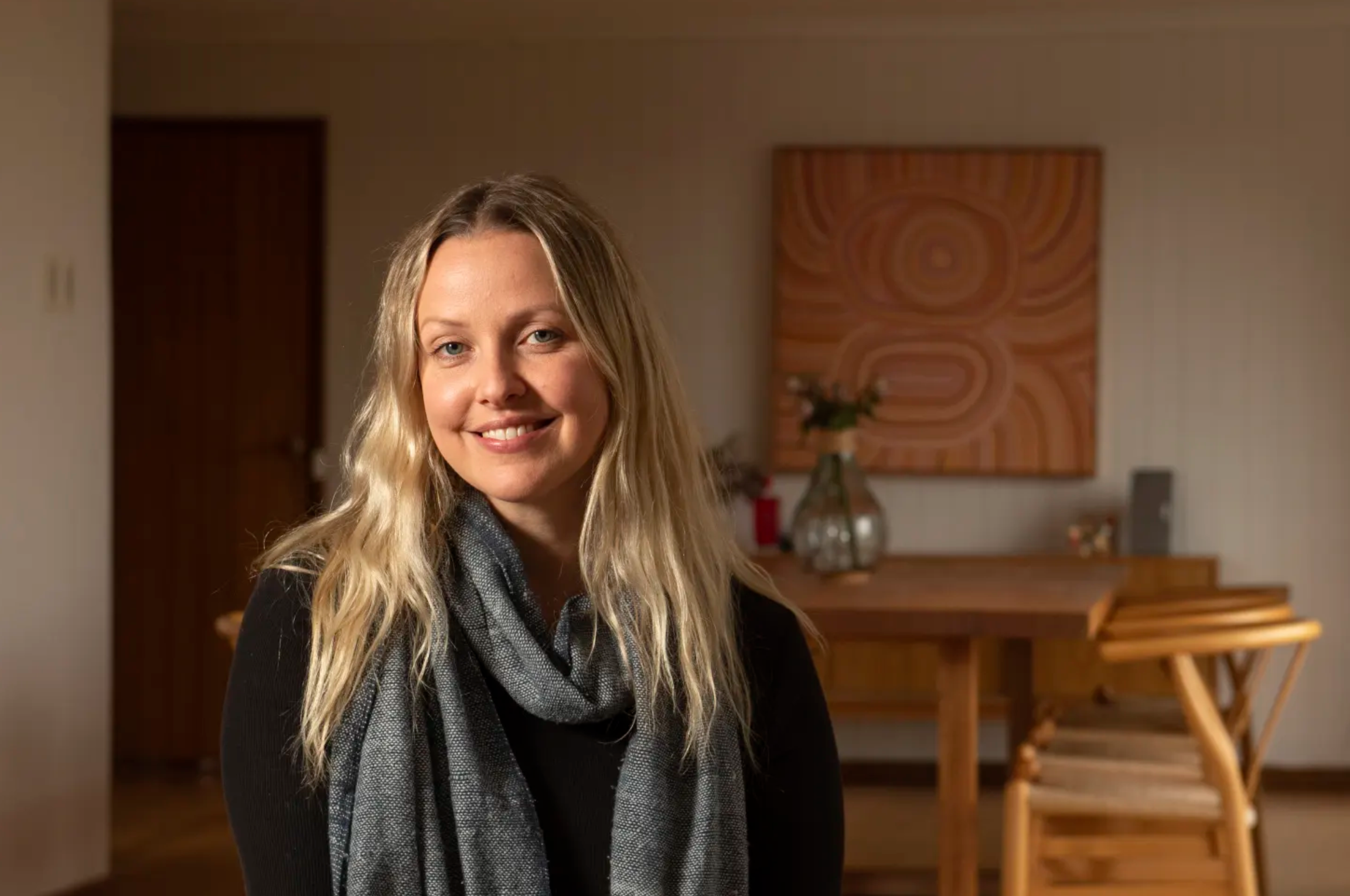 Dr Wescott says not all school leaders respond in ways that constitute instutional gaslighting, but national guidelines on reporting and recording sexual harassment incidents in schools are needed.
Laura went on to sustain ‘significant psychological harm’ a result of her students’ behaviour, and submitted a report to her school leadership detailing this.
The deputy principal responded by suggesting she use ‘positive reinforcement’ in class, indicating it was, in fact, her behaviour management that was at fault.
Wescott says victim-blaming is a common theme throughout her research in this space.
Women are told they are not tough enough, and this is why they are experiencing sexual harassment in class, she suggests.
Some victims involved in the study were presented with the teacher standards, as though their professional incompetence was the root cause.
“This plays into a well-documented practice of situating women teachers as lacking requisite behaviour management capabilities, and as lacking the capacity for control typically associated with men teachers and how they are presumed to be able to ‘do’ masculinity in ways that are effective for discipline,” the paper asserts.
Another problematic but common response is for school leaders to suggest women teachers are prompting boys to act out, Wescott adds.
“A really common thing we hear [is] ‘you’re causing the boys to behave like this because you’re talking about feminism or because you’re talking about gender equity’ … which is causing them to lash out at you.
“It’s sort of inviting this idea that if you don’t behave like a man in a school or if you’re not a male teacher, then there’s nothing we can do about it – it’s inevitable.”
An apparent desire to erase gender completely from staff conversations about boys’ misbehaviour is also problematic, the researcher says.
“We also commonly heard that male colleagues would say, ‘oh, that never happens to me’, as if that was just that was just a sort of random thing, or as if it was something that teacher in particular was doing that prevented that behaviour.
“When actually we know that it’s because they’re a male teacher, that that is not happening to them.”
Mixed-messaging from school leaders around their commitment to supporting teacher wellbeing also contributed to the institutional gaslighting these women faced, the research found.
“We know that there are strange things that happen in workplaces around wellbeing. So, they’ll say, ‘let’s meditate’ or ‘let’s do mindfulness’ and that will ignore some of the structural and systemic issues in that workplace.
“And that’s exactly what we found in some of this data, that the women would say, ‘well, our main issue here is that we’re being constantly disrespected and we’re experiencing violence and sexism’.
“But the school did not want to confront that or accept that that was happening, and rather they would focus on wellbeing issues that weren’t relevant to a lot of the women in the school, which just also made them feel like what they were experiencing wasn’t being recognised and that it wasn’t a priority…” Wescott explains.
The researchers are calling for an institutional response, via the establishment of national guidelines on reporting and recording sexual harassment incidents in schools.
“I think there needs to be training to and professional development to school leaders to understand the way that gendered violence occurs in schools and the way that gender power dynamics play out in schools as well,” Wescott says.
“You can’t erase gender from your understanding of classroom dynamics and relationships between teachers and young people.”