The call comes in response to the state’s recent budget announcement of its largest-ever investment in special schools as part of $21.9 billion in education budget funding, with money set aside for the six new segregated schools or ‘special schools’ in South East Queensland.
Education Minister John-Paul Langbroek said the schools were set to be built in areas “they’re needed the most”, and would bring a combined enrolment potential of 800 students. He said there had been a “clear demand for the schools”.
“Delivering these purpose-built special schools empowers students with disabilities to thrive, learn, and succeed in environments designed just for them,” Langbroek said.
The plan appears contrary to a key principle of the National Roadmap for Inclusive Education, being to provide equal access to mainstream education.
The Roadmap seeks to facilitate a process of reform to ensure an equitable and participatory experience and environment for all students – which in effect means providing appropriate expertise and supports in mainstream schools rather than segregating students with disability in ‘special schools’, Disability Discrimination Commissioner Rosemary Kayess said.
Kayess has written to Queensland Premier David Crisafulli, as well as Langbroek, to raise her ‘deep concerns’ with their new plan.
“The investment to build new segregated schools goes directly against the Queensland Government’s commitment to inclusive education, the principles of the National Roadmap for Inclusive Education and a key recommendation of the recent Disability Royal Commission,” Kayess said.
“It is deeply concerning that the Queensland Government is blatantly ignoring all the evidence and expert advice in relation to the significant benefits of inclusive education for people with disability.
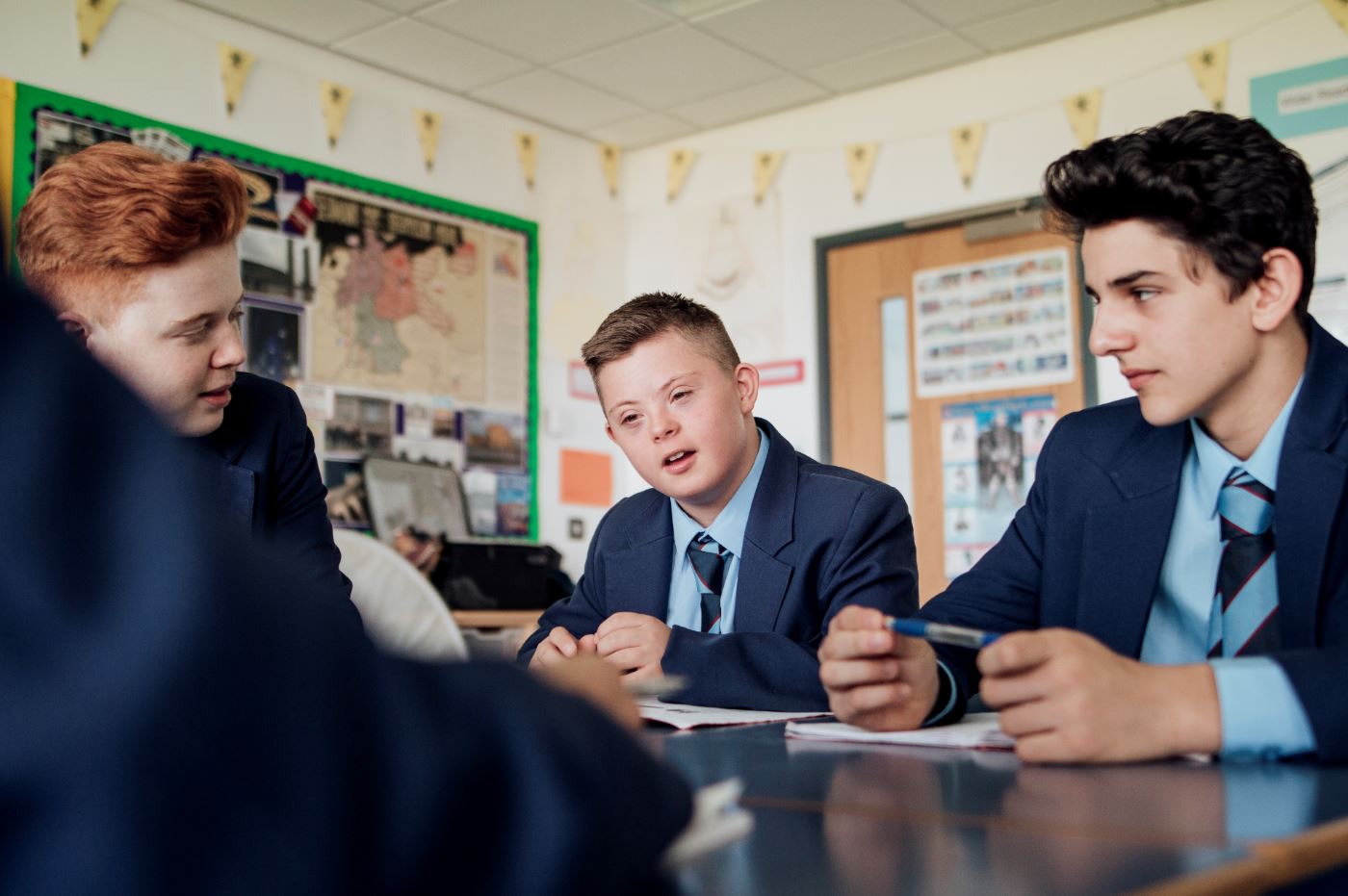
“We know that inclusive education leads to better academic outcomes and reduced social exclusion as well as increased employment opportunities for people with disability. It also reduces rates of violence, abuse, neglect and exploitation experienced by people with disability.”
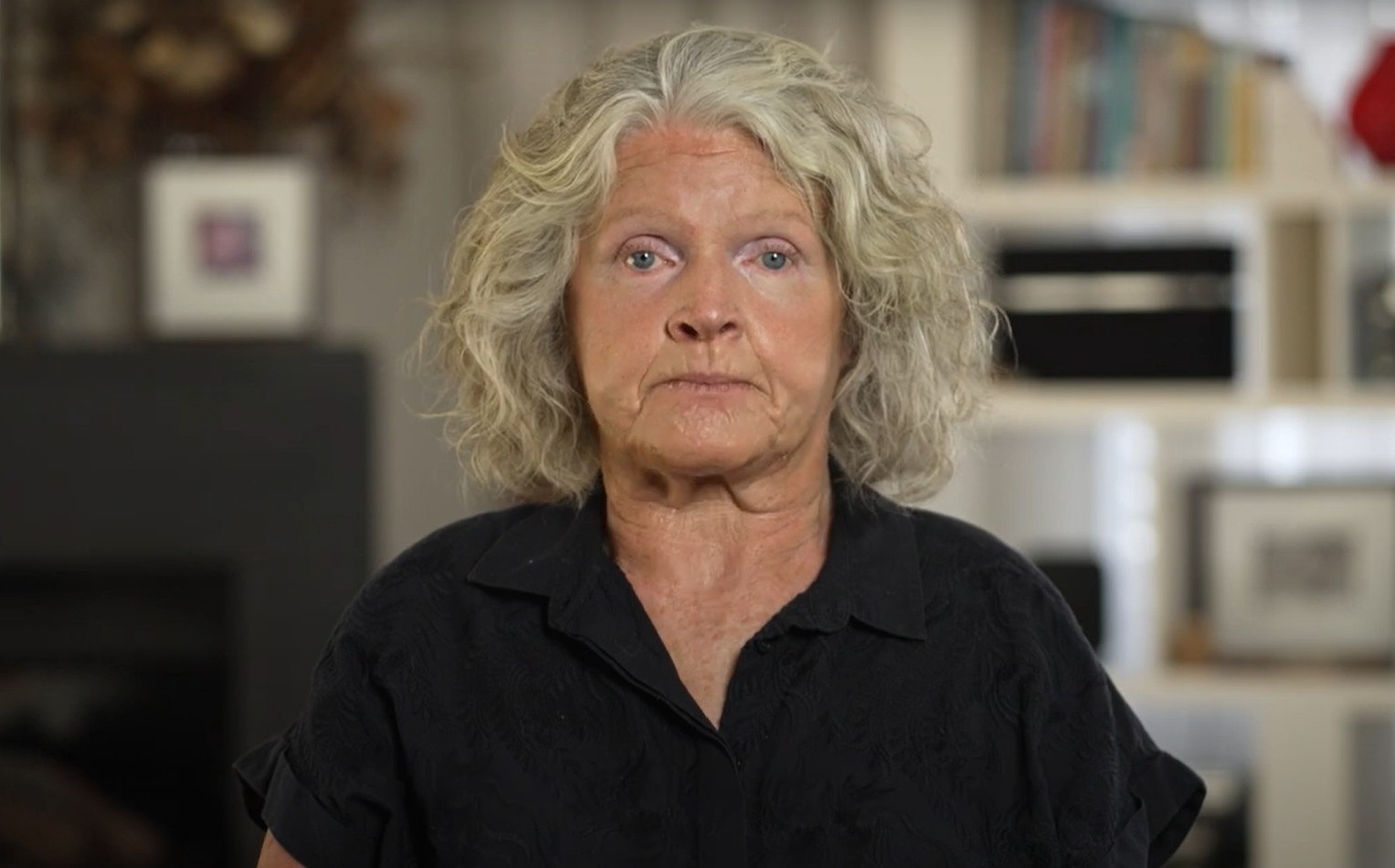
Associate Professor Kathy Cologon, from Charles Sturt University says it is “very disappointing, and extremely concerning” that we are seeing a trend towards segregation and that the split view of the disability royal commissioners had "legitimised having opinions" on special schools.
Kayess claimed for the cost of the six new segregated schools, to be opened in Central Logan (Berrinba), Beenleigh, Coomera, Moreton Bay South, Springfield-Redbank, and Ipswich West, the Government could invest in mainstream schools statewide to provide the staff and facilities required to ensure they are inclusive.
“Segregated schooling leads to segregated lives for many people with disability and this is unacceptable,” Kayess said.
“If we want a society where everyone is included and where everyone feels they belong, then we need to be phasing out ‘special schools’, not building more of them.”
The disability royal commissioners were split on the issue of special schools in their final report handed down in 2023.
Commissioners Barbara Bennett, Rhonda Galbally and Alastair McEwin said they believed ”the deliberate and systematic separation of people based on disability constitutes segregation”. The remaining four commissioners disagreed.
The divided recommendations mean continued education segregation for Australia’s young people for at least a generation and possibly longer.
Since the royal commission, state governments have announced plans to spend more money than ever on special education.
Queensland Association of Special Education Leaders president, Andrew Thompson, told ABC News that the royal commission’s split decision on special schools was “the best outcome” and believed it was an “indication of where society sits”.
“Clearly, special schools are here to stay,” he said.
“I’ve worked [with] some very, very complex kids over the years, and I struggle to imagine how they would be accommodated in the mainstream classroom,” he said.
Kayess said she was disappointed that rather than embracing a brighter future for all Queenslanders, the State Government is instead locked into a “failed ableist model of the past which penalises people with disability”.
“I’m calling on the Queensland Government to honour its commitment to fulfilling the right to education on an equal basis with others by replacing its plan to build new segregated schools and invest instead in inclusive education across the state,” she said.
The Australian Coalition for Inclusive Education (ACIE) said Queensland’s funding plan “sets a dangerous precedent for the rest of the country”, and unwinds hard-won progress towards inclusion.
“Building more segregated facilities is not inclusion. Co-location is not inclusion. Parent choice is not real when inclusive options are under-resourced or unavailable," ACIE said in a statement.
“Every child deserves the right to be welcomed, supported and included in their local school with their siblings and neighbourhood friends - not separated based on their disability.
“Every teacher deserves to be supported and resourced to be the best inclusive teacher they can be.”