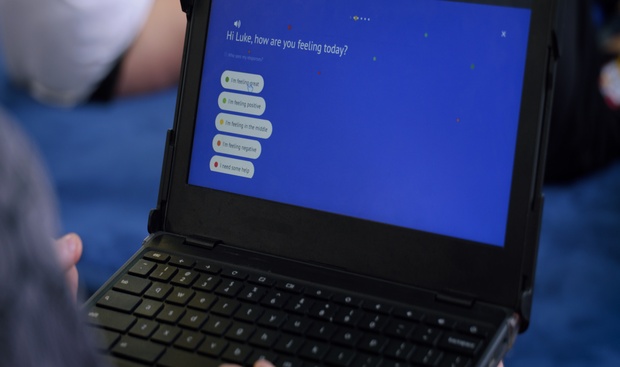
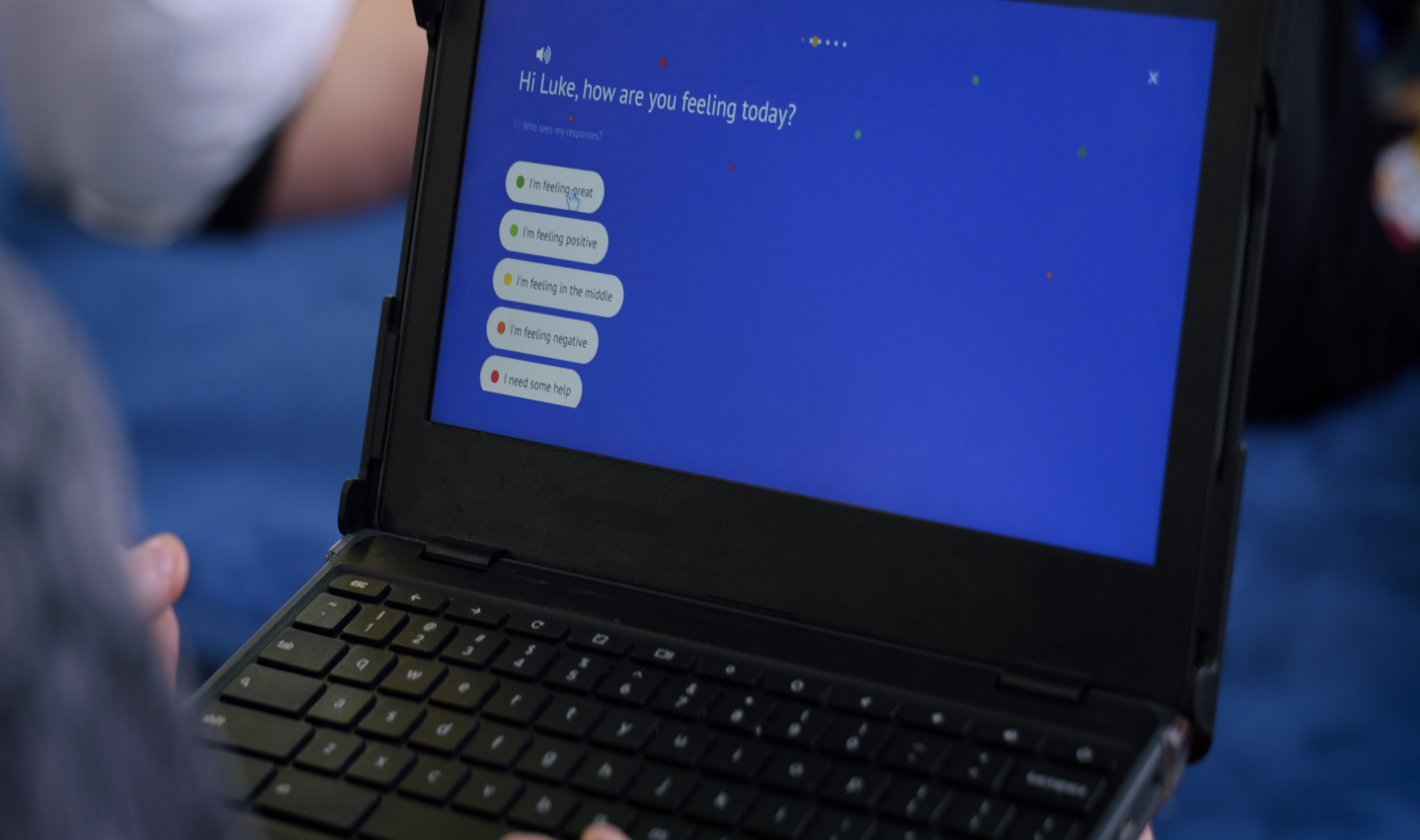
Under the initiative, primary and secondary school tamariki and rangitahi will be provided with software that tracks their mental, social and physical wellbeing for change and allows them to request help from teachers.
Teachers will receive real-time insights from the Pulse platform, which can be accessed by students on their devices. The technology provides an early warning system to identify students who may require immediate support with a wide range of personal issues and crises.
By regularly checking in with students and gathering data on their emotional wellbeing, the platform enables schools to proactively address any concerns and provide immediate assistance.
Donna Nee, tumuaki/principal of Henderson North Primary, says for tamariki, speaking out can be associated with stigma and they may be taught to suppress their emotions.
“We know that our tamariki are carrying the weight of their whanau in terms of the social and financial issues faced in the current economic situation,” she says.
“In that dark space, this technology is a way for them to reach out when they can’t say what they’re feeling or they can’t demonstrate in their behaviour how they’re feeling, or they don’t know how to connect to someone to reach out for help.
“I look at it as giving them ‘He reo i roto i te pouri’ – a voice from the depths of the darkness.”
Nee says children growing up in the digital world are very used to this kind of technology and they use it well.
“It gives us really good insight, to know that things are sitting there that we need to be aware of and to keep an eye on, and not think that just because our tamariki are quiet and they’re doing what they should be doing, that there isn’t something sitting in the background just waiting to have a voice,” she says.
“Unfortunately, sometimes, it can be expressed in the wrong ways. You don’t talk about it. It is a taboo subject because the whanau or the aiga feel it’s a reflection of them.
“So children are taught not to speak out. They hold it in.”
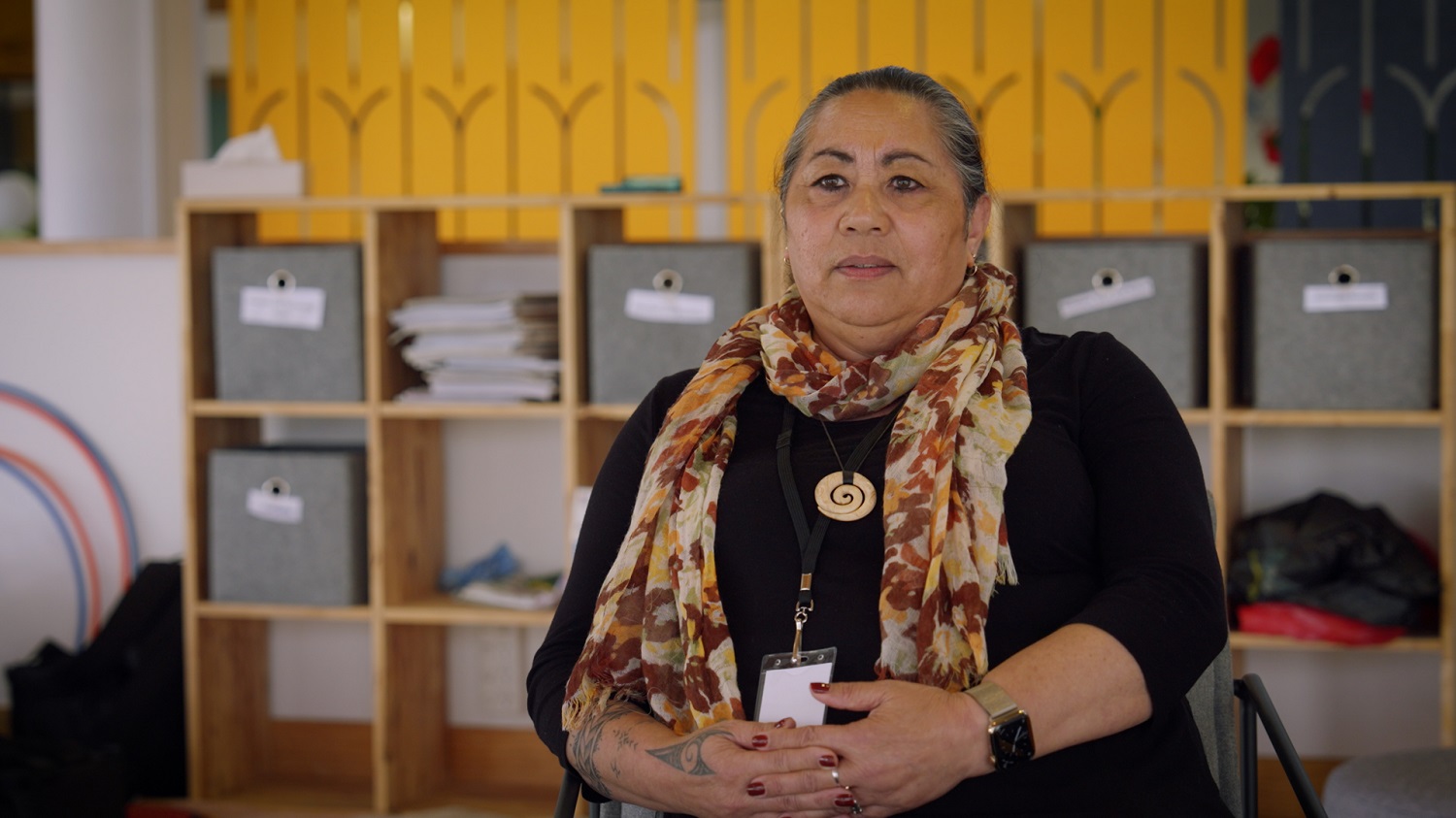 “If they start now at primary school level and they feel comfortable with this kind of platform and are able to reach out and get the instant feedback that they are used to getting through social media, it's going to benefit them as they move through their school years," principal Donna Nee says.
Students can choose who they want to engage with through the platform, and the technology helps maintain their privacy, so Nee says children will be able to talk to their chosen teacher without fear of repercussions from their peers or whanau.
Andrew Sylvester, Linewize school wellbeing specialist and technology provider, says vulnerable children do not always speak up and identifying them is a major challenge for schools.
He says offering teachers and school leaders insights into how a student is feeling can be transformative for their classroom interactions and will help them confidently connect with more students – before they act out with challenging behaviours, harm themselves or others, or withdraw from engagement in learning and their peers altogether.
He says feedback from educators has been that the technology also helps improve academic outcomes.
“This technology is student-centric and allows them to regularly reflect on how they are feeling and to reach out for help if they require it. It also helps them develop the life skills of self-disclosure and self-reflection.
“Students answer five simple wellbeing questions and any variances or concerns are identified and can be actioned. When a student flags that they need help, the software will connect them with a trusted teacher, school leader, or administrator of their choosing,” he says.
Allan Pollard, CEO of The Trusts, which has provided $71,000 to fund the initiative, says it is hoped that a successful outcome could see it expanded across the region.
“These kids have seen COVID, cyclones, floods and their parents struggle with the cost of living crisis,” Pollard says.
“We know that some children can find it difficult to articulate their emotions verbally for a range of reasons, which can lead to feelings of anxiety, stress and frustration.
“Tools like this can assist teachers and educators to invest their time where it’s needed most and provide ongoing support and guidance to tamariki who may be struggling.
“We have seen instances where the student check-ins on the platform have helped schools intervene and see students who would have otherwise slipped through the cracks get the help they need,” he says.
Sylvester says the technology was designed specifically for children and aligns with the World Health Organization framework for mental health and wellbeing.
“In addition to supporting student wellbeing, the insights gained from the student voices will help school leaders collaborate in response to the trends they see in data from across the entire region.
“The new platform will be accessible on devices across their region from this week and we hope this programme can be expanded to include students at all New Zealand schools,” he says.