That’s according to new research from the University of Newcastle that’s drawn upon more than a decade of data from NSW secondary students, parents, carers, teachers and communities.
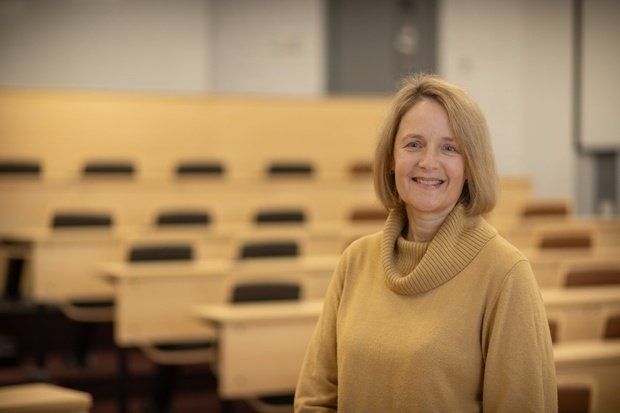
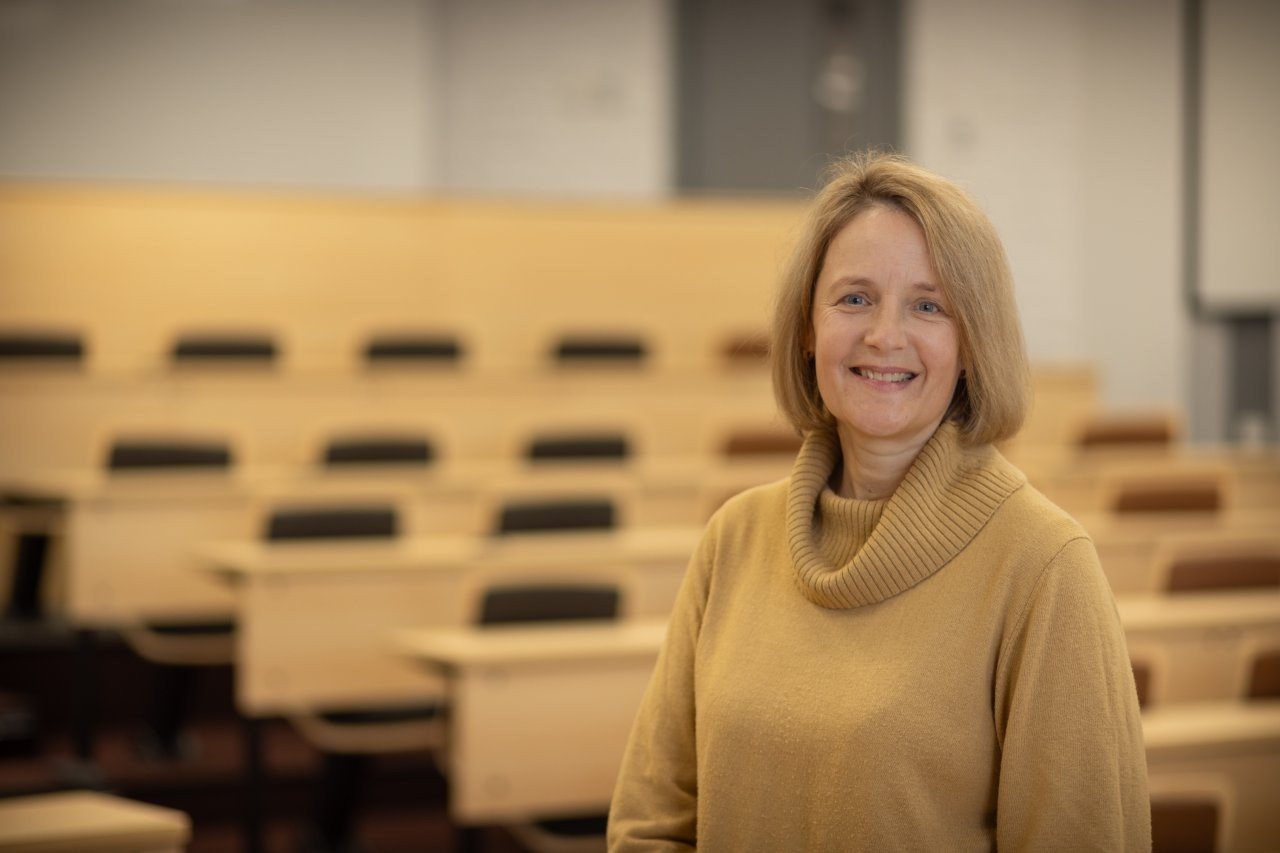
“It’s not just what’s happening in their own communities, it’s what’s happening in schools, it’s what’s happening in the broader community around them,” lead researcher Dr Leanne Fray tells EducationHQ.
“These students went through COVID and now five years post, they’re in this phase where there’s increased global instability, there’s incredible inflation, there’s cost of living pressures, students are grappling with the thought of never being able to buy their own home – they’re worried about the housing market and their parents are, too.”
Fray says AI is also causing consternation.
“When we asked students what they were thinking about for their futures and how they viewed their futures, when they spoke about AI they said they are thinking about their future careers differently because of AI.
“For example, we had one student who wanted to be a writer and she said, ‘I’m not going to do that anymore because, first of all, writers don’t really make any money anymore because AI can actually do the work of a lot of that writing’.
“She said that means that she won’t be able to meet her future goals of being financially independent, and being able to have her own home and lead the life that she wanted to lead.
“So she didn’t think there’s any compensation in it for her and that’s what broke my heart really, as somebody who works at a university and does a lot of writing for a living.”
The revealing Aspirations Longitudinal Study (2012–2015) was carried out by researchers from the Newcastle University’s Teachers and Teaching Research Centre
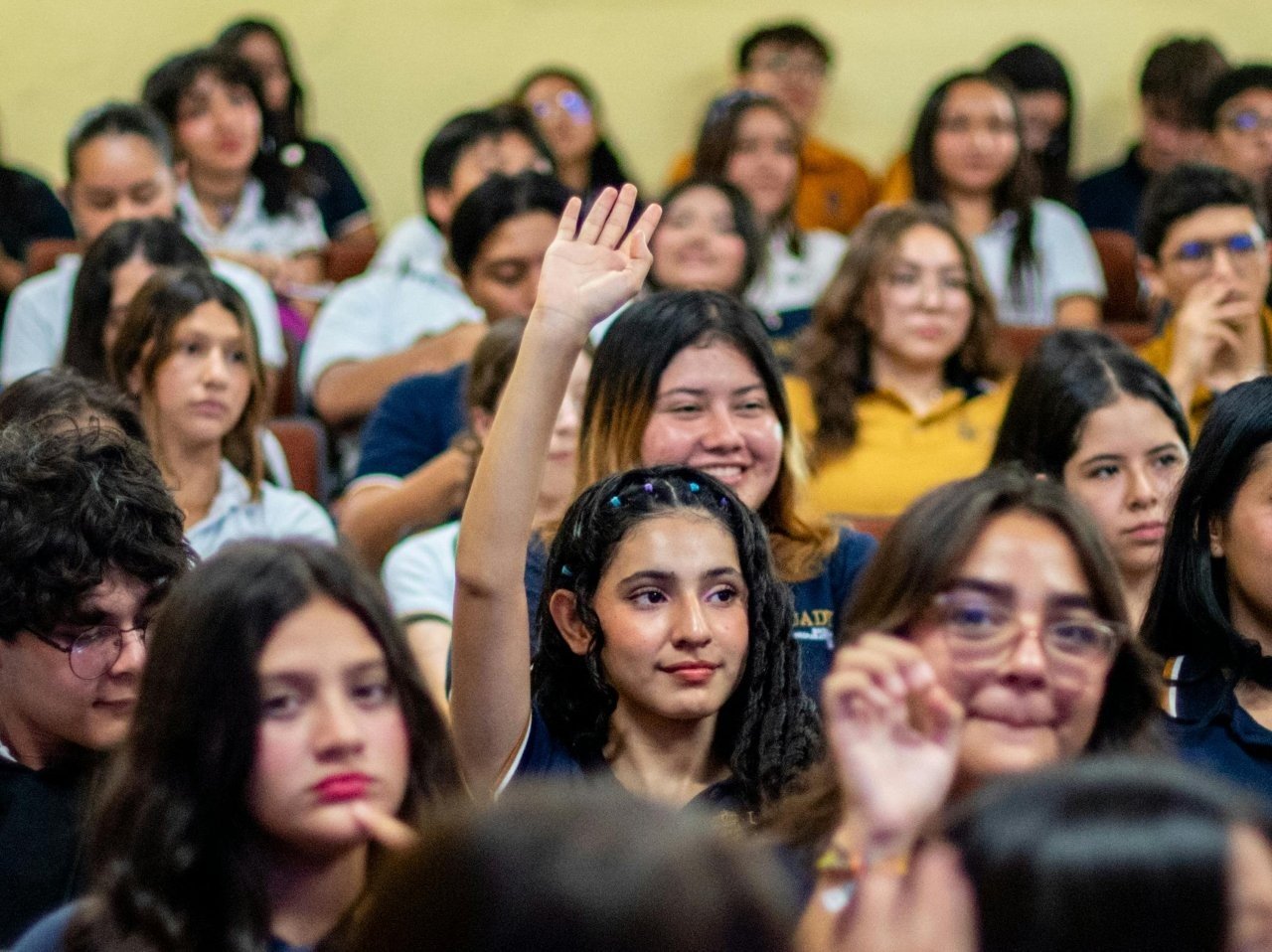
When researchers visited schools, students were mostly optimistic about the future, and despite their increased trepidation now, there have been encouraging results signifying that young people are still dreaming big.
“University remains the preferred pathway among students, with 43 per cent of surveyed young people aspiring to complete a university degree.
“This strong commitment to higher education persists even in the face of rising HECS debt concerns and cost‑of‑living pressures,” Fray says.
“Encouragingly, the study also revealed a growing appreciation for TAFE and vocational pathways across communities. This was as true in small rural lower SES schools as it was at academically selective schools in the city, marking a cultural shift and important development for meeting Australia’s skills needs.”
To help address the Universities Accord goal of achieving 80 per cent of the population attaining a qualification in higher education or vocational training by 2050, the new findings include key recommendations for schools to ensure students are equipped to deal with rapidly evolving societal pressures.
Fray says students are living in a place which is really uncertain, but their response to that is highly pragmatic and very strategic.
“They’re not going into university trying to figure out what they’re going to do – they’re more likely to go into university with a clear pathway of where they want to go and what they want to get out of that program or out of that degree.
“They’re also thinking much more strategically and pragmatically about TAFE; they’re thinking about it in new ways.”
When researchers first spoke to students between 2012 and 2015, TAFE was very much seen as a second-class institution; somewhere you went if you couldn’t go to university.
“That’s increasingly changing, where students are now making really clear and informed decisions about whether they go to TAFE or university based on their own long-term goals.”
To help address the Universities Accord goal of achieving 80 per cent of the population attaining a qualification in higher education or vocational training by 2050, the new findings include key recommendations for schools to ensure students are equipped to deal with rapidly evolving societal pressures.
One of those is a focus on student wellbeing throughout their school and post-school lives by better integrating mental health programs into K-12 education.
“Society continues to change, and we obviously need to adapt what we do in schools to better support students. One of those things is acknowledging that students have climate anxiety and economic stress and are worried about the ongoing global crises.
“Integrating wellbeing programs to help students cope with that certainty, uncertainty will help them build resilience into their lives,” Fray says.
Teachers are already overwhelmed by the curriculum, but Fray says there are ways that we can be doing this as a system that supports teachers and students.
“And that could be through promoting decision making skills or goal setting or reflective thinking, [it's] about helping students to build their own capacity to make those decisions and to support them,” she says.
The research also suggests a bolstering of career education through partnerships with local employers and tertiary education and vocational education providers.
With a lack of careers counsellors in Australia’s schools, Fray says what students continually share is that often it is a conversation with a classroom teacher that has made all the difference to what they end up doing post-school.
“I think recognising that those small conversations that teachers have with students on a day-to-day basis are actually very important in helping students to understand their post-school destinations and how they might get there.
“We have stacks of really clear evidence that those little conversations are almost just as important as proper career transition programs.
“But that’s not to say careers programs in schools aren’t incredibly important – they are in many different ways. But as we know in many high schools, often you have one careers advisor for the whole school.”
The research also suggested addressing community infrastructure needs and fixing funding models across school, vocational and higher education policy areas.
“Funding is incredibly important. If schools are funded appropriately, then they can do the work that they need to do to support students post school, post secondary school, to support them into pathways that are appropriate for those students...
“It’s making sure we can do it in a way that gets all parts of community involved, rather than lumping it all back onto schools, like sometimes we tend to do.
“Young people are ambitious, they are thoughtful, and they are doing the emotional and practical work required to plan for their futures. What they need now is a system that meets them halfway.”