

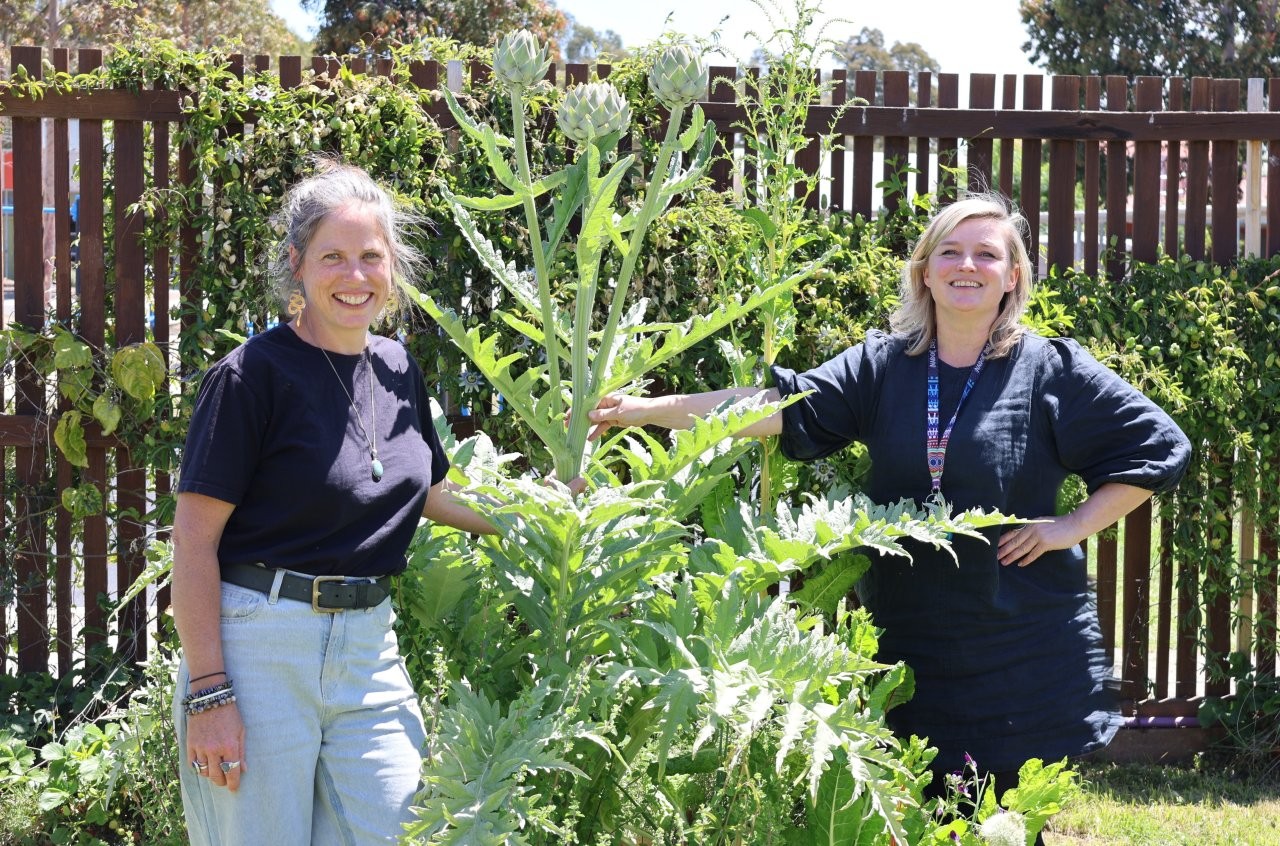
Inadequate infrastructure and equipment, the tension between making a profit and providing healthy food, and the complexity of regulations are all hurdles school canteens have to overcome.
Yet community and government funding for staff and equipment are gradually ensuring canteens can continue to operate and provide healthy, affordable options for students.
Unwilling to accept that even one of their students could go hungry, Weeroona College Bendigo decided about two years ago that not only would each of their students be well fed, but that their school canteen would be a rich source of bountiful nutrition and enviable food choice.
The result is a thriving, self-sustaining canteen which sells in excess of 1000 healthy and delicious lunches every week to its eager and appreciative 800 Year 7-12 students and 120 appreciative staff.
It’s the perfect antidote for a societal shift towards ultra-processed options in our supermarkets, which dieticians and food experts say is undeniably linked to rapidly increasing levels of obesity, diabetes, heart disease and depression.
Thankfully it is exactly the opposite at Weerona, with a dedicated school leadership, a food-passionate Finance and Communications head (Rhiannon Berry) and a canteen manager with real world experience (Rebekah Hughes) instrumental in transforming the previously ‘traditional’ kiosk that was hampered by abundant processed, high sugar and high fat options.
Like many public schools nationwide, many of Weeroona College Bendigo’s students are from lower socio-economic circumstances, and so a big focus is on adequately catering to their nutritional needs.
“We do have a large portion of students that just don’t bring lunch to school,” Berry says.
“We have a breakfast program every morning, Beck also puts on a separate breakfast every morning, so there’s plenty of options for our students to have a substantial start, and lunch and snacks throughout the day.”
Hughes previously ran a small, busy and successful Bendigo cafe, and was a logical choice when the position became vacant, especially given staff had already been frequenting her cafe and devouring her delicious food for years.
On top of her busy school day, Hughes also cultivates a substantial food garden, assisted by keen and enthusiastic student helpers, that’s bursting year round with seasonal produce, all of which is harvested and then utilised through the canteen. Nothing goes to waste.
Critically, Bendigo Community Health Services provides free advice and an active Cooking for Change program has been delivered for several years now in partnership with Bendigo Foodshare.
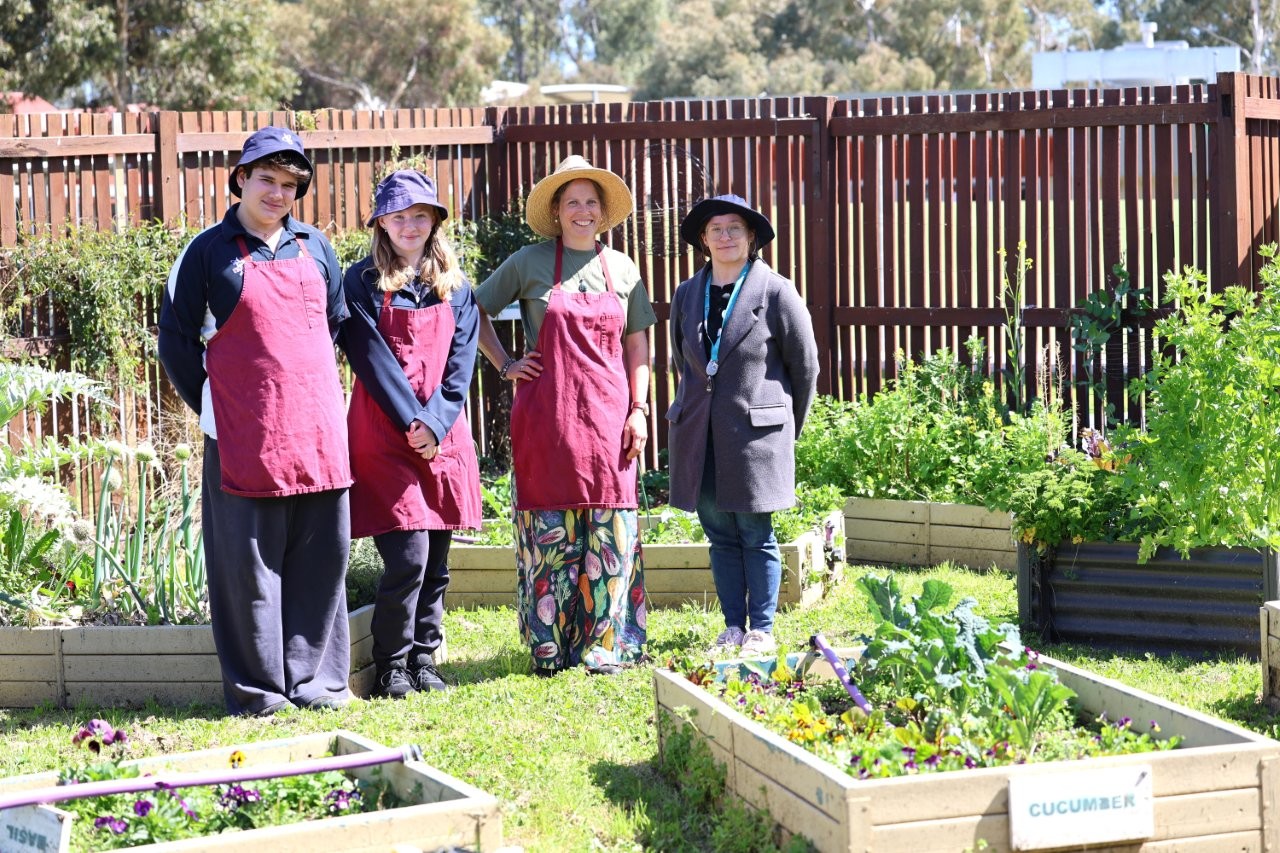
From the lush and expertly operated school garden...
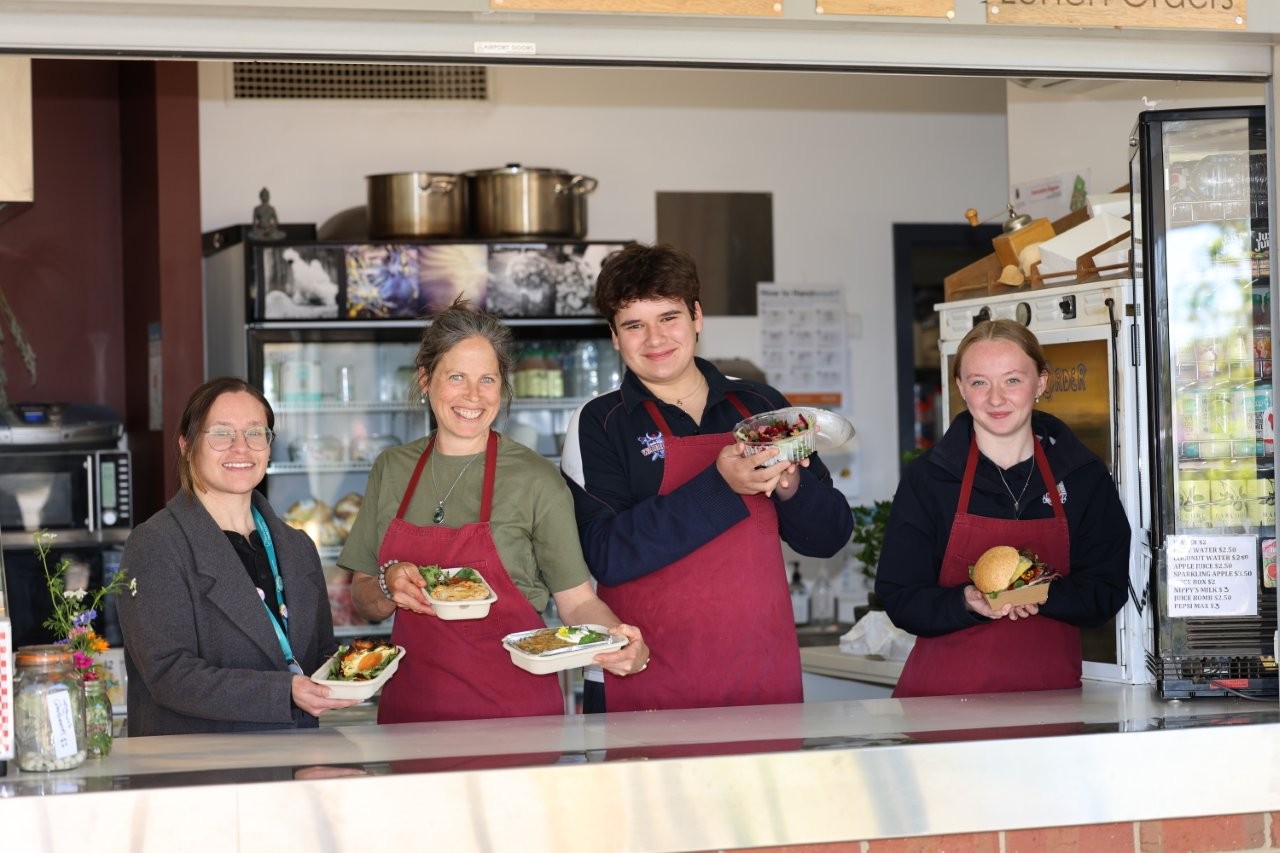
... to the thriving, self-sustaining school canteen, Weeroona College Bendigo is showing what’s possible when schools and local organisations work together.
“Cooking for Change helps teach students about incorporating homegrown food and getting them involved in the whole process of picking from our school garden, to making the food,” Hughes says.
“They regularly cook lunches and sell them to their peers – so it’s teaching kids how to essentially be resourceful with what fresh ingredients are available and cooking a healthy meal as well.”
Bendigo Foodshare offers free or very cheap food for schools, sometimes for breakfast club, but always available for students throughout the day if they don’t have lunch or would like a snack of fruit or yoghurt.
Embracing the hugely successful Vic Kids Eat Well program, the school completes eight “bites” (actions) to boost nutritious food and drink options.
For many students the canteen offers new and exciting options that they haven’t tried previously.
Seasonal menus now feature homemade beef burgers with school garden-grown vegetables and house‑pickled cucumbers on wholemeal buns, with classic favourites reimagined, including veggie‑packed pies, tuna and corn fritters along with yummy Japanese pancakes.
In‑house hot meals now include lasagna, burritos and soups with the onus on flavour, vegetables and affordability.
“So today, we’ve made a vegetarian dal with rice, coriander out of the garden, carrots out of the garden, some yogurt,” Hughes says, as an example.
“I poached some chicken breasts for the non-vegetarians and the two options sold out.
“The homemade beef patties and mixed lettuce, which is out of the garden at the moment, are a favourite, too. I interchange a lot of the salads, they might get capsicum, they might get mushroom, it depends on what’s in season and in the garden.”
Gone are the fizzy sugar-loaded drinks and energy drink options. Water’s now students’ drink of choice, with healthier options like small flavoured milks, 100 per cent fruit juices and sparkling water also available.

“Limiting processed foods and making homemade versions where possible has been very rewarding,” Hughes says. “Harvesting from our school garden and tailoring the menu to what’s in season is a sustainable way to run the canteen.”
Fruit salad, frozen yogurt cups and fruit smoothies have taken canteen spots traditionally filled by confectionery and sweets.
New snacks now round out the school’s offerings, including homemade popcorn, rice wheels, date balls and low‑cost seed‑and‑fruit mixes.
“If they can eat great food, then obviously their mentality is going to be better. They’ll concentrate better in class,” Berry says.
“Also, the teachers have embraced that as well by encouraging the kids to go to the canteen and get something healthy for lunch – especially if they’re not concentrating well or they’re just having trouble in class.”
Ensuring the canteen is financially viable has been a challenge eagerly taken on by Hughes.
“We’ve managed that with obviously incorporating the school garden, which Becs does an incredible job of maintaining,” Berry says.
“She’s just incredibly resourceful. If there are things left over from Food Bank or home economics, say, stewed apples that they can have with yoghurt, things like that.
“We don’t like waste. And if there is waste, it’ll go to the chickens or the compost heap!”
Owning your own business and serving up good food for paying customers certainly brings a degree of satisfaction, but being in a school and helping the young people of your community, is important. For Hughes there’s a satisfaction in knowing that her efforts are having a major impact on the lives of young people.
“It’s massive,” she says.
“It’s a lot more rewarding. I loved my business and my cafe and I also had a veggie garden set up to supply that – but the kids and the teachers are a lot more appreciative than customers.
“I love sneaking greens into things – the kids would never eat spirulina or wheatgrass or kale,” Hughes laughs.
“I love knowing everything I’m doing, even the little things, I’m just helping them a bit.”
For other schools looking to lift their game, Berry and Hughes say it’s really not hard.
“I really hope a lot of people get on board,” Hughes says.
“There’s a lot of help out there for free and from community organisations, from the government.
“There’s a lot more help out there for schools than for small business, that’s for sure – so get on board with it!”