The NSW Government said it had overhauled the Code “to be stronger and simpler, ensuring students understand their responsibilities clearly” in an effort to stamp out toxic behaviour and bullying..
The updated Code reinforces the behaviours of respect, responsibility, and safety for all NSW public school students from kindergarten through to Year 12 and by requesting an annual acknowledgement, the Labor Government said it was ensuring families play an active role in supporting improved student behaviour standards.
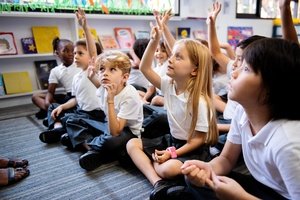
Among a range of various expectations, the Code asks students to commit to letting others “focus on their learning” and to wear their school uniform “correctly and with pride”. It also asks that students “follow school and class rules and routines”, and to “speak up and ask for help if anyone feels unsafe or is treated unfairly”.
According to The Daily Telegraph, the Code also “explicitly warns students that if they are violent, threaten, harass or bully others – “including through use of phones, devices, computers, online or social media” – they may be suspended”.
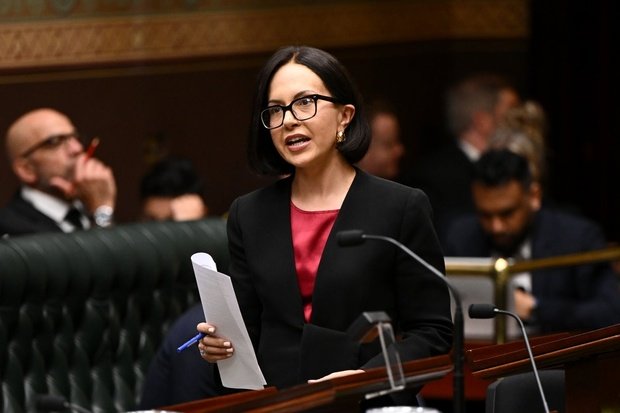
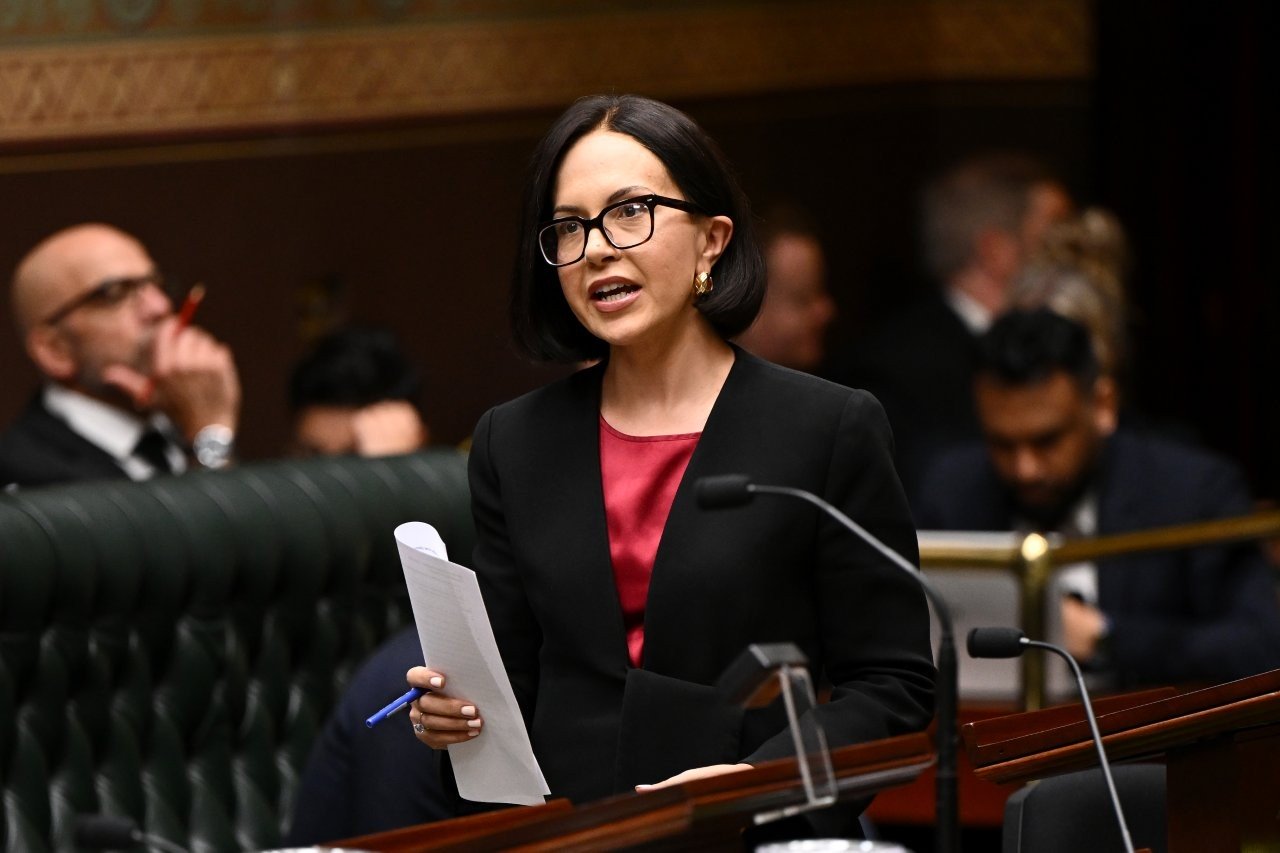
Deputy Premier of NSW and Minister for Education and Early Learning Prue Car said the current Minns Government sets high expectations for student behaviour in every public school.
“When families understand these expectations clearly, they can best help their children meet them," Car said in a statement.
“Alongside the new Code, our Government has introduced a new behaviour policy, put more teachers at the front of classrooms, and decreased the number of cancelled and merged classes.
“Combined with initiatives like the mobile phone ban, it means students are more engaged in learning, with less disruption in the classroom.”
Students will now be explicitly taught the behaviour standards expected of them, with teachers supported with a range of resources.
This includes a new evidence guide on reinforcing positive student behaviour that will also be published as part of the What Works Best series from the Centre for Education Statistics and Evaluation.
High expectations for student behaviour leads to settled classrooms, which are critical for learning, the Government said.
Teachers and parents have so far welcomed the code, but the Opposition warns “the real test” still lies ahead.
NSW shadow education minister Mark Speakman said “requiring students and families to acknowledge the Code … (is) a positive step” but noted it still needs to be proven effective.
“The Minns Labor Government has said a lot about bullying, but the problem continues to plague schools and students,” he told The Daily Telegraph.
“The real test is implementation and follow through – whether they will actually deliver safer classrooms and give teachers the support they need to deal with bullying and serious disruption.”
NSW Teachers Federation deputy president Natasha Watt told the Telegraph that her union was supportive of the new code, which she said “promotes settled schools and ordered learning”.
“It’s entirely reasonable for students, parents and teachers to expect high standards of behaviour in our schools and this policy is an important step in the right direction,” she said.
In Victoria, in November last year, the Allan Labor Government set clear expectations about the values and behaviours it expects in every government school in the state.
Deputy Premier and Minister for Education Ben Carroll announced a school statement of expectations to be rolled out to “support students, parents and staff to understand the expectation of how best to behave at school”.
Titled Respectful, Safe, Engaged: Shared expectations to support student behaviour, the statement outlines clear student expectations to create a safe, respectful and inclusive school environment where all government school students and staff can learn, work and thrive.
The statement was developed after the Annual Education State Forum and followed consultation with teachers, principals, parents and education experts.
The NSW approach builds on comprehensive student behaviour reforms introduced by the Minns Labor Government at the start of 2024.
Those changes, the Government said, “restored authority to principals and teachers, making it easier to manage disruptive behaviour and suspend students when necessary to maintain a productive learning environment”.
The 2026 school year serves as the transition period for schools and families to familiarise themselves with the Code. It will be fully implemented across all NSW public schools from Day 1, Term 1, 2027.