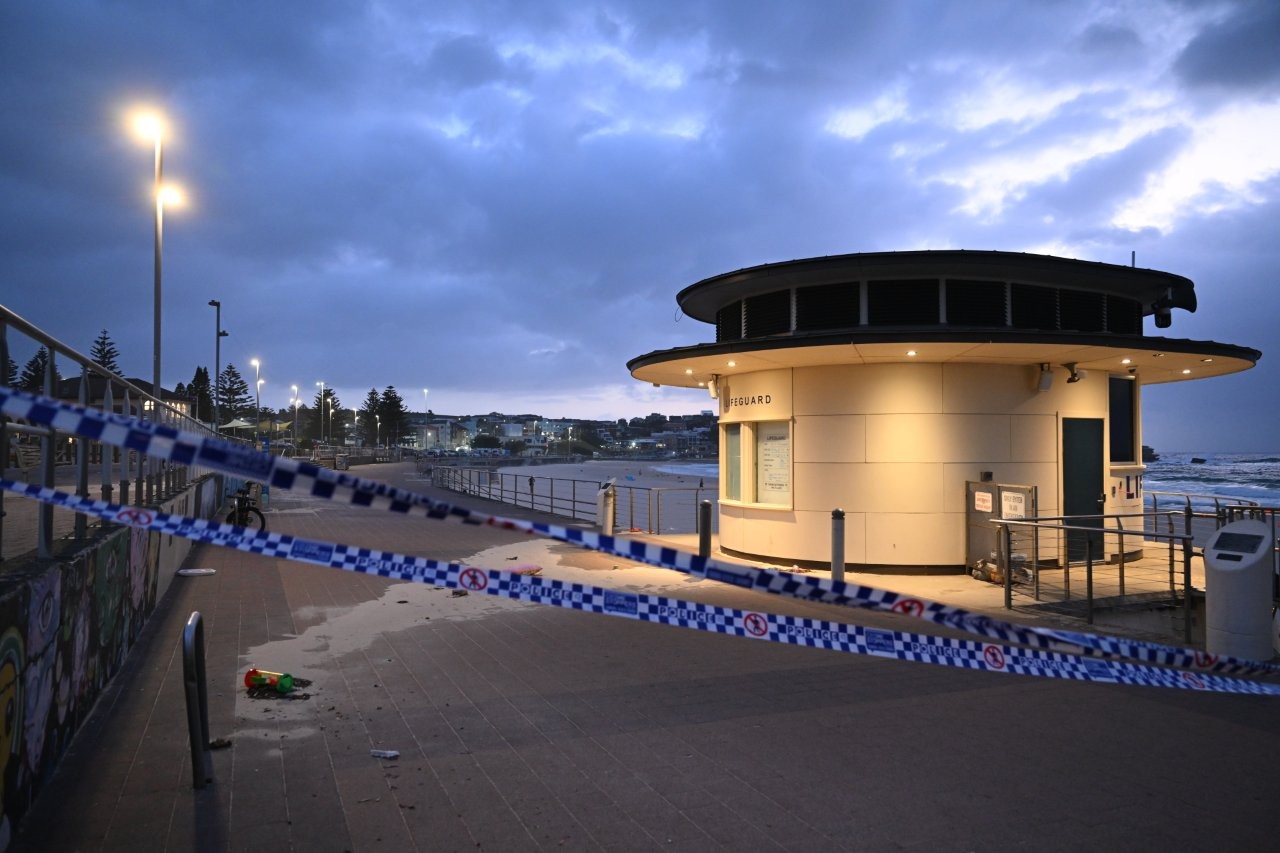
Fifteen people, including a 10-year-old girl, were killed in the attack and 41 people were taken to hospital.
Seventeen patients continue to receive care across several Sydney hospitals.
Ongoing media coverage and distressing and graphic content online can heighten anxiety, particularly for children and young people who may not have the emotional tools to process what they are seeing.
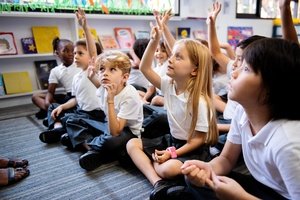
Children as young as preschool age have been asking teachers about “bad guys shooting people”, while parents of teens say social media exposed their kids to terrifying footage, leading to nightmares.
Parents should be open to having multiple conversations with their children to help process what they have seen and heard, clinical psychologist and Swinburne University associate professor Katie Wood says.
“With children it is important to try to simplify the messages even though the situation is complex, so less is best for one moment and then you can come back to it rather than having one long conversation that is difficult to process,” she said.
Vanessa Cobham is a professor in the School of Psychology at the University of Queensland and says when your child (or if you’re a teacher, your student) asks you a question, it’s better to be honest, even if the answer is hard to give or you’re worried about their reaction.
“There is a lot of information and misinformation swirling around. Kids need to feel like they can trust what parents (and teachers) are saying to them,” she said.
“It’s also possible kids will have ideas in their heads about what happened that are even worse than the reality.
“So, it’s important to find out what they think they already know (perhaps from things they have heard from friends or seen online) and gently correct any misinformation.”

Ongoing media coverage and distressing and graphic content online can heighten anxiety, particularly for children and young people who may not have the emotional tools to process what they are seeing.
Wood agrees.
“Children can be exposed to misinformation online, so it’s really important for the adults in their world to make sure they have the correct information and having conversations is part of that.”
Wood said parents and teachers could also highlight stories of bravery and kindness people displayed during and after the attacks.
“By focusing on that with children it provides an opportunity to instil the moral principals we want our kids to have around compassion, respect, kindness,” she said.
Cobham said it’s important to encourage children to think about the police, paramedics, doctors, nurses and bystanders whom all stepped in and did incredible things to help.
“We don’t want kids to come away thinking all people are bad and want to hurt each other,” she said.
“The truth is, most people would not choose to hurt each other and instead would choose to help.”
Getting children involved in actions such as candle lighting or other acknowledgements of the events is also important.
A mother who asked to remain anonymous said her daughter had been allowed to put the school flags at half-mast on Monday morning.
“It made her feel like she had done something to pay respects,” the mother said.
“She really wanted to know how we could help or make a difference and that was one way.”
Parents often worried about saying the wrong thing but should know there was no perfect way to have these conversations, Parentline manager Kim Harper said.
“Being calm, present and available to answer questions is what matters the most,” she said.
“It’s OK to say that what happened was really scary but that it’s also not something that happens very often, and talk about the amazing people who work to keep us all safe.”
Parentline provides free, confidential counselling for parents and carers of children and young people, available every day between 6am and midnight.
“Parents know their kids best so looking out for any big changes in sleeping, eating and behaviour is important,” Harper said.
“If teens have specific questions that are more tricky, research them together and use it as a time to connect.”
The Australian Psychological Society also has resources to help parents navigate these conversations with their children.
Most importantly, parents should ensure their kids are not exposed to a continuous loop of unmonitored news coverage or social media.
Cobham concedes that some families may find it helpful to watch the news together – that way questions can be posed and discussions had.
“But its also important to take a break and not consume large amounts of media on an endless loop, as this is not good for wellbeing,” she said.
“Keep in mind, for younger children, if they keep seeing the footage, they may think this is happening in real time and happening repeatedly.
“Make sure younger children understand that the shooting is over, and – where appropriate – where it happened in relation to where they live.”
Wood said sometimes children can have continuous or delayed reactions to these events, and it’s important to look out for signs of distress such as nightmares or perhaps not wanting to go to the beach.
“If those anxieties persist over time that weren’t there before, then that may be a reason why it would be helpful to bring in a mental health professional,” she said.
(with AAP)
Lifeline 13 11 14
beyondblue 1300 22 4636
Kids Helpline 1800 55 1800 (for people aged 5 to 25)