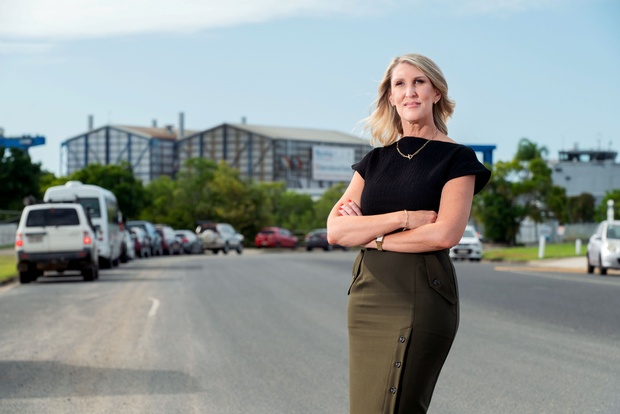
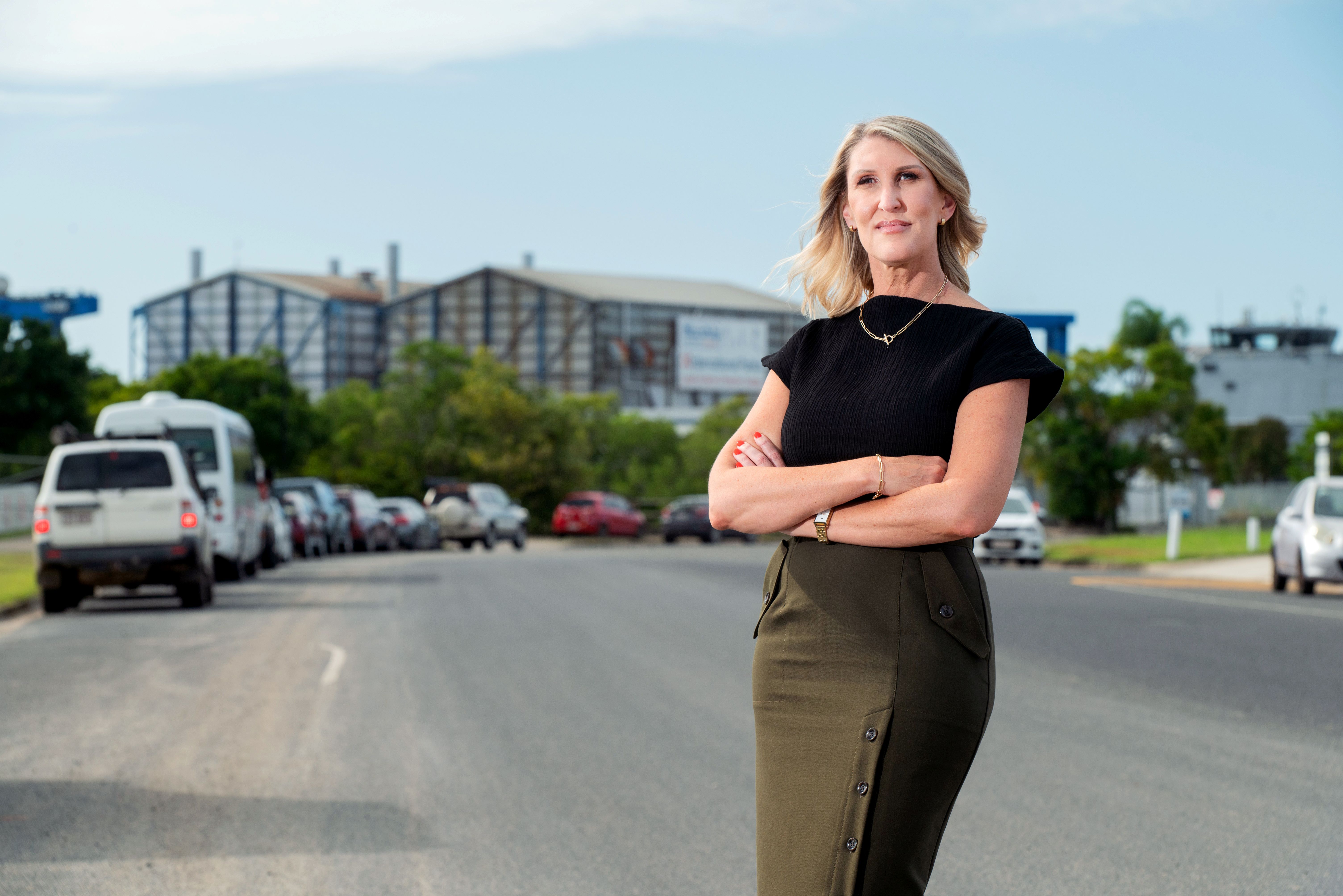
Personal injury lawyer Beth Rolton, a partner at Travis Schultz & Partners in Cairns, tells EducationHQ her comments come without criticism of schools, who are well-meaning in their efforts to manage instances of bullying.
Yet Rolton says her firm is acting in a growing number of cases where online harassment has caused a student psychological injury, disrupting their education and derailing their future.
“We have assisted families where children have stopped attending school entirely, where relocation was the only option to escape ongoing harassment, and where a student’s academic trajectory has collapsed,” Rolton says.
“When those injuries are long-term, and when a school knew the bullying was happening but didn’t intervene, that can amount to a breach of duty of care. In those circumstances, families may have grounds for a personal-injury claim against the school.”
For students in remote and regional areas who are victims of cyber abuse, often there is no alternative public school in the area they can seek out, Rolton notes.
But the social media ban for children under 16 will strengthen expectations on schools to address cyberbullying, and happily, at least from a legal perspective, it will provide far clearer ground for school leaders to act on concerns about online behaviour, Rolton adds.
“Historically, I think schools have tried to deal with the issue of cyberbullying and use of phones and access to platforms themselves, and come up with their own specific rules and policies that relate to their particular school or district.
“But I think this now really gives clear authority that they can actually act on any concerns that are coming about through online behaviours, online bullying – there’s very clear rules about what the boundaries are.
“And so schools are in a better position to act and intervene when students are now going to be illegally using these platforms…”
Rolton taught in the secondary school system for ten years, back when flip phones reigned and cyberbullying was a thing of the future.
“It was a different environment. There were no smartphones ... it was the dial-up internet (era).”
These were much simpler times for schools, she suggests.
“I was really lucky that I was teaching in a time where we didn’t have these concerns.
“And I absolutely take my hat off to teachers and schools and how much they have to do now, and (I know) how their obligations just get broader and broader.”
Above all, schools should remember that their duty of care doesn’t stop at the school gate, Rolton emphasises.
“It wasn’t so long ago that we really weren’t talking about this. [Cyberbullying] was such a foreign concept for schools, we really have to be relevant, keep up to date, move with the times. And it’s not just about educating students, its about keeping them safe in this very fast-moving world.”
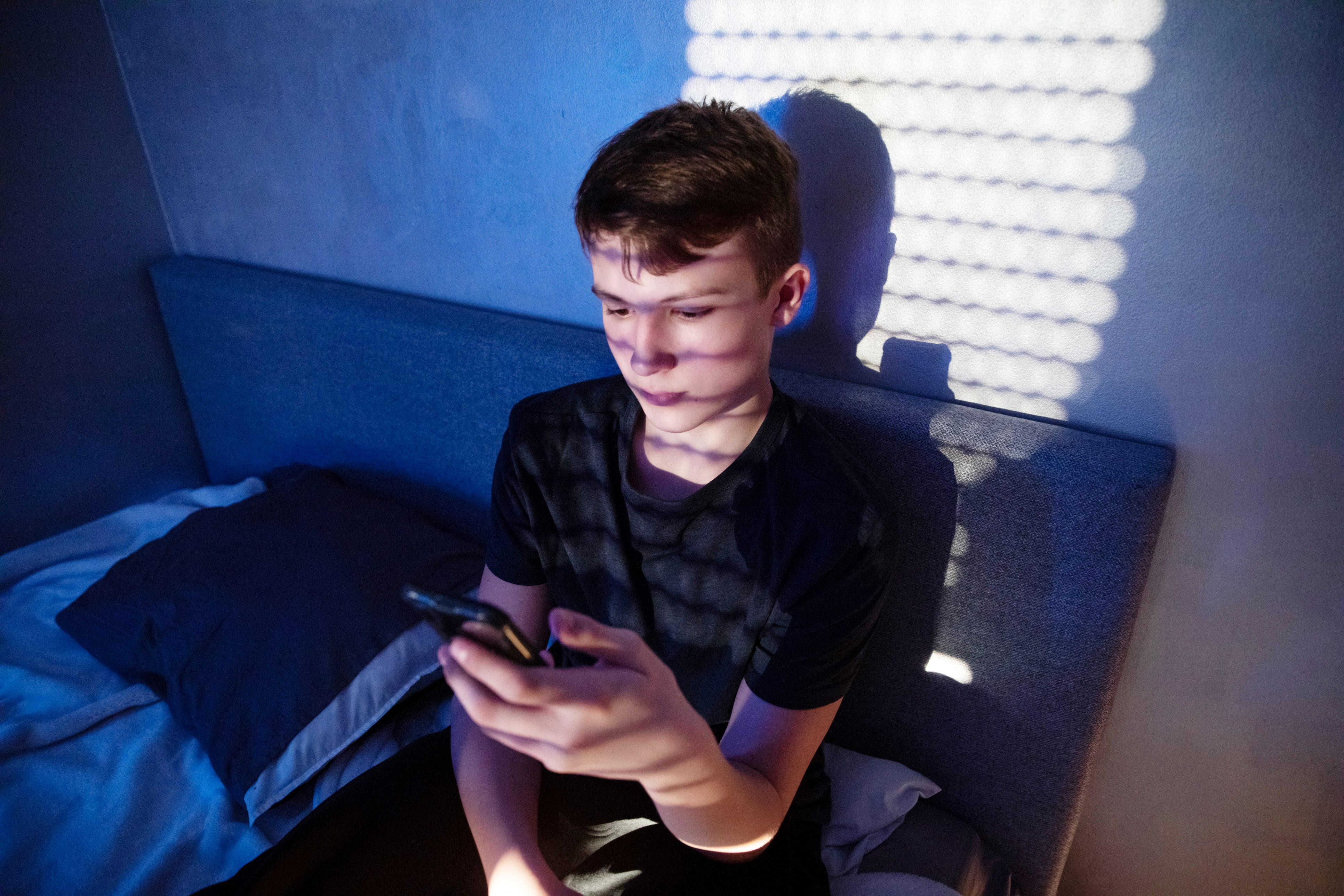
AI is ‘supercharging’ the cyberbullying problem impacting schools, Federal Education Minister Jason Clare has said.
According to Dr Alice Chang, a child and adolescent psychiatrist in Far North Queensland, the social media ban only highlights the urgent need to better support schools who are already on the frontline of managing the psychological fallout caused by online bullying.
“The under 16 social media ban is a positive step, but it won’t work on its own,” Chang says.
“Removing the trigger can improve a child’s wellbeing – it’s the digital equivalent of taking the bullies out of the playground – but schools already carry the weight of so many policies and difficult conversations that families struggle to have. The (Federal) Government has a responsibility to ensure schools are ready for this next step.”
Chang says children are not developmentally equipped to handle the intensity of online environments, arguing that earlier limits here are a good idea.
“Children under 16 lack the cognitive and emotional maturity to interpret online interactions safely. We’re seeing anxiety, social withdrawal, sleep disruption, school avoidance and, in severe cases, self-harm.
“Younger children can present with physical symptoms of anxiety – stomach aches, headaches or noticeable drops in concentration – while older teens may experience persistent low mood, intrusive thoughts and, in some cases, suicidal ideation.”
Online harm is often more damaging than face-to-face bullying because it can be incessant and also amplified by technology, she flags.
“Online bullying doesn’t switch off. As long as a child has access to a device, it follows them home, into weekends and even internationally on family holidays.
“Bullies behind screens don’t have to witness their victim’s reaction, which removes the natural empathy barrier and often leads to far more cruel behaviour – and children can experience distress or even secondary trauma simply by watching these events unfold online.”
Following a rapid review into school bullying, in October the Federal Government announced that achools will have two days to respond to a bullying complaint or incident under a new $10 million national plan to address the escalating problem.
Speaking on Weekend Sunrise at the time, Federal Education Minister Jason Clare said parents had made it clear about what is working well – and what isn’t – on this front.
“…mums and dads told us that often it takes just too long for the school to act and that the earlier we act, the more chance we’ve got of nipping this in the bud and stopping the bullying from happening,” he said.
“I think this is something that every mum and dad worries about. I know I do. And the terrible truth is it’s getting worse, not better.
“The internet is a big part of that. It’s not just push and shove in the playground today. Bullying can follow you all the way home and you can get bullied day or night, and anyone can see it. It’s worse than that…”
AI is ‘supercharging the problem’, Clare added.
“We heard stories yesterday from the eSafety Commissioner, not about children bullying other children, but AI chatbots, artificial intelligence, bullying other children, telling them they’re losers, telling them to kill themselves.”
Ministers also heard of stories of children in other countries “killing themselves because artificial intelligence told them to”, Clare said.
“So, that’s how terrifying this is.”
For Rolton, the combination of the two-day response rule and the social media ban will actually empower schools and lead to better outcomes for all.
“[It really helps to set that minimum benchmark of [schools are] expected to do. And they don’t have to guess what’s the best approach, it’s set out in black and white ‘this is what you have to do’.”