


The findings are no real surprise, and in response, South Australia is stepping up its game to tackle the gender gap in sport, launching the Gender Play Gap Guidelines, designed to help clubs bring girls and young women back into organised sport and keep them in it.
Flinders University’s PhD student and lead author of the study, James Kay says the guidelines are designed to help clubs respond to the lived experiences of young women.
“Our research shows that girls often leave sport because they don’t feel supported in the organised sport environment,” Kay from the College of Education, Psychology and Social Work, says.
“These guidelines offer a way forward by helping clubs and sport organisations create spaces where girls feel welcome, respected, and inspired to return.”
The study and resultant guidelines follow a study undertaken earlier this year by Kay and a team of researchers that reviewed existing data on interventions to engage female adolescents in organised sport, that revealed a striking lack of research on girls’ sport engagement.
The recommendations focus on four key areas: targeted communication, fostering social connection, promoting equity and inclusion, and futureproofing clubs and organisations for future success.
Actions include exploring more flexible participation options, creating women-oriented spaces, and supporting the development of female coaches and officials through discounted accreditation and mentoring.
Kay says schools are a massive part of the puzzle, and while the guidelines are aimed mainly at community sport, school-age children spend the vast majority of their time in a school setting, so it’s always “really important”.
“Schools obviously have a captive audience to an extent,” he tells EducationHQ.

PhD student James Kay says the new guidelines offer a way forward by helping clubs and sport organisations create spaces where girls feel welcome, respected, and inspired to return.
“They have that position where, some schools have mandatory sport up to a certain age, and that may be a way that they can retain girls in sport for longer.
“However, we also very much advocate that if kids want to drop out, then almost allowing them to come and go from sport as is natural to them is often a better way than just kind of forcing them to stay in until they’re a certain age, because then they’ll just get fed up and leave as soon as they can, so yeah, it’s a tricky balance, but I know some schools have different strategies for that.”
The recommendations focus on targeted communication, fostering social connection, promoting equity and inclusion, which are all easily applicable in a school setting.
“Particularly probably social connection and equity and inclusion,” Kay shares.
“There’s a lot of students that will experience the kind of thing where, for example, girls that want to play football or soccer, or those sort of typically male-dominated sports that just wouldn’t have the structures in their school, so yeah, it’s tough from a position as not being a teacher.
“Obviously, I don’t know the exact barriers that some of them face, and I wouldn’t want to say, ‘oh, you need to have girls competitions for everything’, because teachers might turn around and say, ‘well, that’s just not something that we’re able to prioritise’, but where possible, making sure that those competition structures are equitable is definitely something I think we can try and get schools to take the lead on.”
The study's recomendations tailor well for school settings.
“Potentially in PE or within school sport can enhance some of those more flexible options, or not even flexible, but a more diverse range of activities, which I know schools can be quite good at.
“A lot of girls will have been fed the same menu of sport throughout their lives – netball, tennis, hockey, and so on. There’s not a lot else. So I think schools are really encouraging their entire studentship to sample a range of sports, and that can often be enough for girls to really find something that they like.
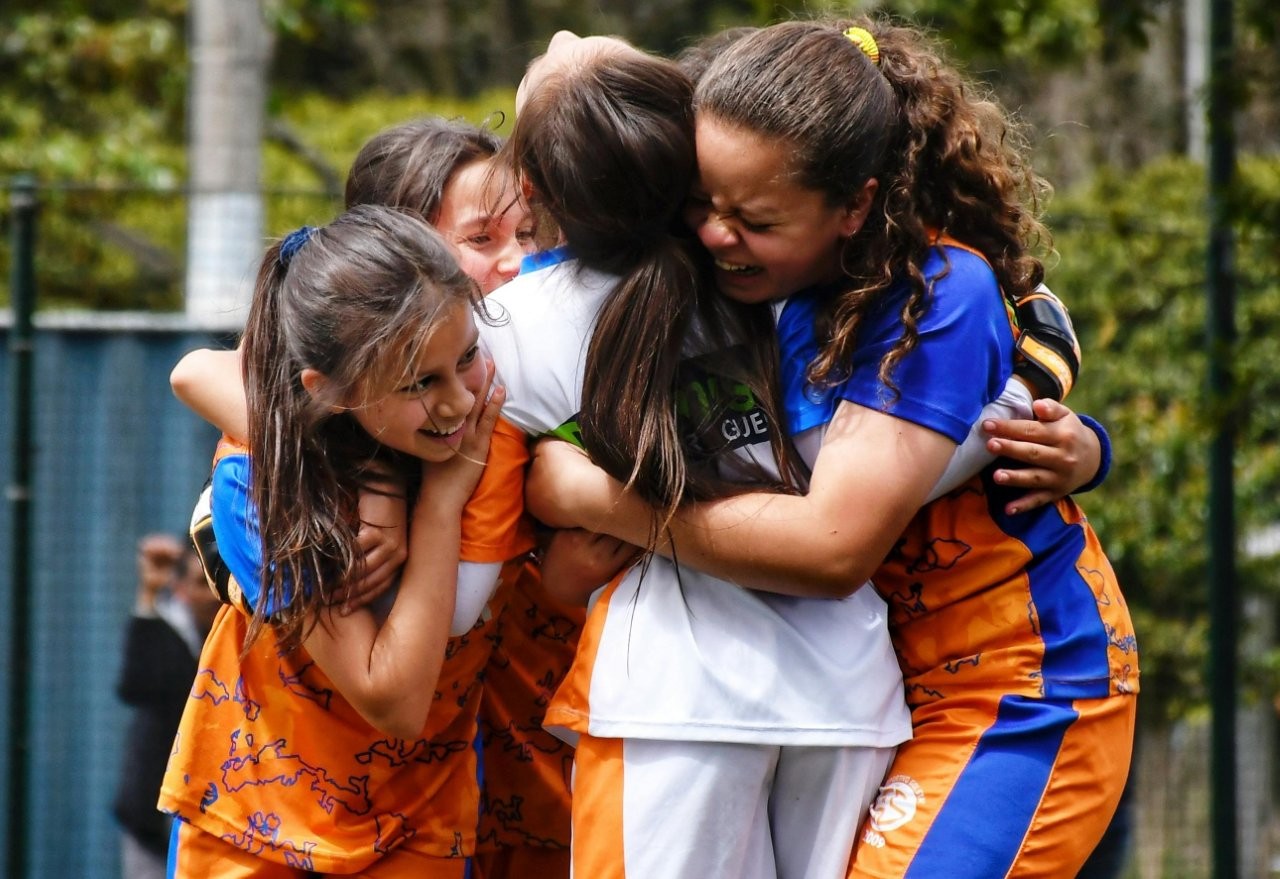
“When we support girls in sport today, we’re not just building future athletes – we’re building stronger, more confident women for tomorrow,” SA Assistant Minister for Junior Sport Participation, Rhiannon Pearce says.
“And then being able to have those partnerships with clubs as well, so that if you do a few weeks in PE on softball or whatever it is, then there’s those links that girls can then continue that outside of a school environment, because obviously, there’s a lot of changing priorities in schools as girls grow older, where they’re focusing more on exams and things like that.
“So if they have that ability to pursue some of those things that they’ve enjoyed outside of school, then those partnerships can be really effective.”
The gender player gap guidelines complement broader State Government measures, such as The Power of Her – Infrastructure and Participation Program, which has seen some encouraging success in South Australia.
South Adelaide Basketball Club, where the ‘Hoops & Her’ initiative is creating new opportunities for girls aged 13 to 18, is one club already embracing these principles.
Funded by SA’s Office for Recreation, Sport and Racing, the 10-month program is designed to build confidence, leadership, and community among young female athletes.
It includes skill-building clinics, introductory coaching and refereeing pathways, mentoring sessions with South Adelaide’s NBL1 Women’s team, and wellbeing workshops delivered in partnership with local health professionals.
Kay says initiatives like ‘Hoops & Her’ are exactly what the guidelines aim to inspire.
“This program shows what’s possible when clubs listen and respond to the experiences of young women,” he says.
Club General Manager Simon Crowden says the program was developed to help keep girls engaged in sport during their teenage years.
“We see a dramatic drop off in the number of girls aged 13-16 years playing basketball and we want to try and address this in an engaging and empowering way,” he said.
“It’s not just about improving basketball skills – it’s about fostering a sense of belonging and opening doors to future opportunities in coaching, officiating, and personal development.”
Kay says the whole government focus on women’s sport is definitely having an impact.
“The guidelines were also released alongside an equal access policy and some inclusive uniform guidelines as well,” he says.
“So between the three policies and guidelines, it provides a good suite of resources, I guess, to try and encourage more of a gender inclusive sport environment.”
The full Gender Play Gap Guidelines are available here.