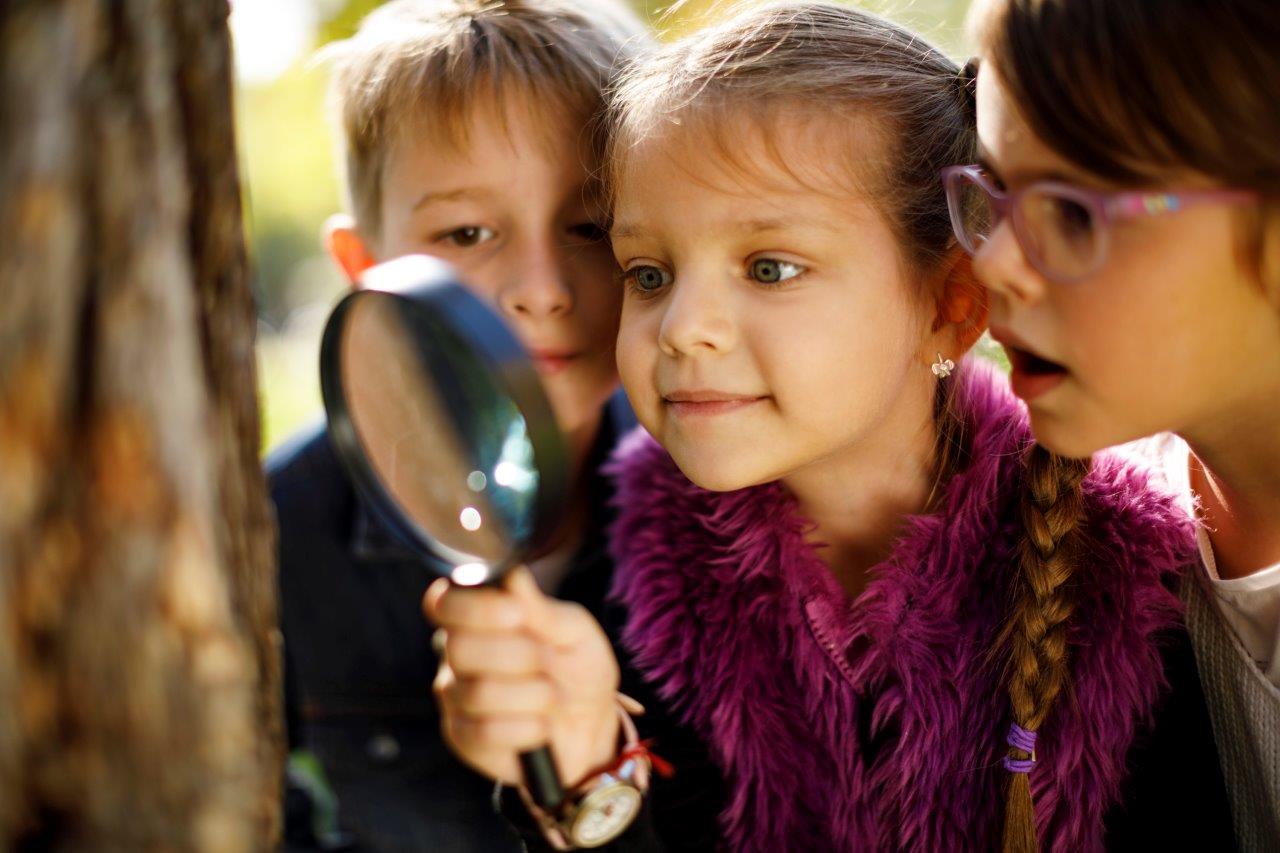
Spending time outdoors has been proven to be beneficial for reducing myopia risk amongst children, however outdoor play is on the decline, with research from the Victorian Government and peak play national advocacy organisation Play Australia noting that 50 per cent of kids reported not being allowed to play outside alone or with friends at various times.
The State of Play 2025 report is the first of its kind to be undertaken in Australia and brought together insights from survey data, research and interviews with industry leaders and experts who are working across a range of areas that intersect with children and their right to play.
The report revealed a quarter of Aussie kids say they need improvement in the opportunities to play outside and hang out with friends.
Optical optometrist Karen Makin says childhood myopia (also known as near-sightedness) rates have been on the rise, especially in the years following the COVID pandemic, with fundamental changes to children’s lifestyles lingering well beyond lockdowns.
“We continue to see more and more parents coming in to report that their children have been having trouble in the classroom as a result of vision problems,” Makin says.
“While factors such as genetics play a significant role in the development of myopia, the common thread amongst many of these new cases is more time in front of screens and less time spent playing outdoors in natural light, which improves contrast sensitivity, reduces eye fatigue, and stimulates dopamine release in the retina, which helps regulate eye growth.”
A study from June last year by Macquarie University found secondary school students averaged around nine hours daily on screens, while primary students spent approximately six hours.
This is despite Federal Government recommendations that for young people aged 5-17 years, it is recommended they have no more than two hours of sedentary recreational screen time per day.
“While there is a growing trend towards more schoolwork being undertaken online or via devices, we are concerned that recreational time has followed suit, with time spent gaming, on social media or watching entertainment on smart devices at the expense of time spent playing outside,” Makin shares.
“While physical conditions are often easier for parents to spot, vision problems can be much harder to detect.
“That’s why we [in the industry] recommend yearly eye-tests for children ahead of the school year to ensure any issues are detected and addressed early,” she says.
Along with special purpose glasses and contact lenses to help control myopia progression, other ways optometrists can treat myopia include through Orthokeratology.
This is a form of vision correction where hard contact lenses are worn overnight while sleeping and are fitted such that they change the shape of the cornea, resulting in clear vision when the lenses are removed in the morning, as well as keeping the progression of myopia in check.
“But we would much prefer a child didn’t get to the stage of needing vision correction and myopia management, so send your children out into the backyard to play,” Makin says.