Dr Selena Fisk, a former teacher turned school data expert, has a bone to pick with those curating the agenda of PD conferences targeting teachers and school leaders: where are the women ‘experts’ in your programs?
It’s an issue Fisk says she’s noticed for some time.
“Whenever I get an email about professional learning … I always look at the gender balance.
“I first wrote something on LinkedIn highlighting this problem about two years ago, and the fact that 72 per cent of our profession is female.
“So, I often will look at whether the breakup (of speakers) is 50/50 as a bare minimum.
“But then obviously it's not reflective of the workforce, if it's not 72-ish per cent,” Fisk tells EducationHQ.
Recently, another email landed in Fisk’s inbox advertising an upcoming conference.
Scouring the promotional material, Fisk says she felt a sense of rage rise once again.
“There were three speakers highlighted, and all were men,” she says.
Unleashing on LinkedIn last week, Fisk called this out in a pointed post that’s since gained some 38,000 impressions – and counting.
“Can we PLEASE talk about the gender inequity in some conference programs? Warning: this is a rant!” the post begins.
Fisk says she can’t believe this problem still persists.
“Like, are we still doing this in 2025? And how are people not calling it out?
“I get that ‘unconscious bias’ is unconscious, but how are there not checks and balances in place to make sure that organisations are not putting that type of thing out into the world?” she laments.
Gender quotas ought to be introduced in the education event sphere to counter the in-built bias at play, Fisk argues.
“I really advocate for quotas, because there are so many great women – and quotas for minority groups and the voice of First Nations and people with a disability. We've got to be representing everybody fairly.
“And while there is some criticism of quotas, I think they've got real potential to get us to think outside of our unconscious bias about who else we could get onto the stage, and who we could hear from, when our default is obviously to look for the people that look like us.”
Fisk emphasises that she’s not speaking in blanket terms here. There are indeed some sectors that are nailing the representation of women in their events – but these are clearly in the minority, she says.
“So often, because men are in those school leadership roles, they end up in influential roles, organising conferences, or on boards that are helping organise conferences.
“I was looking at an association's board yesterday, and there were ten members and two of them were women – so if that association was going out to organise a conference, we know that our unconscious bias means that we [seek out our own].”
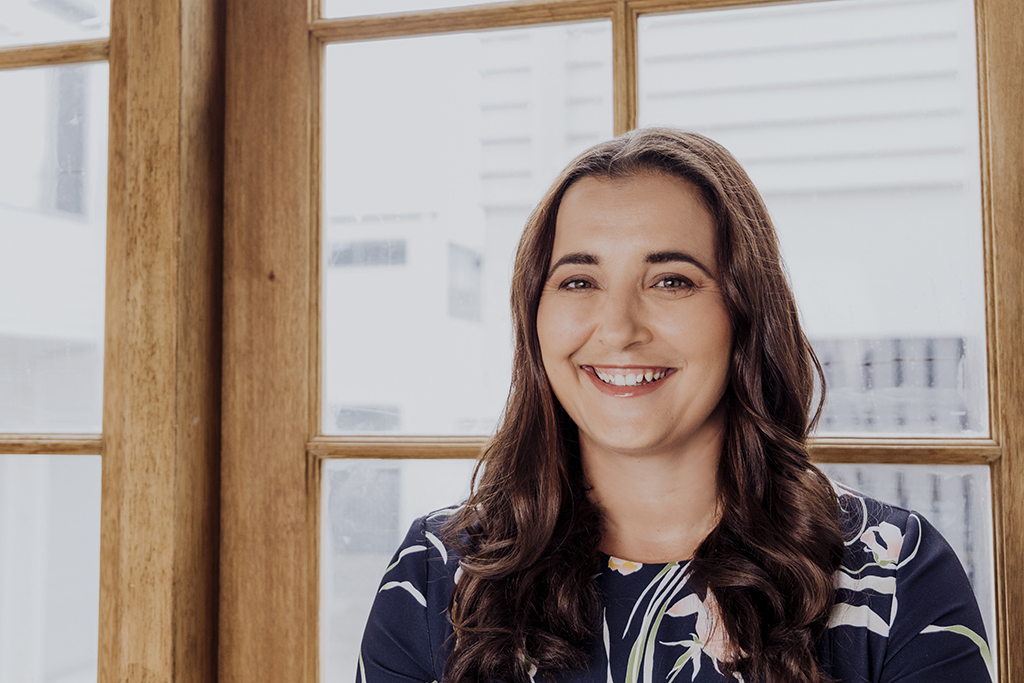
Dr Selena Fisk wants to see swift change in PD programs around the country.
Fisk stands by her argument, even turning down invitation to attend conferences where the program doesn’t check out from a gender equity perspective.
Around 18 months ago she was approached about one such event, but was forced to decline on these grounds.
“I was sent the multi-page brochure and there were six men pictured on the program and there were literally no photos of women,” she explains.
“I pointed that out, replied and said, ‘thank you for the invite, but I can't possibly support this event when it's so blatantly male dominated and all of the keynotes are men’…”
Where women were included in the lineup, they ran smaller workshops and often were presenting in pairs or in groups of three, Fisk adds.
“The number of sections that actually had women in it was very low, it might have been 20 per cent of the program.”
Fisk did a headcount of all presenters listed and found only about one third were women.
“The organiser replied to me and said, ‘It's a shame that you think that. Actually, our program is 50 per cent female’, and it was just a blatant lie … the conversation just ended at that point.”
While some might suggest that women’s underrepresentation at education events might be explained by the research-backed theory that women are less likely than men to want to speak as an ‘expert’ on something unless they feel 100 per cent qualified to do so, Fisk says this justification feels like something of a cop out.
“I don't know the breakdown of women who are applying for workshops in conferences, but panels and keynotes are at the discretion of the conference organiser, so that decision is up to them.
“You never pitch to a conference to keynote, you pitch for a workshop.
“And to be honest, there's some organisations that have done the workshop balance really, really well, so there's good evidence out there that it can be done – and there's really exceptional women applying for workshops with really great contributions.”
The huge engagement and feedback Fisk has seen with her recent LinkedIn post suggests she’s not the only one that is unhappy with event organisers.
She wonders how many of the 38,000 viewers are forced to stay silent on the issue due to fear of repercussions from their employer.
“I think it just really highlights the need,” she says.
“I'm lucky that I work for myself, so I feel like I can be pretty outspoken on social media and I can voice my opinion.
“But equally, I know that when I was employed 10 years ago in a school, if I had seen that post on LinkedIn, I'm not sure I would have been able to – or been confident enough to – like it or engage with it or comment on it, because I'd be worried about the consequence and the knock-on effect…”
Analytics aside, Fisk wants to see swift change in PD programs around the country.
“Ultimately, and it's not just for education, obviously, but the people who are speaking at the conference need to fairly and accurately represent the demographics of the workforce.
“So, in the education sector … 72 per cent of the people presenting workshops, keynotes, who are on panels, should be women.
“And in the same way, we should also be looking at minority groups and thinking about how we include those, and whether that means quotas.”
To event organisers wondering how they can move away from seeking out male keynotes by default, Fisk says it’s simply a case of widening your talent pool.
“You've got to have a strategy for who you go to, and who you get information from to learn more about who's out there already speaking on that topic, who's got expertise in the area.
“Like, it's not hard. If you're really struggling for ideas, you could post on LinkedIn and ask, ‘who speaks on this topic in this field?’
“You'll probably get hundreds of people replying to a post like that.”