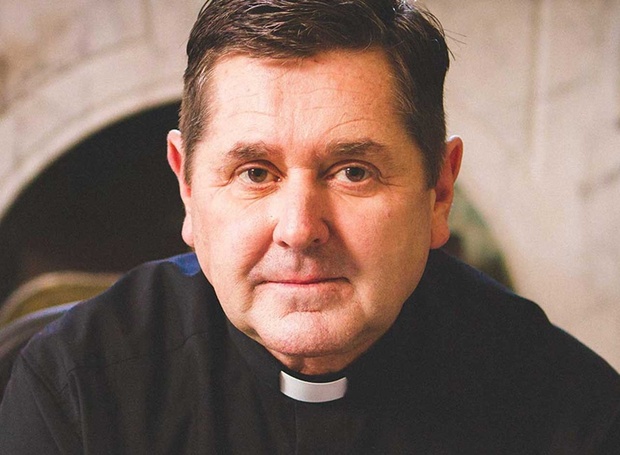
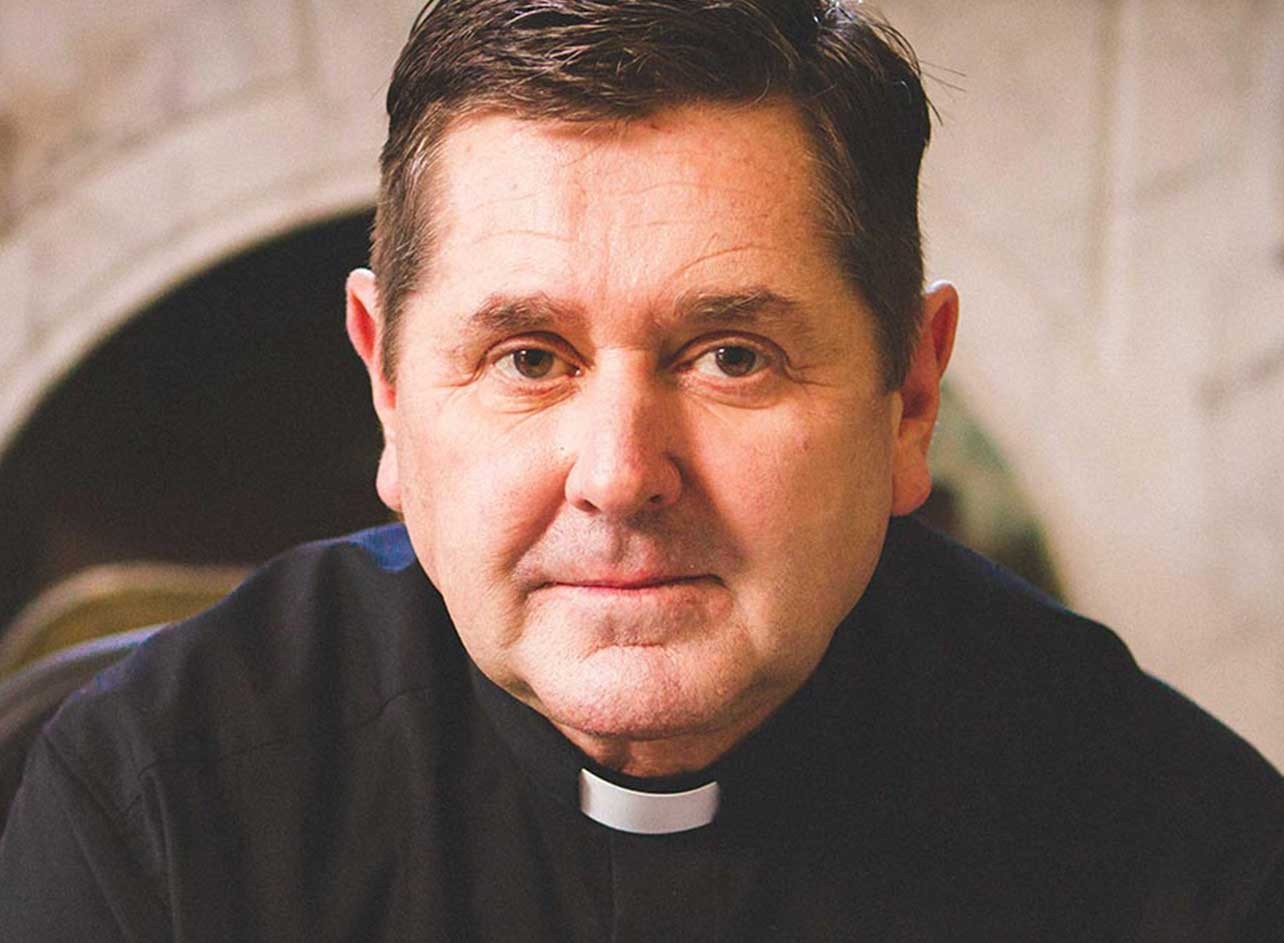
Founding Youth Off The Streets in 1991, he turned a single food van in Kings Cross in inner Sydney into a lifesaving network of crisis accommodation, counselling and other wrap-around support services providing around 1600 homeless youth with housing and around 1200 First Nations Australians with support each year.
Prime Minister Anthony Albanese remembered Fr Riley as a “good friend” with “a heart as big as the country”.
“He gave hope to young people doing it tough and never gave up on anyone.
“… his legacy will live on in the lives he changed.”
NSW Premier Chris Minns paid tribute to the priest’s “visionary” work that changed the lives of thousands of young people across the state.
“Father Riley believed there is no child born bad, only circumstances to overcome, and he spent over three decades proving that with compassion and opportunity, young lives can be transformed,” he said.
NSW Opposition Leader Mark Speakman said NSW had lost “a quiet giant,” and someone who provided, “tens and thousands of young people… a sanctuary and a second chance.”
“Fr Chris Riley didn’t just serve the young and vulnerable, he gave them back their future,” Speakman said in a statement
“Where others saw brokenness, he saw potential. Where others walked away, he leaned in,” he said.
Father Chris Riley had a heart as big as the country he served.
— Anthony Albanese (@AlboMP) August 1, 2025
He gave hope to young people doing it tough and never gave up on anyone.
He was a good friend and his legacy will live on in the lives he changed.
In 1996, Fr Riley opened Key College in the inner-city Sydney suburb, Redfern, which became the first Youth Off The Streets school for youth who had disengaged from mainstream education.
He went on to open six independent high schools across Sydney, as well as in the Illawarra and the state's central coast.
Serving as the organisation’s chief executive for three decades, Fr Riley had the ear of several prime ministers, including Julia Gillard, and prominent movie stars such as Eric Bana, who lent their support as ambassadors to Youth Off the Streets.
The group has grown to a staff of more than 200 and 330 volunteers across NSW and Queensland.
In 2020 Fr Riley stepped down from his role as YOTS CEO after nearly 30 years serving in the role.
In an interview with The Catholic Weekly several years ago, not long after almost dying from diabetes-related complications, Fr Riley expressed his desire to continue to help kids living on the streets.
“I was dying, my body was shutting down, and everybody was sure I was going to die,” he said.
“But I was born for this, and my life without helping the kids doesn’t really mean that much to me to be honest.
“As long as I have the kids, I am incredibly rich, they’re all I need to keep going.”
Devastating news that Father Chris Riley has passed away.
— Jason Clare MP (@JasonClareMP) August 1, 2025
He created @YOTSAustralia that has saved and changed the lives of thousands and thousands of young Australians.
It was an honour to call him my friend. pic.twitter.com/p3Mznq4BiP
YOTS chairperson Anne Fitzgerald paid tribute to Fr Riley’s relentless desire to help New South Wales and Queensland children overcome their living situations.
“[He] was a tireless advocate for homeless and disadvantaged youth, and he inspired and changed thousands of young lives,” she said.
“Fr Riley will be remembered for his compassion, tenacity and unwavering belief that every young person deserves the chance to reach their full potential.”
Judy Barraclough, CEO of Youth Off The Streets, said Fr Riley’s dedication to supporting and empowering young Australians in need has left a powerful legacy.
“His vision, drive and determination will continue to inspire our organisation as we strive to provide growing numbers of disadvantaged children and young people with safety, support and education for a better future.”
About half of all homeless people in NSW are under the age of 24.
More than 17,000 young people were helped by specialist homelessness services in the state in 2023-2024.
Fr Riley was appointed a Member of the Order of Australia in 2006 for his service to disadvantaged young people.
That year he also received the Human Rights Medal from the then Human Rights and Equal Opportunity Commission.
He was NSW’s nomination for Australian of the Year in 2012, eventually won by Oscar-winning actor Geoffrey Rush.
He also courted controversy in 2011 after taking part in a gaming industry campaign against poker machine reforms that would have set bet limits.
Fr Riley at the time argued education and counselling, not legislation, was a better way to help problem gamblers.
(With AAP)