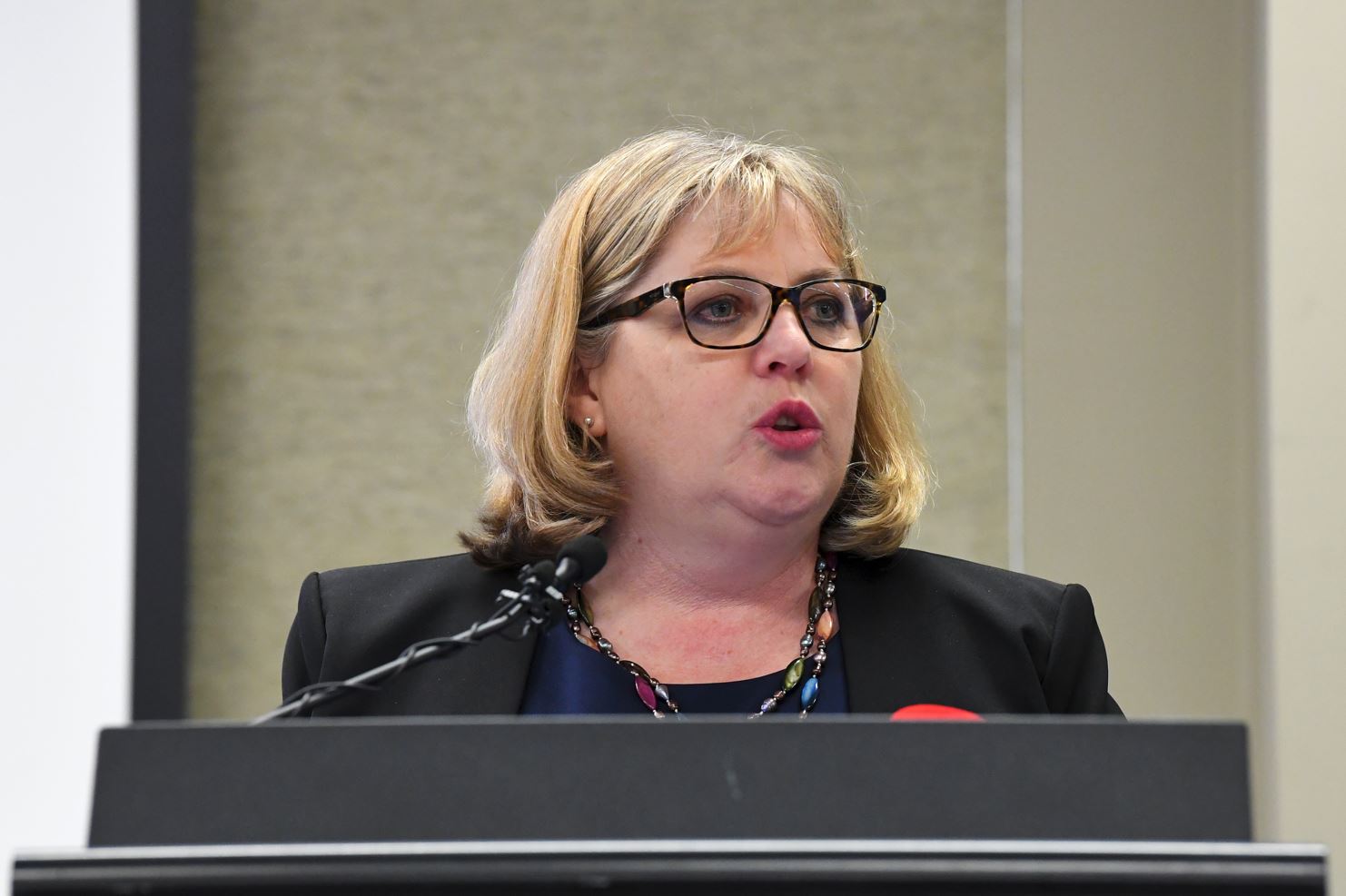
The inquiry, chaired by former AEU and ACTU president Sharan Burrow AC, will examine the current state of public school infrastructure across the country, assess future needs and recommend long-term funding and policy reforms to deliver future-ready schools in every community.
It follows a new report from the union revealing a deep and growing divide in school infrastructure funding, which says private schools are spending billions on capital infrastructure while public schools are being left behind, with no ongoing Commonwealth capital funding since 2017.
Released last week, the report titled The building divide in Australian schools: How capital funding fuels educational inequity, alleged that over the past decade private schools have outspent public schools on capital works by $38 billion, including $5.4 billion in 2023 alone.
It suggested that capital investment in private schools averaged $2746 per student per year between 2014 and 2023, compared with $1237 per student in public schools.
This inequity, the union claimed, is fuelled by a lack of federal funding for capital investment in public schools.
In a statement last week, AEU federal president Correna Haythorpe said elite private schools are spending hundreds of millions of dollars on castle-style libraries, Olympic-sized swimming pools, rooftop sports courts and multi-storey innovation centres, while the Commonwealth has provided no ongoing capital funding stream for public schools since 2017.
"Too often, temporary solutions like demountable classrooms have become permanent solutions. Teachers can’t effectively prepare students for the future in classrooms and facilities built for the past,” she said.
Launching the inquiry in Adelaide yesterday, Haythorpe said public schools are essential national infrastructure and must be treated as such.
“Public schools are at the heart of every community. They shape our nation’s future, and they deserve long-term, coordinated investment that matches their importance,” she said.
“This inquiry will gather the evidence of unmet needs across Australia. We want to ensure every child, no matter their postcode, has access to high-quality learning environments that support their success.”
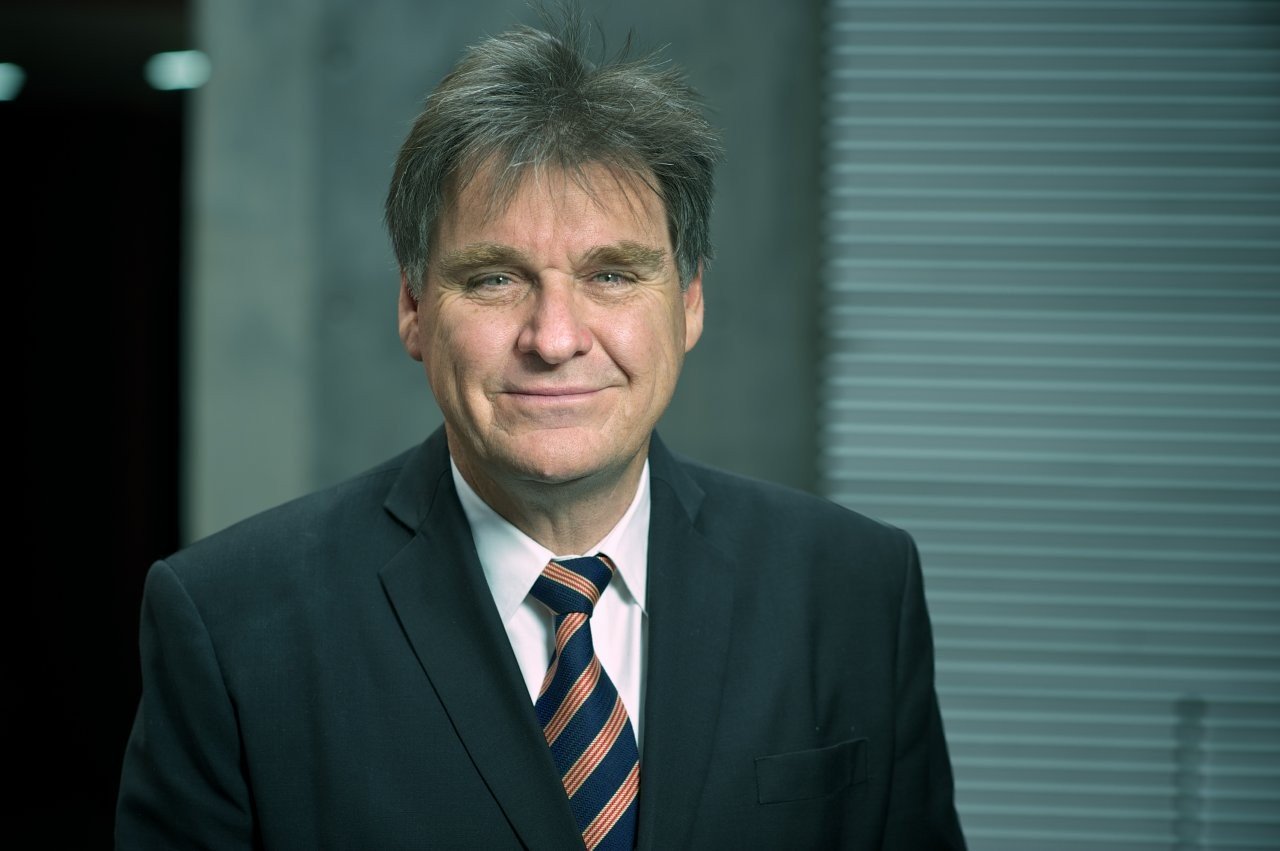
Inquiry deputy chair Maurie Mulheron was a teacher and principal with 34 years of experience teaching in public high schools in rural, regional and metropolitan NSW. He’s now the Director of the Centre for Public Education Research.
The inquiry will consult widely with principals, teachers, education support staff, families, governments and community organisations.
It will also engage with groups representing Aboriginal communities and Torres Strait Islander communities, students with disability, and rural and remote Australians.
Burrow brings decades of experience to her Chair role, with a noted career of advocating for equity, strong public institutions and long-term nation-building reform.
She will be joined by deputy chair, former NSWTF president, Maurie Mulheron.
Haythorpe said the inquiry comes at a critical moment.
“While we have a national framework for recurrent school funding, there is no equivalent national strategy for public school infrastructure and no permanent Commonwealth capital funding stream,” she noted.
“With the Commonwealth abandoning capital works funding in 2017, states and territories are going it alone. Investing in public school infrastructure is one of the most effective ways to lift outcomes and strengthen equity across the system.”
More than 2.6 million students attend Australia’s public schools, with enrolments having grown significantly over the past decade. Population projections point to continued growth in school-age children.
Student needs are becoming more complex, Haythorpe said, with rising numbers requiring additional learning, wellbeing and disability supports.
Infrastructure, she shared, must keep pace with these realities.
“Teachers are delivering extraordinary work with increasingly diverse and complex student needs.
“They deserve state-of-the-art facilities that complement the high-quality teaching they provide.”
Improved capital works, she said, are not just about great buildings.
“It’s about inclusion, wellbeing and opportunity. If governments are serious about improving student educational outcomes then investing in infrastructure must be on their agenda.”
The AEU hopes the launch in Adelaide will provide the impetus for the start of a constructive national conversation.
“This is a nation-building project. It’s about planning not just for the next budget cycle, but for the next generation,” Haythorpe said.
“Investing in public school infrastructure is one of the most effective ways to lift outcomes and strengthen equity across the system.
“Every child deserves to learn in a school designed for the future, not the past. Through this inquiry, we are inviting governments and communities to work with us to make that vision a reality.”