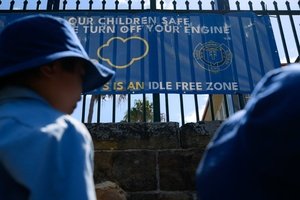
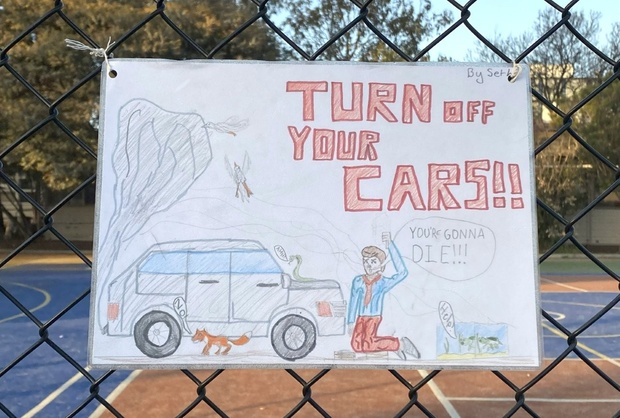
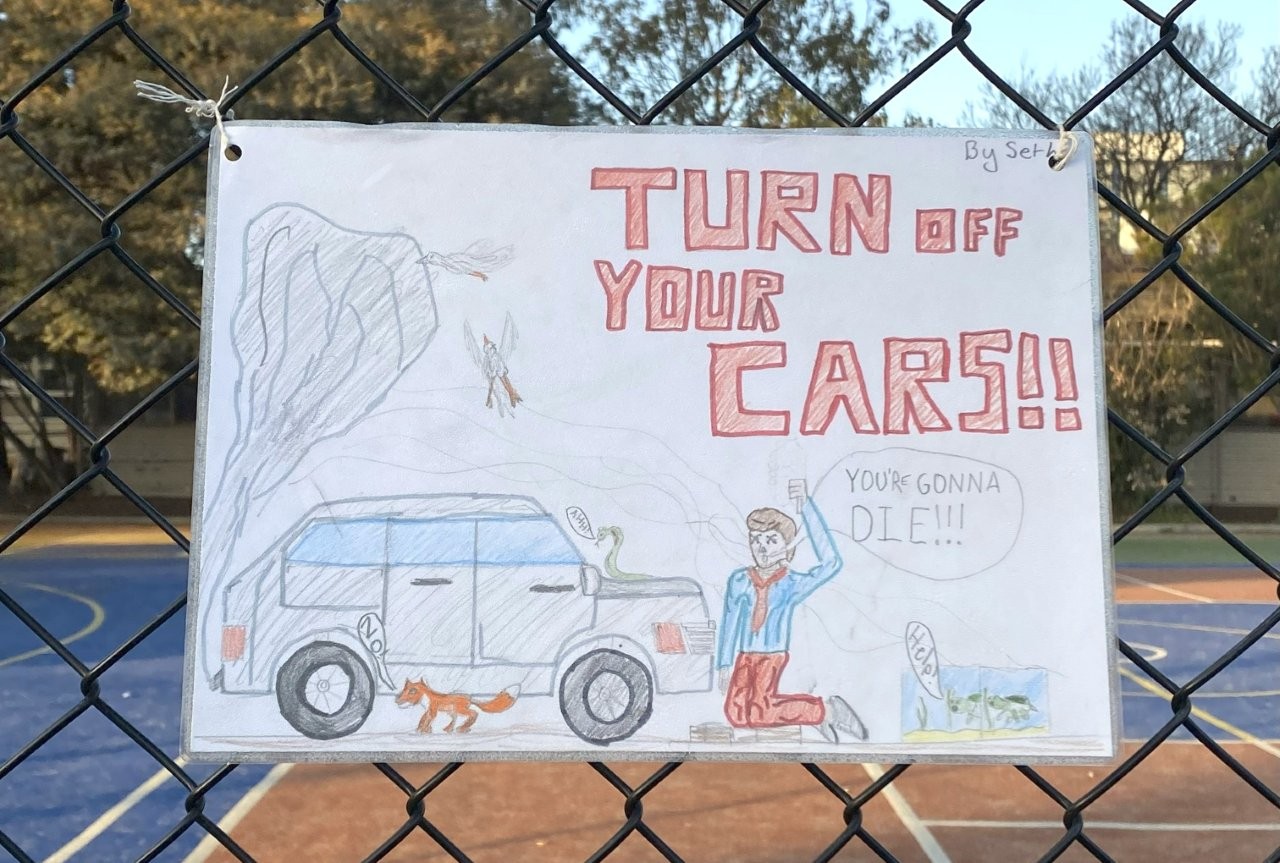
The ‘Idle Off’ pilot study, facilitated by PhD candidate Aria Huang from Deakin University’s School of Psychology, saw a 40 per cent reduction in car engines left running as children urged parents to turn off the ignition when they parked close to school every morning and afternoon.
In the initiative, 40 Grade 5-6 students took part in three education sessions focusing on air pollution, advocacy and evaluation of students’ effort.
Idling observations, surveys, focus groups with students and interviews with parents were also undertaken by researchers.
Huangs says the pilot aimed to build students’ awareness about air pollution and encouraged them to become effective change agents in their own communities to reduce car idling.
“Our Idle Off pilot shows that when children are empowered through engaging, hands-on environmental education, they can influence community behaviours,” Huang says.
The pilot study was delivered in two primary schools in Melbourne’s inner west, where idling dropped by 18 per cent during morning drop-off and a staggering 40 per cent during afternoon pick-up, leading to improved air quality and reduced carbon emissions in the vicinity of the schools.
Dr Clare Walter, an air pollution expert working across Deakin and the Climate Catch Lab at the University of Melbourne, says idling vehicles near schools can significantly increase children’s daily exposure to air pollution, triggering childhood asthma - the leading chronic disease among Australian children.
“Similar initiatives internationally have led to measurable reductions in air pollution concentrations and improvements in children’s lung health,” Walter says.
“But Australia lacks an effective public campaign to reduce car idling which is an easy, low-cost action with immediate health and environmental benefits.
“Idle Off highlights the potential of low-cost, scalable environmental education programs to reduce air pollution around schools and signals strong potential for broader rollout across Australia.’
Huang says the Year 5 and 6 students involved in the study rated it highly, as did their teachers and parents, demonstrating how well-designed, child-led environmental initiatives can shift household and community behaviours.
“Students also reported increased confidence in addressing environmental issues, and parents described being influenced by their children to switch off engines,” Huang says.
“This is important because involving children more in climate action not only helps to drive change but can also balance climate anxiety with a sense of agency.”