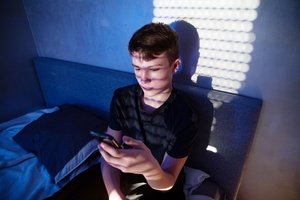
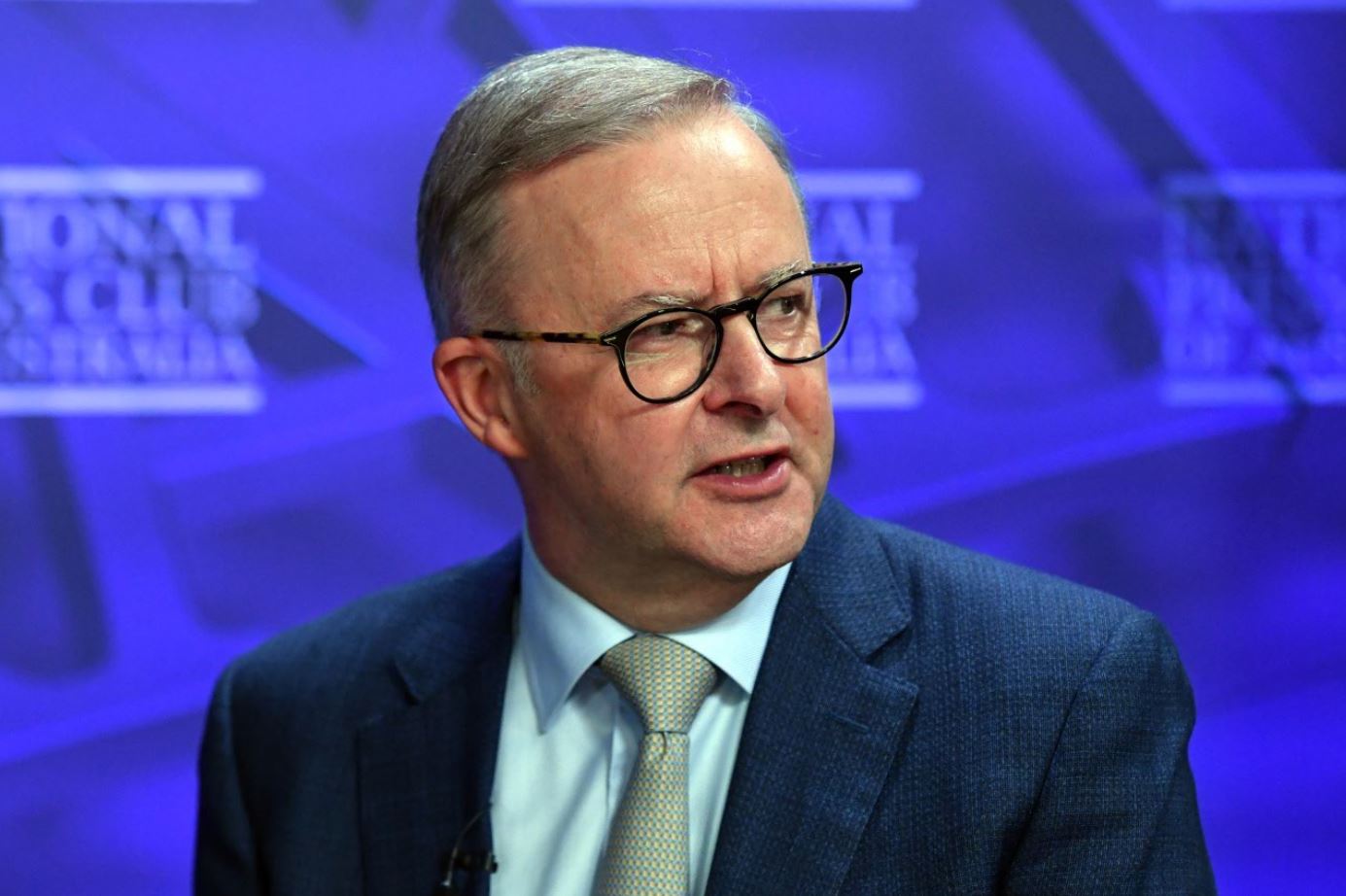
All Australians aged under 16 are now officially banned from holding accounts on social media, with 10 platforms so far agreeing to enforce the rules.
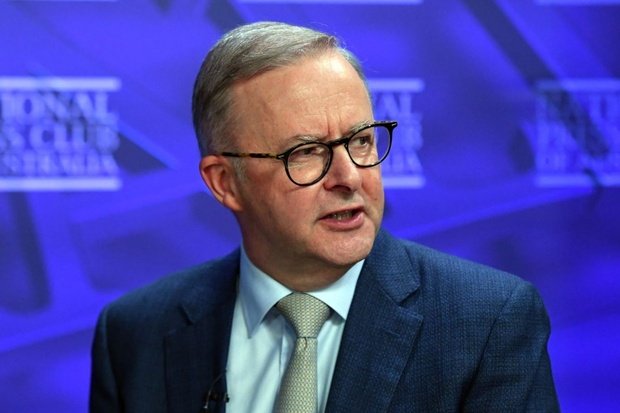
Anthony Albanese urged parents and children to have a conversation about the restrictions.
“This is the day when Australian families are taking back power from these big tech companies,” he told ABC TV on Wednesday.
“One of the dynamics that has occurred over a period of time is people being addicted, effectively.
“It won’t be simple. It’ll be a difficult period.”
At a press conference at Kirribilli House in Sydney to welcome the social media ban this morning, the PM also said social media companies have a “social responsibility” to ensure children are safe.
“Success is the fact that it’s happening. Success is the fact that we’re having this discussion, parents are talking to their children around the breakfast table, teachers, as we’re speaking, will be speaking to their students,” he said.
Albanese said the reform will change lives and make “an enormous difference”.
“It is one of the biggest social and cultural changes that our nation has faced.
“It’s a profound reform which will continue to reverberate around the world in coming months.”
Under the changes, social media platforms will need to take reasonable steps to stop anyone under 16 having an account.
Tech companies are expected to use a range of methods to verify a user’s age, including face scans with artificial intelligence, sophisticated analysis of people’s posting patterns and language, and digital IDs.
These processes, for both new and current users, will include reviews and appeals processes which may take several days or even weeks to complete fairly and accurately and may include applying multiple age assurance measures to accounts over time.
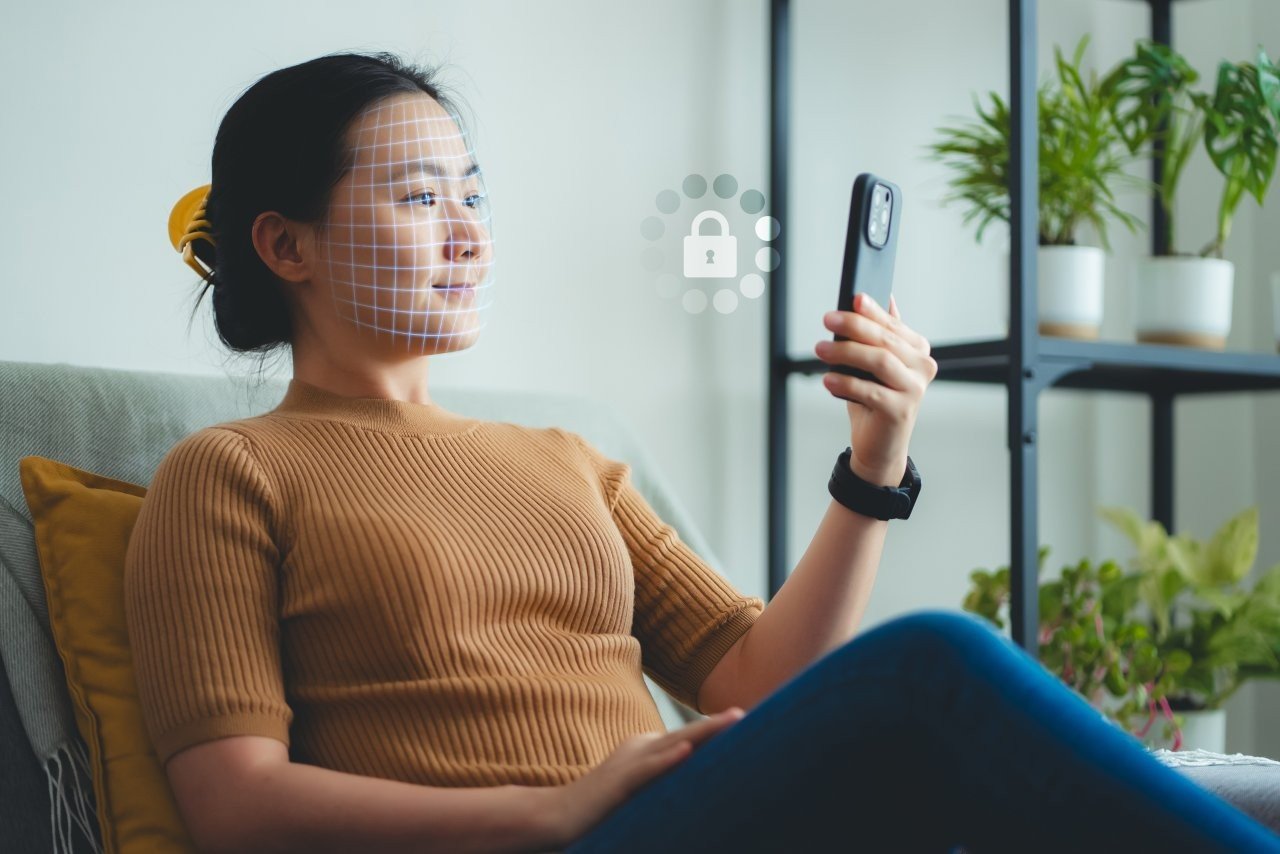
Age assurance can involve a range of steps for both new and current users, including reviews and appeals processes - which may take several days or even weeks to complete fairly and accurately.
Some platforms such as YouTube will still be accessible without an account, but it will be harder for algorithms to target content to children.
eSafety Commissioner Julie Inman Grant, who is responsible for enforcing the ban, said her agency would ask platforms to detail about how many children they’d booted off.
“There could be some... teething issues. Some will do it better than others,” she said.
Enforcing a minimum account age of 16 will create normative change, Inman Grant said, and give young people a reprieve from powerful and persuasive design features built to keep them hooked, often enabling harmful content and conduct online.
“We recognise no single safety measure is a silver bullet but restricting social media accounts for under 16s is part of a holistic approach that includes eSafety’s education and outreach; our complaint schemes; our role ensuring industry transparency and compliance with unlawful and age-restricted material codes and standards; and our work promoting Safety by Design.”
Teenager Nick Leech is one of those having his access revoked.
The 15-year-old says he’s most worried about how he will stay in touch with friends who live interstate.
“I mainly use Snapchat to text them and talk to them, as well as stuff like Instagram and Facebook to know what’s happening in their lives,” he said.
The teenager from regional Victoria is taking part in a study run by the Murdoch Children’s Research Institute and Deakin University, which will track how the ban impacts young people.
“(Social media) has become such a big part in people’s lives, and ... taking that away so suddenly is going to definitely cause some issues,” Nick said.
The ban has also been subject to last-minute changes: a month before taking effect, social media platform Reddit and streaming site Kick were added.
Little-known apps Lemon8 and Yope have also been warned they may be included, because children were flocking to them in a bid to dodge the restrictions.
Parents across the nation are deeply divided on whether the new rules are an important safety measure or an overreach which takes away the rights of families to choose how they raise their children.
Abby Howells, a Canberra teacher who has two boys aged 18 and 15, said she was hopeful the ban would help younger children, but only if it can’t be circumvented.
“I feel like my kids did this big experiment, you had this phone stuff ... no one knows what it’s going to do to them,” she said.
(with AAP)