Representatives of the video-sharing website told a Senate inquiry that moves to include the platform in world-leading legislation would deny creators full-time jobs, citing mega popstar Troye Sivan as one of the site’s success stories.
Sivan started his career posting vlogs and performing covers on YouTube, the platform’s senior manager Rachel Lord said on Monday.
“YouTube’s creator ecosystem contributed $970 million for Australian GDP and supported over 16,000 full-time jobs in 2024,” Lord said.
“You don’t need to look hard to find examples of Australian success stories who started their careers on YouTube.
Lord said the ban, set to come into effect on December 10, would not provide a solution for online safety.
“The Government’s plan to ban social media use for under-16s may be well intentioned, but in practise it risks unintended consequences,” she told the inquiry.
“The legislation will not only be extremely difficult to enforce, it also does not fulfil its promise of making kids safer online.”
YouTube was initially granted an exemption from the ban but was added to the platform following advice from the eSafety Commissioner.
Young people will still be able to watch videos on the site but will not be able to create their own accounts and upload content.
Lord said not having an account meant young people would not have access to security and safety features targeted at under-16s.
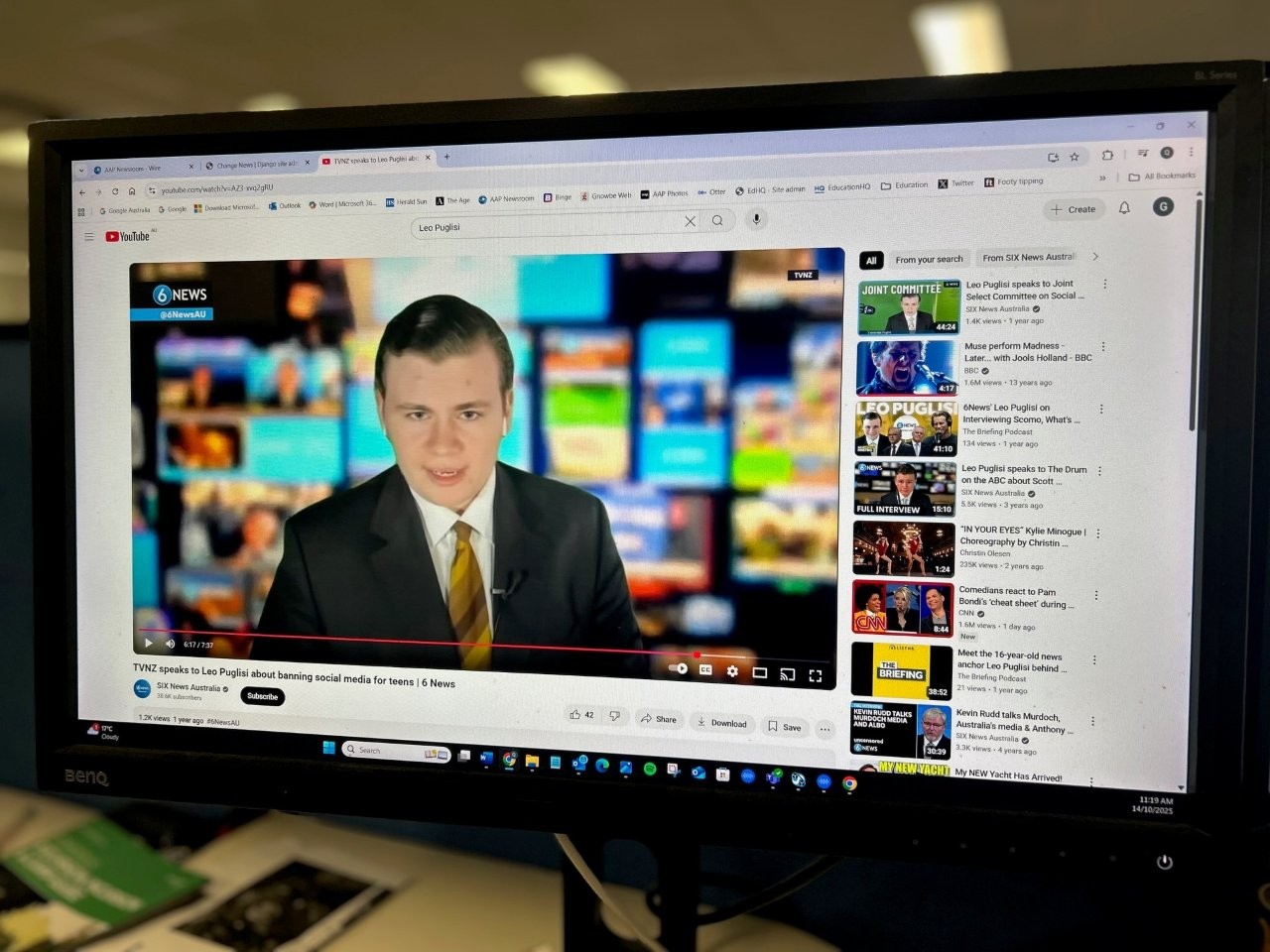
“All of the harmful content on social media will still be there, this ban doesn’t address it, it just looks like it’s addressing it,” young journalist Leo Puglisi, 17, says. “It’s a missed opportunity to potentially stop some of this harmful content and make online spaces safer for young people.”
Also opposing the ban was Leo Puglisi who founded 6 News as a “passion project” in 2019 aged 11, which soon grew a large audience on social media.
Puglisi said most young people read news from social media and deserved to be informed.
Teenagers should be involved in the implementation process of the social media ban, he said.
“It’s critical young people are part of this … they, along with a lot of Australians, are very, very unsure about how it’s going to work,” Puglisi said.
“It feels like it has been changing just about every week.”
Requests to give evidence at the inquiry were also sent to Meta, Snapchat and TikTok, but the invitations were declined.
The inquiry’s chair, Greens senator Sarah Hanson-Young, said the committee would consider issuing subpoenas to the tech giants to force them to appear.
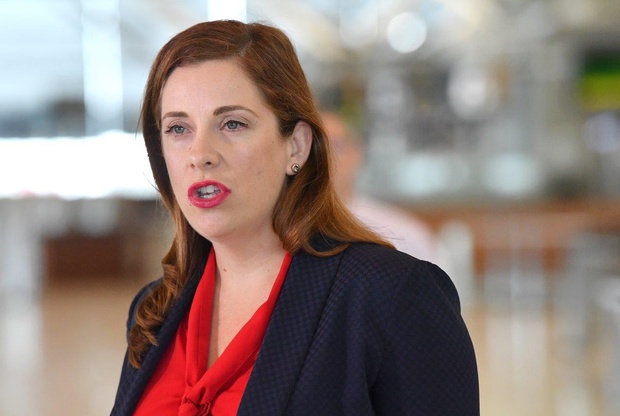
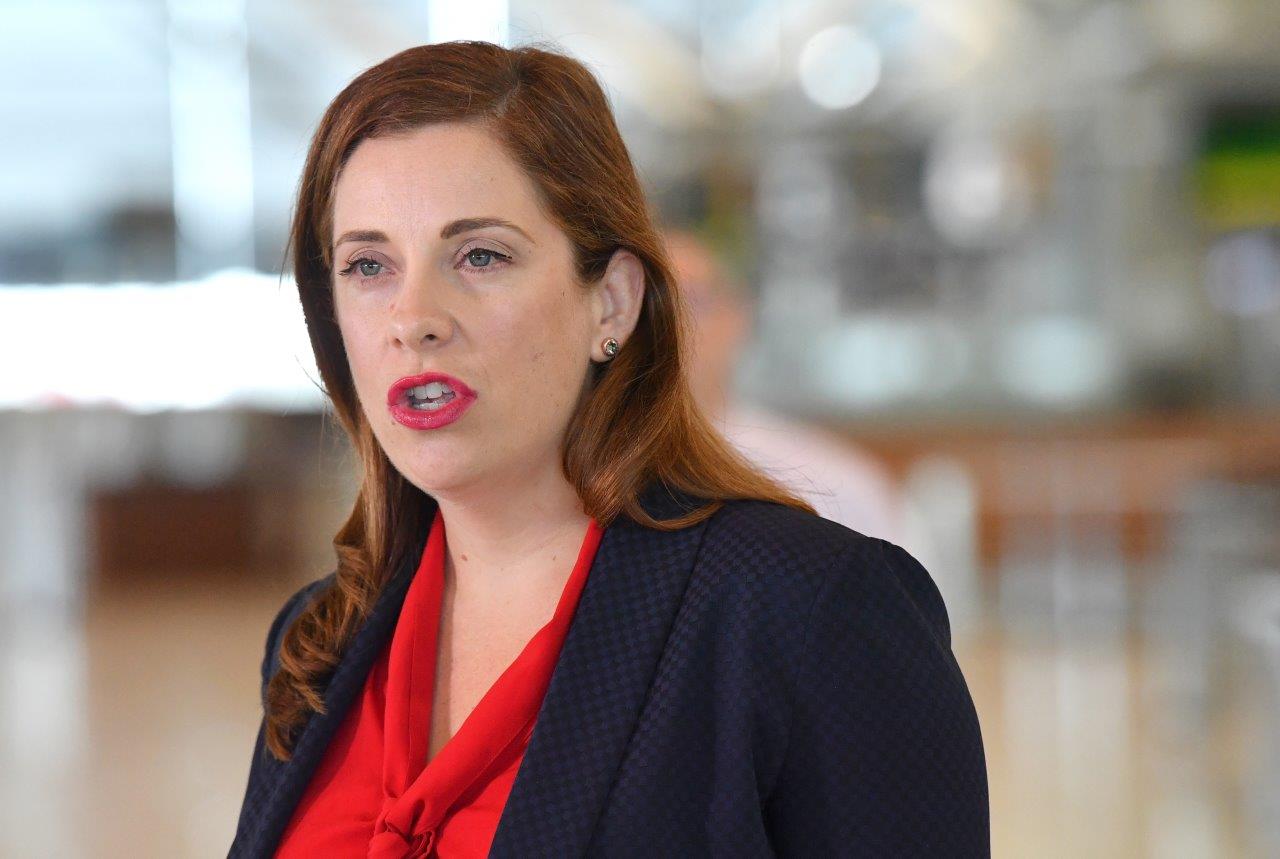
Communications Minister Anika Wells and eSafety Commissioner Julie Inman Grant met executives from Meta, Facebook and Instagram’s parent company, and other platforms about the ban on Monday.
Inman Grant told the inquiry a final decision was yet to be made on whether platforms such as Discord or Roblox would be included.
“Companies are changing their features and functionality all the times, which might mean that they’re out today, but they could be in tomorrow,” she said.
“We don’t want to cut off a child’s digital lifeline, so we will create exemptions for messaging and gaming platforms.
“I’ve also been at pains to say just because they’re not captured by the social media minimum age restrictions doesn’t mean they’re safe platforms.”
Greens senator David Shoebridge told Inman Grant there were concerns for the mental health of young people in regional Australia who used social media to connect with peers.
The commissioner responded that they would try and implement the ban in the most “compassionate, kind way possible” by allowing teens to download their archives on their accounts and providing information on how to access mental health support.
The social media companies have been put on notice to be prepared for the incoming ban.
With a federal ad campaign set to be rolled out in preparation of the ban coming into effect, Wells warns there is no excuse for sites not to be ready.
Meetings executives from YouTube will take place later in the week, while talks with Elon Musk’s X will be done in November.
Wells said while platforms were told perfection in upholding the bans was not expected, attempts to shift the blame would not be condoned.
“Social media companies have a social responsibility,” Wells said.
“The purpose of this law is clear – this is about creating cultural change so that young Australians have three more years to build real-world connections and online resilience.”
From December 10, platforms must take reasonable steps to detect underage users and prevent under-16s accessing the platforms, as well as provide an accessible complaints process for users.
Tech giants could face fines of up to $50 million if they do not comply.
“This important education campaign will make a meaningful difference to help prepare Australians parents and their children for the Albanese government’s world-first social media age laws,” Wells said.
Lifeline 13 11 14
Kids Helpline 1800 55 1800 (for people aged 5 to 25)
(With AAP)