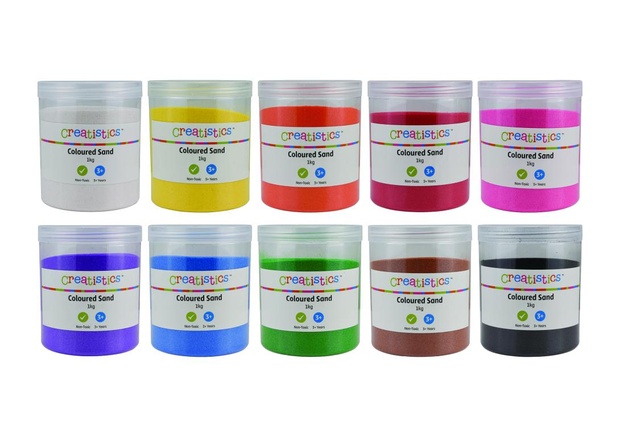
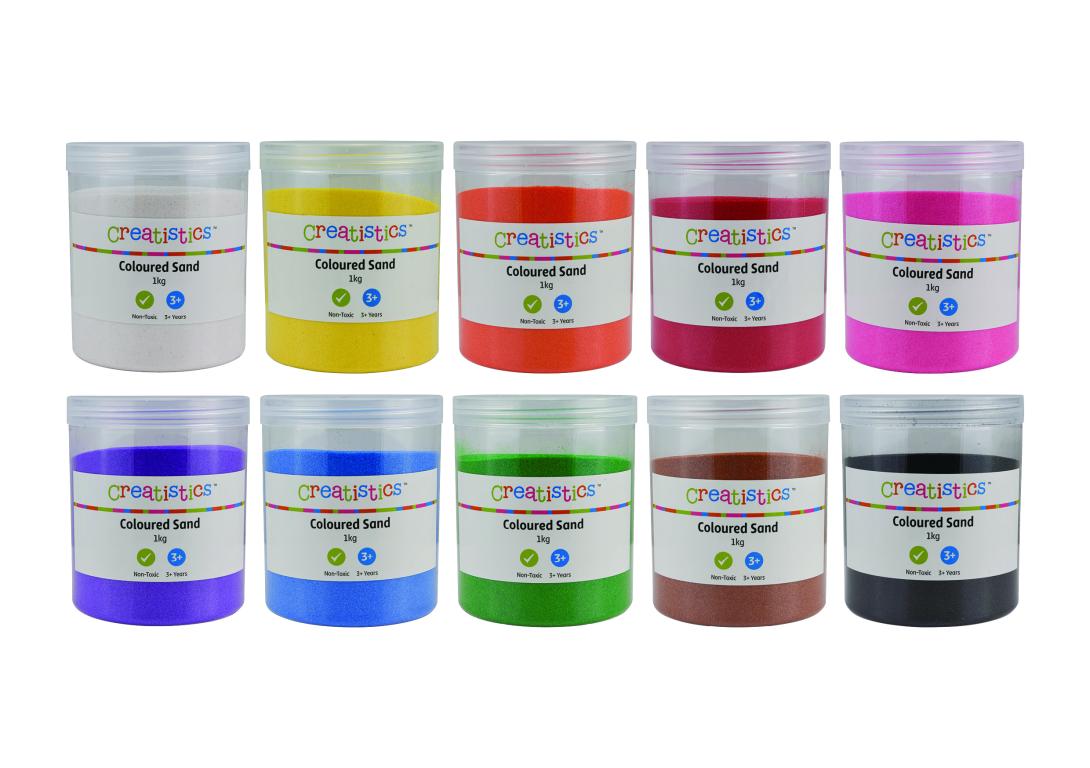
Some 15 government primary schools and three preschools in the ACT were closed on Friday after traces of chrysotile asbestos were found in a coloured sand used for craft and sensory play, the territory Government said.
Five schools were partially closed, with certain year levels asked to stay away while testing is carried out.
Asbestos testing will be carried out at impacted schools during the closures.
The risk to children is low after preliminary air tests at eight schools came back negative for asbestos but results of other forms of testing are not yet known, WorkSafe ACT commissioner Jacqueline Agius said.
The aim is for all schools to re-open on Monday and parents will be notified of a decision on Sunday afternoon or evening, ACT Education Minister Yvette Berry said.
“Our first priority is the safety of our schools and students, and it is a workplace as well, so we need to make sure that all school staff are safe and protected,” Berry told reporters in Canberra.
“If you don’t take the action when you can as immediately as you can, that can sometimes create more anxiety in the community.”
Berry said authorities did not want children or staff to see asbestos workers in biohazard suits conducting tests on Friday, and revealed some parents were not aware of closures until school drop-off.
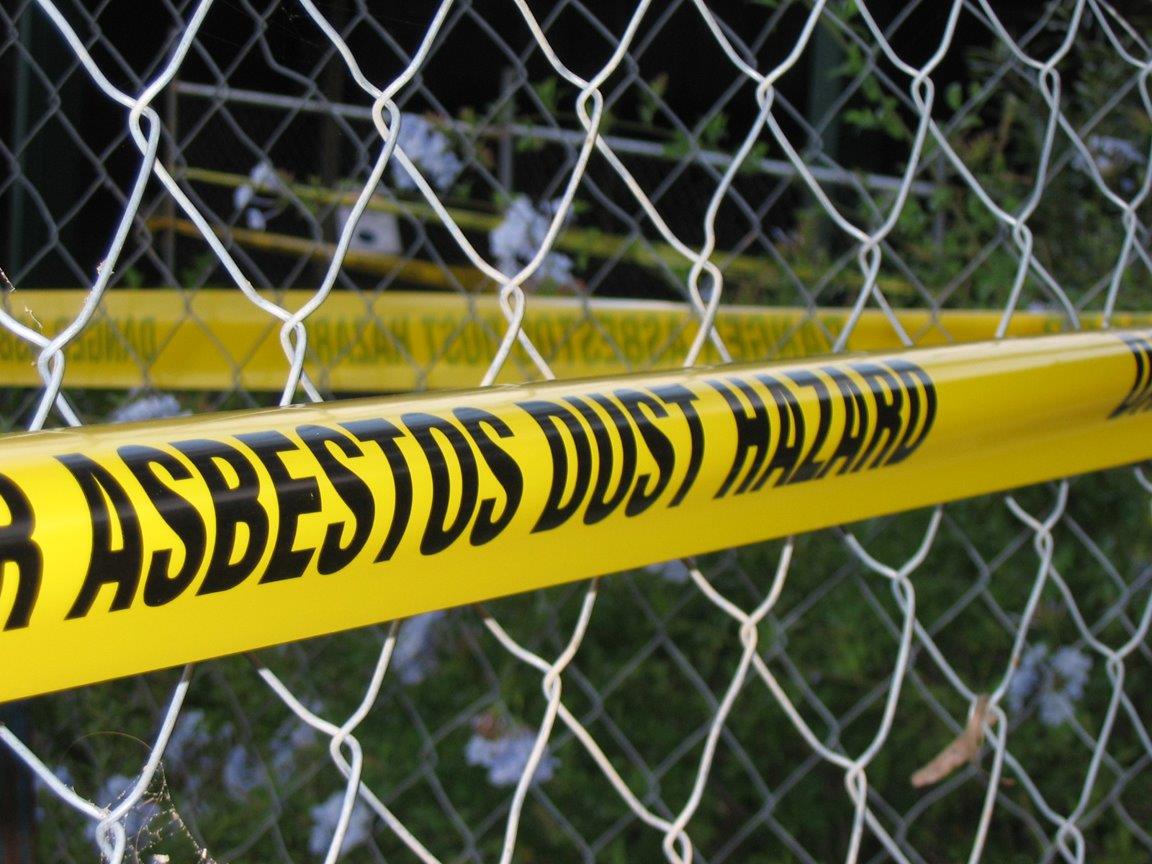
Back in March 2024, asbestos-contaminated mulch prompted the closure of schools, hospitals and parks in Sydney, while historic dumping and legacy contamination was blamed also for traces found at parks in Melbourne’s west. PHOTO: AAP
A safety alert has been issued to all NSW public schools to remove recalled sand products but no schools were closed.
A Department of Education spokesperson said it received advice the risk to health is low and no indication of a need to close schools or early childhood services.
The coloured sand product found at ACT schools was imported from China and is sold as Kadink Decorative Sand in tubes weighing 10 grams, Worksafe ACT said.
It comes after a national recall of children's sand products sold at retailers including Officeworks, Educating Kids, Modern Teaching Aids and Zart Art.
The Australian Competition and Consumer Commission this week issued alerts after asbestos traces were detected in laboratory testing.
Products affected are labelled as Kadink Sand (1.3kg), Educational Colours Rainbow Sand (1.3kg) and Creatistics Coloured Sand (1kg).
The products have been sold in Australia since 2020 while a voluntary recall has also been issued in New Zealand.
Worksafe ACT urged anyone with the product in their home or arts and crafts containing the sand to dispose of it immediate but do everything they can to prevent fibres from becoming airborne.
That includes wearing disposable gloves, a P2-rated face mask and protective eyewear when disposing of any products.
“Do not disturb or use it and isolate the product,” the authority said.
“Carefully double wrap the sand, its container, and any related materials in 200-micron plastic bags, seal securely with tape, and clearly label the package as asbestos waste.”
Asbestos cannot be disposed of in general waste and must be taken to resource management facilities.
Officeworks said the safety risk was “negligible” after commissioning an independent health and safety risk assessment but it was recalling products as a precaution.
Asbestos-contaminated mulch prompted the closure of schools, hospitals and parks in Sydney in 2024 while historic dumping and legacy contamination was blamed for traces found at parks in Melbourne’s west.
The fibrous silicate mineral was identified at Penrith Christian School at Orchard Hills, St Luke’s Catholic College at Marsden Park, Liverpool West Public School in Sydney’s southwest and Allambie Heights Public School on the city’s northern beaches.
Over an eight-week period, the state’s Environment Protection Authority (EPA) worked to determine the source of the tainted mulch and how it entered the supply chain.
Around 6500 tonnes of mulch was tracked down, assessed and tested and nearly 1200 samples were taken for analysis.
All sites that returned positive results had small levels of asbestos contamination and at the time NSW Health advised the risk to the public was low.
The NSW Government pledged at the time to tighten regulations and strengthen penalties for a range of environmental crimes.
City of Sydney mayor Clover Moore, whose council area contained several contaminated sites, said at the time that the tainted-mulch scandal was a major failure of regulations.
“We should be able to trust that the mulch we’re contracted to receive has gone through all the proper processes and is safe to use,” she told ABC Radio in March 2024.
“It’s a real mess and it’s a very costly one for everyone involved because these processes we have to go through to ensure our parks are safe are costly.”
(with AAP)