
SNAICC, the national non-government peak body representing the interests of Aboriginal and Torres Strait Islander children, families and communities, said the theme of NAIDOC 2025 The Next Generation: Strength, Vision and Legacy highlights the importance of taking action to close the gap for children.
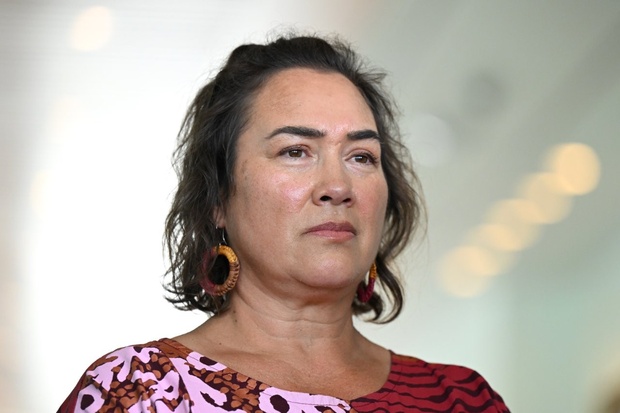
CEO of SNAICC, Catherine Liddle, urged all governments to keep their promises to First Nations children by “staying the course” and scaling up investment in Aboriginal community-controlled early education and care services.
“The recent results from the 2024 Australian Early Development Census (AEDC) show Aboriginal and Torres Strait Islander children have demonstrated greater resilience than some national trends of declining developmental outcomes, Liddle said.
“This is a clear sign that targeted supports under the Closing the Gap National Agreement are beginning to turn the tide and that change is happening.
“Community-led, culturally strong early years programs are helping our children thrive.
“We should be investing in these policies because we know they work, not ones that continue to entrench disadvantages.”
Despite the progress being seen under the Agreement, Liddle shared that SNAICC is deeply concerned by the rising trend of punitive, tough on crime youth justice laws that disproportionately target Aboriginal and Torres Strait Islander children.
“You can’t punish a child into thriving. Locking up our kids instead of supporting them is a policy failure,” Liddle said.
“These laws don’t make communities safer. Investing in early years, in strong families, in culturally safe supports that build connection and confidence does.
“This is not about being soft on crime, it’s about being smart on solutions.
“We know what works - prevention, not punishment is how we keep our children and communities safe.
“The results from the AEDC data are part of a legacy of change driven by decades of advocacy and are built on the work of those who have fought for self-determination, access to culturally strong services and for a better future for our children.
“Now, it’s up to us to keep going, to honour that legacy by giving the next generation every opportunity to succeed.”
Indeed, when it comes to success, despite listening, speech and language skills being essential for children to thrive, for many Indigenous children, ear disease continues to impact their ability to connect.
More than a third of Aboriginal and Torres Strait Islander children experience “fluctuating” ear disease, where the infection in the middle ear can change over time, making it more difficult to detect, clinical data from Hearing Australia shows.
Persistent trouble with their ears affects eight per cent of these kids.
“These type of ear infections are very common, but in First Nations kids they usually occur more often, they start very early in life and it actually lasts longer,” Hearing Australia’s Kirralee Cross said.
“It can start in infancy without any obvious symptoms.”
More than 10,000 Indigenous children from newborns to six years old have their ears checked each year through the Early Ears hearing assessment program.
Data from the program has found more than 26 per cent of children have undiagnosed ear disease, and one in five have undiagnosed hearing loss.
Cross said the findings show the importance of early detection.
The Yorta Yorta woman said if left undetected, ear disease can not only impact a child’s hearing but also the development of important listening, speech and language skills.
“It affects the ability to connect and yarn with their mob, with others, with family, and when they get to school it can be a bit isolating,” she said.
“We do hear reports of teachers saying they have kids that muck up or aren’t paying attention in their class, and it’s nothing to do with their attitude or behaviour, it’s actually because they can’t hear.
“If that’s not picked up then it has long-term effects as they’re growing and learning.”
Cross said hearing should be checked every six months.
“Every child deserves to hear and learn and thrive,” she said.