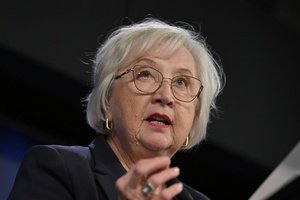
Lead author Associate Professor Helen Adam, from Edith Cowan University’s (ECU) School of Education, says the finding follows an analysis on the diversity of main characters and family structures in 90 award listed Australian children’s picture books.
“A glaring omission caught our attention – the almost complete absence of disability representation among characters in the books,” Adam says.
“This lack of inclusion is not only disappointing but also contributes to the perpetuation of negative stereotypes and marginalising of individuals with disabilities.”
Staggeringly, only one of the 90 books portrayed a character with a physical disability.
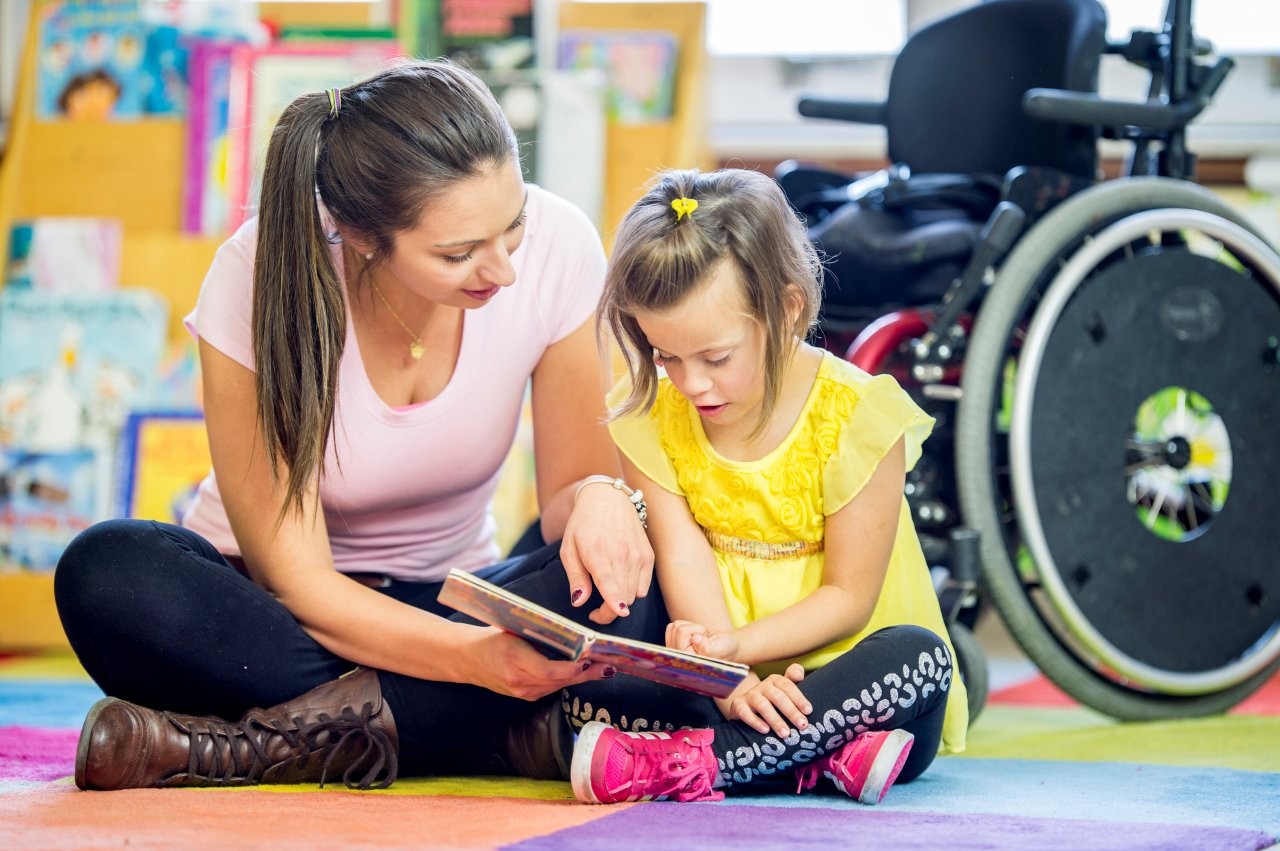
In this book, a child using a wheelchair was visible as a background character on one page, and having their wheelchair pushed by a child without a disability on another.
The Australian Bureau of Statistics defines disability as “a limitation, restriction or impairment, which has lasted, or is likely to last, for at least six months and restricts everyday activities”.
“We know that intellectual impairment and diverse abilities such as neurodiversity may be less visible in picture books, therefore we often see symbolic and more overt representation of disability, including wheelchair use,” Adam says.
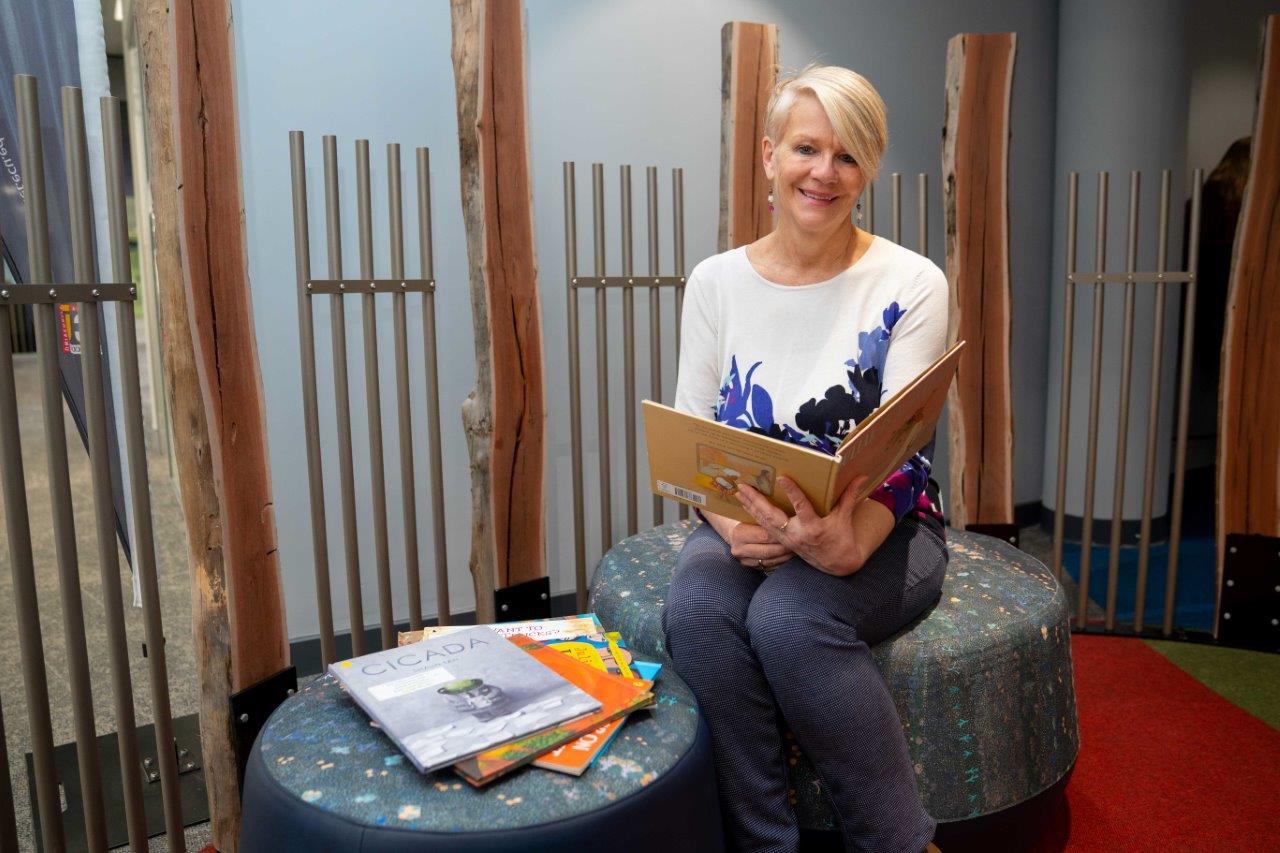
“Children with disabilities face unique challenges navigating a world designed primarily for those without impairments, but all children deserve to be able to see themselves and others represented in the literature they consume,” Assoc Prof. Helen Adam suggests.
The study findings reinforce the need for the creation of strength-based narratives with authentic representation. Internationally there is a growing movement featuring characters with disabilities by disabled authors, to foster acceptance, educate able-bodied children, and strengthen the self-worth of disabled children.
Although the findings showed some progress in the way of culturally diverse representation and diverse family structures compared to past research, the study found there is much room for improvement.
Adam’s study last year found there was some positive progress in the inclusion of diverse family structures, LGBTIQA+, step, blended, and foster families are almost entirely absent, potentially leading children from these family backgrounds to feel excluded or invisible.
Speaking to EducationHQ last year, she said there is an imperative for educators to move beyond relying solely on award-winning books and seek out texts that more accurately reflect the diverse fabric of Australian society.
“Children's attitudes, their sense of identity, their sense of belonging, particularly, is developed in those first five years of life, and so too is their understanding of others.
“So things like prejudice and discrimination develop at a very young age and one of the ways that children learn these attitudes is through the books that they're exposed to,” Adam said.
She adds this week that the absence of disability representation in children’s picture books is a critical gap that perpetuates harmful stereotypes and marginalises individuals with disabilities. It also makes sourcing books that reflect disability highly challenging for educators.
“Children with disabilities face unique challenges navigating a world designed primarily for those without impairments, but all children deserve to be able to see themselves and others represented in the literature they consume,” Adam suggests.
The findings highlight the hidden cost of children’s picture books that neglect to include children of all abilities within their narratives, whether this is a conscious decision or not.
“It is imperative that authors, illustrators, publishers, educators, and caregivers work together to promote inclusive language and imagery, challenge ableism, and create an environment where all readers feel valued and represented.
“By doing so, we can help shape a more compassionate and equitable society – one where every individual can thrive regardless of their abilities.”
Adam says children’s picture books can be a powerful tool for promoting social change and inclusion.
The importance of diverse representation in children’s books is increasingly recognised both within the publishing industry and among parents and educators, but the lack of books reflecting the lived experience of those living with diverse abilities is something that is still often overlooked.
“It’s also time we see more diversity in the authorship of children’s books, whose own lived experience is reflected in the stories they tell,” she says.
To view the paper ‘The absence of disability representation: A critical gap in children’s picture books’, click here.