Acting Minister for Education, Gayle Tierney, today announced 116 schools will receive grants for the four- and two-legged buddies that bring comfort, calm and crucial mental health support.
Wellbeing animals have shown strong success in classrooms across Victoria – helping children to build confidence, feel comforted in the classroom and be more engaged in their educational journey.
Tierney said school can feel overwhelming for students at times, and wellbeing and engagement animals help them feel grounded, supported and ready to learn.
“Our schools have a vital role to play in boosting the wellbeing of all our students, and this program will no doubt help them feel happy, engaged and present in the classroom,” Tireney said.
Animal-assisted wellbeing and engagement programs are designed to support schools to deliver structured programs to improve students’ wellbeing and engagement with the support of a professionally trained animal handler, psychologists, counsellors or social workers.
Other animal-assisted activities can be delivered by teaching staff with the help of animals to support student wellbeing and engagement, such as students reading to dogs.
Many schools are implementing canine-assisted therapy, with a growing number introducing equine-assisted therapy.
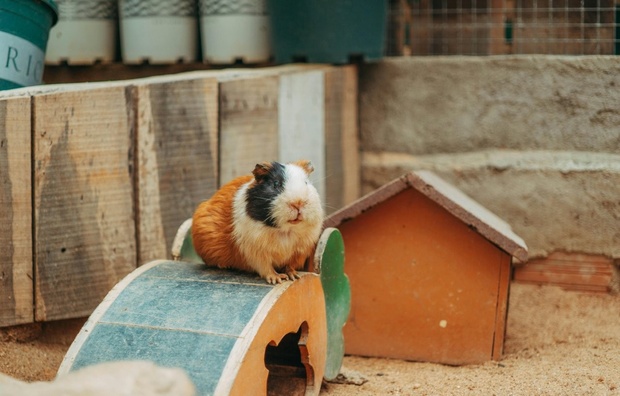
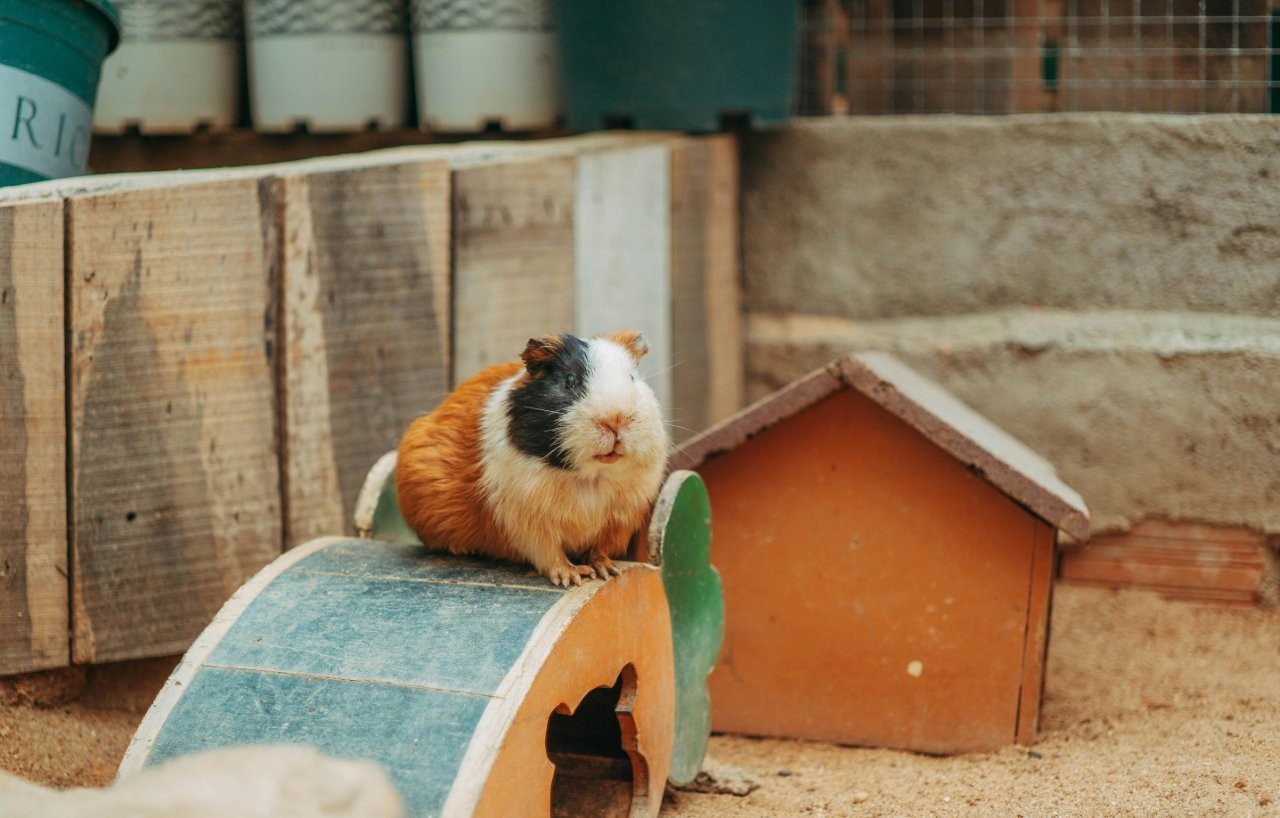
Some schools also have small animals onsite, including chickens and guinea pigs, that are used to enhance learning and strengthen student wellbeing and engagement.

Acting Minister for Education, Gayle Tierney says school can feel overwhelming for students at times, and wellbeing and engagement animals help them feel grounded, supported and ready to learn. PHOTO: gayletierney.com
At Epsom Primary School in Bendigo, children have access to an animal-assisted wellbeing and engagement program thanks to a round two grant.
Chickens, guinea pigs and three ponies are now housed at the school. Students grow sustainable food for the animals and help care for them, with the ponies providing equine-assisted therapy.
Currently, Year 6 students are working with members of the local Men’s Shed to build a village for the school’s guineapigs designed by Prep students.
Providers for canine-assisted programs include Dogs Connect, Canine Comprehension, Lead the Way and Paws in Schools. Through these programs, trained dogs and their handlers visit schools to provide tailored support to students.
The Victorian Budget 2023/24 invested $4.8 million over three calendar years to help more Victorian government schools integrate animal-assisted wellbeing and engagement programs into their school communities, prioritising services for students with disability and additional needs.
More Victorian students, meanwhile, will also be getting active and picking up new physical skills through the latest round of Active School Grants.
Tierney congratulated the 100 schools that are the latest to receive a $30,000 grant as part of the Active Schools initiative, which aims to give every Victorian student the skills, confidence and motivation to stay active throughout their lives.
Since starting in 2020, the program has given out more than $25 million to over 500 schools in disadvantaged areas.
“Regular physical activity makes a huge difference to young people’s mental and physical health as well as their educational outcomes – that’s why investing in our students is important, giving them every opportunity to find an activity they love,” Tierney said.
In previous years, schools have used their Active Schools Grants to upskill PE teachers, purchase sports equipment, build outdoor learning spaces, make upgrades to playgrounds, install sensory play areas and implement programs such as bicycle education or dance.
The Active Schools program is about finding ways for kids to move more during the whole school day—in class, at recess and lunch, and even on the way to and from school.
Staughton College in Melton South used its 2025 Active Schools grant to fund an indoor space to support active break times.
They called it ‘the Pit Stop’, and it’s become a popular hangout for physical activities.
The project has brought the school community closer together and shows how listening to students and letting them take the lead can make a real difference.
The 2024-2025 state budget included $42.3 million over four years and $10.7 million ongoing funding to continue the successful Active Schools program.