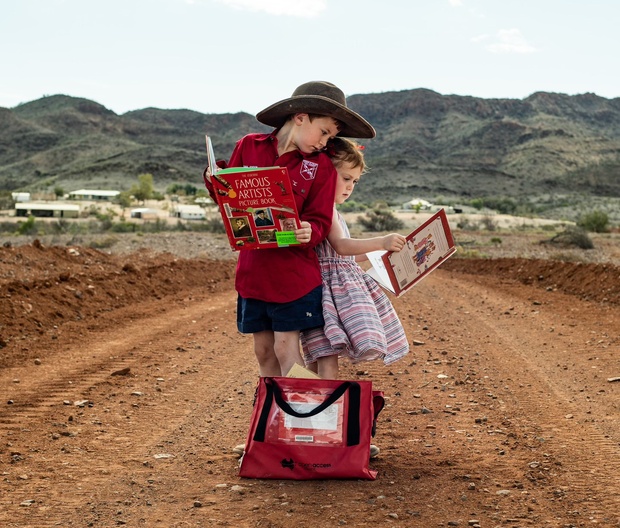

The day is all about shining a spotlight on the extraordinary determination of students living in rural and remote Australia, and the urgent need for equal access to education no matter where a child grows up.
Spearheaded by the Isolated Children’s Parents’ Association of Australia (ICPA), after a hugely successful first year, RREd Day 2025 is set to be bigger and brighter, with schools, families, and supporters nationwide encouraged to share photos on social media and spark conversations about educational equity for rural kids.
“Rural and remote children face hurdles at every stage of their education that most Australians never see,” ICPA Federal President Louise Martin says.
“From patchy internet and mobile service that makes online learning almost impossible, to the high cost of boarding away from home to limited subject choices and fewer teachers on the ground, these challenges create a constant barrier to equity.”
Martin says RREd Day is about putting these kids in the spotlight, and highlighting that they deserve the same opportunities as their city peers to learn, connect and thrive.
“This year, we are inviting both city and country Australians to don red and stand shoulder-to-shoulder with our isolated kids,” Martin says.
“We want everyone to dress in red – our boarding schools, schools, our kids at home, members of our communities, we want them to wear red to highlight and raise awareness of the challenges that we all face out here.”
Proud sponsors NBN and Telstra are offering some great prizes for the most impressive RREd Day photos shared online.
Schools will share in book voucher prizes of $500, $300, and $200, while the most inspiring RREd Day post from an ICPA member will be awarded a Cel-Fi GO 4G/5G Mobile Booster (RRP $999).
Participants can enter simply by posting a photo in red with the hashtag #WearRREd and winners will be announced on ICPA’s social media channels and website.
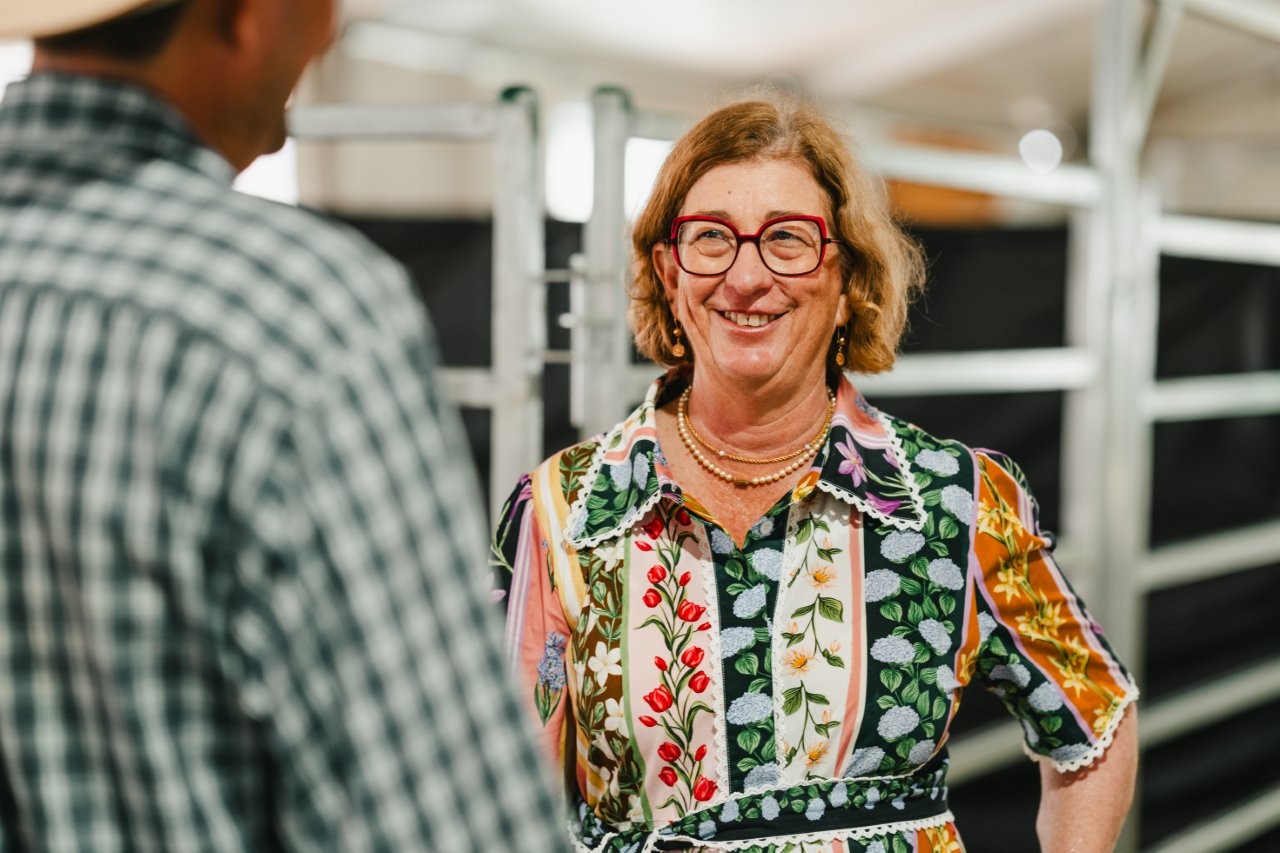
ICPA federal prseident Louise Martin says rural/remote communities remain behind the eight ball because they are the three percent of people in the country who the telcos find very challenging to accommodate when it comes to connectivity. "And we're the ones who need it most," she says.
In February, the ICPA called on the Federal Government to commit to critical funding increases and new support measures to ensure equitable education access for geographically isolated students.
ICPA says rural and remote families are being left behind by an outdated education support system that fails to keep pace with rising costs and increasing needs.
More than 70 per cent of student boarders in this country are from rural and remote Australia.
“Our longest advocacy is to be able to make boarding affordable for all families,” Martin tells EducationHQ.
“For example in Queensland there are 15 shires that do not have a high school. If you live in a remote part, like Boulia, Bedourie, Birdsville – there is not a high school for 800 kilometres.
“What happens to those kids? How do they get affordable education so their families can stay in our communities? It’s like a revolving door of professionals coming and going from our communities, as soon as their kids hit secondary education, they’re off.”
Martin says RREd Day is highlighting those challenges, including the distance from home, the costs, the pastoral care for students in boarding schools and more.

Lara Jensen was a Telstra prize winner from last year with this great pic. This year there are more fabulous prizes to win for those getting on board and supporting RREd Day.
She says community, local government, key stakeholders and the agricultural sector need to work together to make it affordable.
What is key is for boarding costs to be covered in assistance to the tune of about 55 per cent, Martin shares, making it roughly affordable for remote families.
“As things stand, assistance is only provided to about 35-45 per cent, which means it is “absolutely out of the question for many people, even well-paid salary earners in rural areas, to be able to afford boarding costs”.
Martin says rural and remote NAPLAN results are well below par and will continue to be until a range of issues are addressed.
“That’s a combination of breaking that cycle in remote areas of children whose parents struggled, whose grandparents struggled, and a lot of those things could be nipped in the bud very early on if you have equitable access to early childhood learning, access to allied health professionals to support children who may have learning challenges.
“As everyone keeps saying, access to a good education starts at the very beginning and if we don’t have all of our communities working together, breaking down the silos between health and education – we need everyone to work together to ensure all of those little kids in rural/remote areas are starting on the front foot.”
Martin says wearing red is a simple gesture, but it sends a powerful message of support and solidarity, showing students in the bush that they are seen, valued and backed by the wider community.
“It’s bigger than just education, it’s about our rural/remote communities remaining viable and sustainable out here as we feed and clothe a nation, basically.”
For more information about RREd Day (October 15), click here.