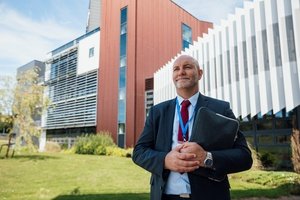


Dr Mary Oski, director of education excellence at MACS, says the ’Vision for Leadership’ framework goes beyond AITSL’s leadership standards to offer real clarity on what exceptional school leadership in the Catholic tradition entails.
“As we all know, schools are much more complex places now than what they used to be, and there is a lack of social cohesion across our whole community.
“I think the role that principals play can be much more demanding and challenging, and in our society we have an increasing number of families who would identify as Catholic but probably have lost some of that connection with their Church community.
“We haven’t always provided the proper formation activities for our teachers and leaders, and we are really ramping that up…” Oski tells EducationHQ.
In 2024, MACS announced teacher instruction across its 300 schools would be shifting to align with the evidence about what works best in the classroom: that is, explicit instruction, informed by the science of learning.
Balanced literacy approaches were turfed out in favour of structured literacy instruction, and teachers’ practice moved to encompass consistent scripts and routines that better set the stage for calm and orderly classrooms.
The results of the system-wide shift have been entirely promising so far, Oski says, but what has been missing is a similar vision for school leadership teams and aspiring leaders.
“We recognise that school leadership is second only to teaching among school-related factors affecting student learning.
“So we’ve done quite a bit of work over the last two years around our Vision for Instruction and Vision for Engagement, which is really focused on improving student learning outcomes.
“I feel like we’re certainly on a great pathway forward to improve the quality of teaching and engagement of our students in our classrooms.
“So given the significance of school leadership on student learning outcomes, leadership is the next big [leaver] that we really wanted to push.”
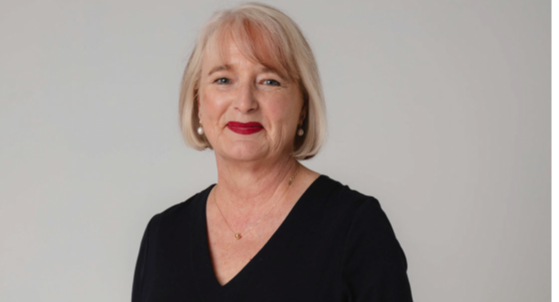
Dr Oski says the Vision for Leadship hands Catholic school principals a shared understanding of what exceptional leadership in the school system entails.
Oski is a big believer in the power of system-level cohesion. She suggests the new Vision for Leadership doubles down on this.
“One of the things that we found with our Vision for Instruction, is that we have a shared language about what quality teaching looks like.
“And what you find is when principals are talking to each other or teachers are talking to each other, they are now on the same wavelength, they all understand what each other is doing and they can actually move from one school to another and feel quite comfortable ... we all understand what quality teaching should look like.”
Leaders need exactly the same kind of shared understanding, she says.
“If you’ve got a group of people working together across schools, then they’re all on that same journey and they can share with each other ‘this is what I’m trying to focus on, how are you doing that in your leadership role?’
“So it gives this really clear shared belief and shared language.
“I’m a great believer in building system cohesion. If everyone’s on the same journey, on the same path, that’s actually how you raise the standard across the whole system.”
So just how much granular instructional knowledge are MACS principals required to possess? And to what degree should school leaders be across the huge body of education research to inform their direction?
To a significant degree, Oski indicates. Whole-school instructional change doesn’t come unless it’s led from the top, she says.
“Some of the induction that we provide for principals and people aspiring to principalship is often focused on the things that need to be done, like compliance and finance and policy and so on – and it’s not to diminish those, they are critically important to us.
“But then principals, they’ve [most often] been teachers, and so actually teaching is usually their passion. By including the importance of being an instructional leader (in our Vision), it allows them to ensure that they have time for that and [we want to support them on this front].”
Oski says the MACS executive are looking at ways to alleviate the admin burden that rests on school leaders currently. The goal is to free up their focus so they can hone in on leading whole-school instructional change, she adds.
Leading change at scale requires all teachers and school staff to buy into the process and the ‘why’, Oski adds.
“You can’t do that without knowing some of that granular research behind why it is important, and why we need to get every teacher on board if you’re going to make a difference to not only instruction but also aspects like behaviour and so on.
“We know it’s not going to work unless it’s coming from the top, and you need to ensure that everyone’s on board with this.”
The document also provides a measure for aspiring leaders to identify what they are doing well and to earmark areas for self-improvement.
“We’re providing really greater clarity in that regard, but most importantly, something I feel very strongly about is that we need to encourage any teacher who is coming into our schools to understand that this is a career-long journey with us and that we see potential in you.
“And so the Vision for Leadership also caters to those younger teachers in our system to show them ‘this is what it looks like for an emerging leader’.
“And as you walk along that journey there’s a future for you here in Catholic education, and that it’s not only the vision statement itself, it’s that all of our professional learning and support will be there to actually help you along...”
Natalie Harper, MACS director of people and culture, says the Vision helps translate Catholic mission into daily practice in schools.
“While we each bring our own experiences, the Vision for Leadership aligns our aspirations, purpose and mindset. This is supported with practical resources and tools that enable self-reflection, goal setting and continuous learning, to ensure leadership growth directly strengthens outcomes in our schools.
“Looking ahead, the way leaders engage with the Vision, individually and collectively, will strengthen our schools, enrich the student experience, and support MACS’s 2030 ambition to be the employer of choice in the Victorian education sector,” Harper says.