With the three liberal justices (out of a total of nine) in dissent, the court paused an order from US District Judge Myong Joun in Boston. The layoffs “will likely cripple the department,” Joun wrote.
A federal appeals court refused to put the order on hold while the administration appealed.
The court action enables the administration to resume work on winding down the department, one of Trump’s biggest campaign promises from the 2024 election.
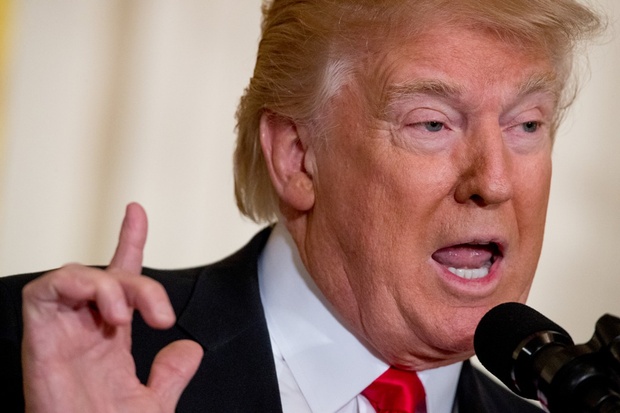
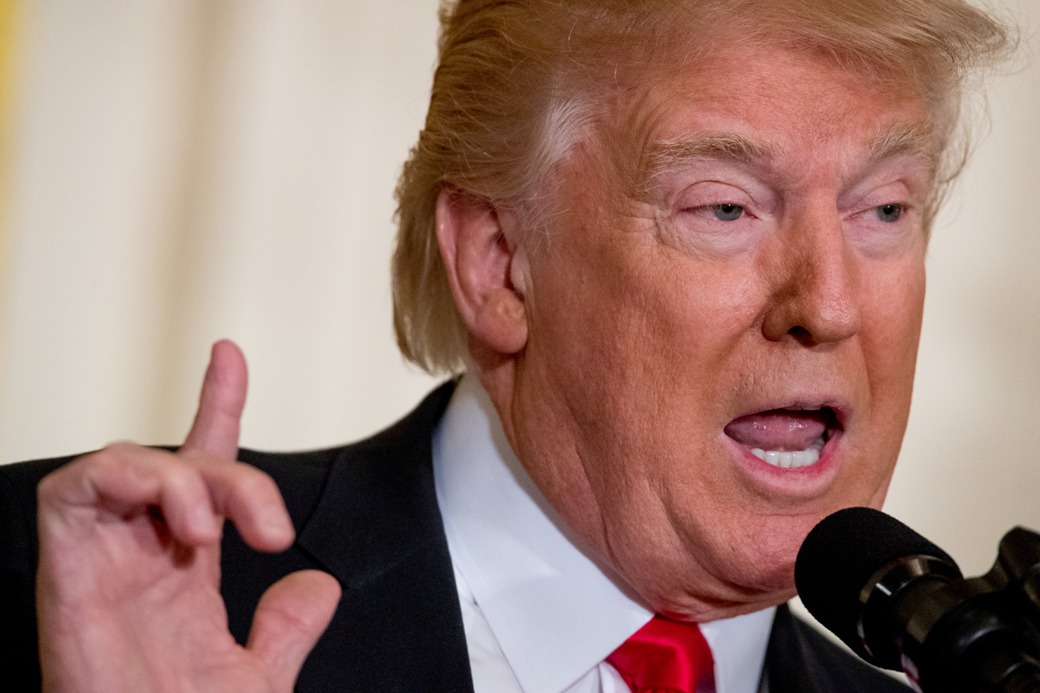
In a post on his social media platform, Trump said the high court “has handed a Major Victory to Parents and Students across the Country.”
He said the decision will allow his administration to begin the “very important process” of returning many of the department’s functions “BACK TO THE STATES”.
The court did not explain its decision in favour of Trump, as is customary in emergency appeals.
But in dissent, Justice Sonia Sotomayor complained that her colleagues were enabling legally questionable action on the part of the administration.
“When the Executive publicly announces its intent to break the law, and then executes on that promise, it is the Judiciary’s duty to check that lawlessness, not expedite it,” Sotomayor wrote for herself and Justices Ketanji Brown Jackson and Elena Kagan.
Education Secretary Linda McMahon said it’s a “shame” it took the Supreme Court’s intervention to let Trump’s plan move ahead.
“Today, the Supreme Court again confirmed the obvious: the President of the United States, as the head of the Executive Branch, has the ultimate authority to make decisions about staffing levels, administrative organisation, and day-to-day operations of federal agencies,” McMahon said in a statement.
Today marks a victory for education!
— Secretary Linda McMahon (@EDSecMcMahon) July 14, 2025
We're one step closer to returning education to the states.
A lawyer for the Massachusetts cities and education groups that sued over the plan said the lawsuit will continue, adding no court has yet ruled that what the Trump administration wants to do is legal.
Department of Education employees who were targeted by the layoffs have been on paid leave since March, according to a union that represents some of the agency’s staff.
Joun’s order had prevented the department from fully terminating staff, though none had been allowed to return to work, according to the American Federation of Government Employees Local 252.
The department had said earlier in June that it was “actively assessing how to reintegrate” the employees.
The current case involves two consolidated lawsuits that said Trump’s plan amounted to an illegal closure of the Department of Education.
The suits argued that layoffs left the department unable to carry out responsibilities required by Congress, including duties to support special education, distribute financial aid and enforce civil rights laws.
In a statement, the plaintiffs in the case filed by the Somerville Public School Committee and Easthampton School District in Massachusetts, along with the American Federation of Teachers and its Massachusetts branch and unions representing New England public sector workers, university professors and service employees, said they were "incredibly disappointed by the Supreme Court’s decision to allow the Trump-Vance administration to proceed with its harmful efforts to dismantle the Department of Education while our case moves forward".
"This unlawful plan will immediately and irreparably harm students, educators and communities across our nation," the statement read.
"Children will be among those hurt the most by this decision.
"We will never stop fighting on behalf of all students and public schools and the protections, services, and resources they need to thrive."
Separately this week, more than 20 states have sued the administration over billions of dollars in frozen education funding for after-school care, summer programs, English language programs and more.
Programs dependent on the money were expecting it to be allocated on July 1, however an Education Department notice issued on June 30 announced the money would not be released while the programs are under review.
Without the funding, schools have said they won’t be able to provide free or affordable after-school care for low-income kids while their parents work, and they may not be able to hire staff to teach children who are learning English.
Classes or camps already underway could also be in jeopardy.
The department has provided no timeline and warned that “decisions have not yet been made” on grants for the upcoming school year.
with AAP