

Years of segregation of Australia’s children – rich and poor, white and black, city and country-dwellers – has negatively impacted national academic achievement, equity of outcomes, and the experience of school, the report says.
For example, the 2023 Independent Review to Inform a Better and Fairer Education System reported that, in PISA science testing, disadvantaged students who attend disadvantaged schools are on average three years of learning behind their peers who attend advantaged schools.
As well, low-SES students in low SES schools are half as likely to achieve at NAPLAN National Minimum Standards than low-SES students in high-SES schools.
Australia and Canada spend similar amounts on school education and share much in common in terms of history, culture and demography.
However, Canada has much lower levels of social segregation in its schools, higher levels of achievement and consistently outperforms Australia in the OECD’s PISA tests across all learning domains.
The new report, titled Lessons from Canada, shows that with the right structures, regulations and funding in place, a common framework of resourcing and regulation for all schools is achievable here in Australia.
Co-authored by teacher and researcher Tom Greenwell and former principal Chris Bonnor, who wrote Waiting for Gonski and Choice and Fairness: a proposal for a common framework for all Australian schools, the report is the result of a study tour to a single comparable country to learn more about possible approaches that have significant potential to enhance educational delivery here.
ALL, a ten–year initiative driven by Koshland Education Innovation and designed to bring attention to big ideas and new approaches in education, joined Leading Educators Around the Planet in commissioning the tour and report.
It urges Australians to look at seemingly intractable problems in new ways, and to challenge basic assumptions about how our education system should operate.
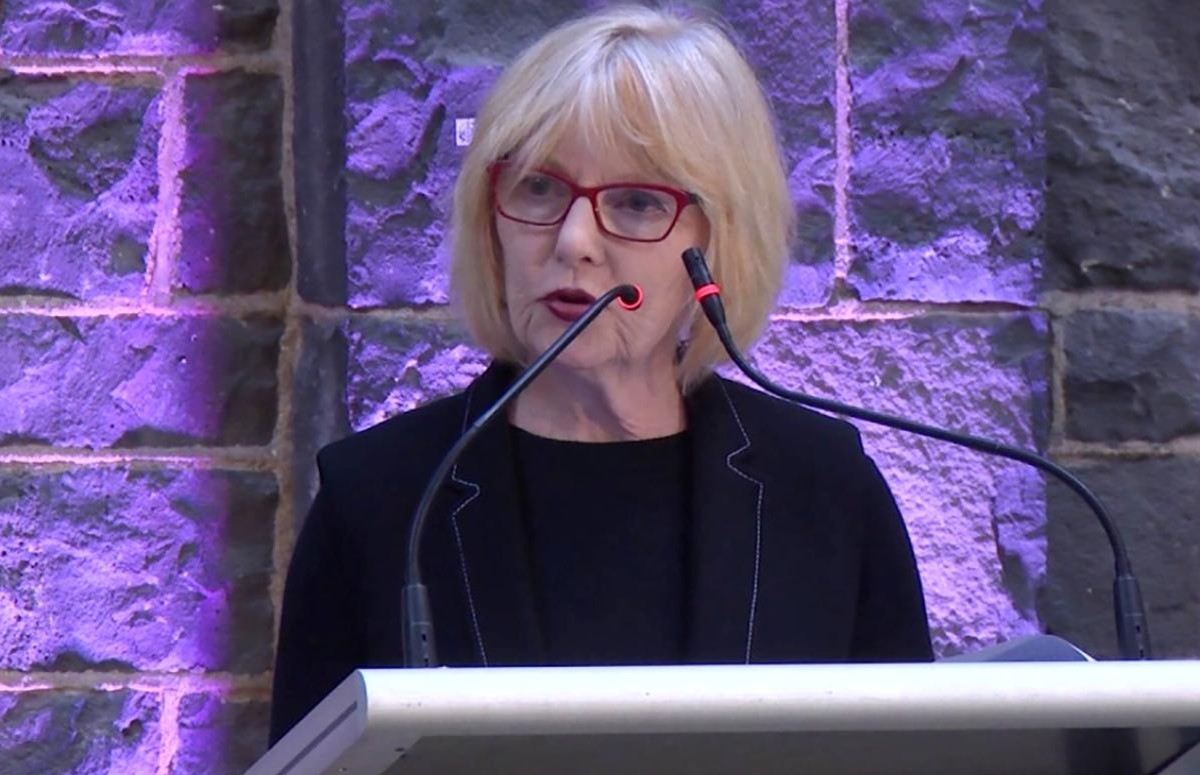
ALL founder and director Ellen Koshland has worked for over three decades to contribute to quality education for all Australians. Her work is characterised by a desire for equity, a belief in the power of learning, and the quest to drive impact.
It also calls on the Federal Government to put in place immediately measures to report diversity and to commission a new review into the right combination of interventions required to increase socio-economic diversity in Australia.
“Like Medicare, Australia’s publicly-funded education system is a national treasure,” Ellen Koshland, founder of ALL, says in the report’s foreword.
“In towns and cities across the country our schools enrich the lives of our children in immeasurable ways.
“But the reality is that our education system does not deliver the same opportunities for every child.
“The children who need the most support are channelled into the same schools, where teachers face the most pressure.”
Koshland, who was instrumental in establishing the Education Foundation in 1989 and the Global Education Leaders Partnership, says unacceptable gaps in achievement endure, and political disagreement continues to hamper real progress, and so as a nation, we need to look at seemingly intractable problems in new ways.
The good and bad of Canada’s schooling system
Each province in Canada has a distinct education system, with the national government having no responsibility for education. Consequently, the nation has forged a range of school systems – some good and some not-so-good.
Interestingly, there are faith-based schools that are free for every child, and public schools that serve faith communities – with both groups of schools equally diverse, inclusive and supported.
Ontario, for example, illustrates the achievability and attractiveness of a common framework of resourcing and regulation which applies to all schools.
Its model promotes inclusion, equity and socio-economic diversity and enhances student achievement. It’s also affordable. The common framework in Ontario includes both faith-based and government schools – all of which are publicly funded.
“They are prohibited from charging fees and are required to serve students in their local area,” the report reads.
“Because all schools are prohibited from charging fees and applying academic entrance tests, they are equally accessible to all families.
“Because all schools are funded on the same basis, none are in a position to use superior resourcing to entice families away from neighbouring schools.”
Of note, Ontario’s 15-year-olds achieve at significantly higher levels than their Australian peers in PISA tests.
While Alberta operates similarly, in contrast, Quebec has policy settings aligned to Australia and the same problems. An enterprising group of parents, however, have created a powerful movement for change. Their goal is the implementation of a Plan for a Common School Network.
British Columbia regulates fees in some non-government schools, but others still enjoy significant resource advantages and can actively or passively exclude disadvantaged students.
The report suggests Australia can build a better school system by following the following actions:
- Start a cross–sectoral conversation to identify common ground;
- Annually report on socio-economic diversity across Australian schools;
- Identify interventions that successfully enhance socio-economic diversity in comparable countries;
- Enhance dialogue between Australia and Canada to challenge unexamined assumptions about how our school systems work; and
- Commission independent research on the fiscal impacts of existing public subsidies.
“Canada shows that a common, consistent approach to resourcing and regulation in no way hinders the capacity of schools or school sectors to determine their own character, ethos and curriculum,” the report suggests.
“Now is the time for a cross-sectoral conversation to identify shared problems; to recognise that other countries provide examples that we can learn from; to explore common ground; and to provide politicians with the support they need to take bold action.”
Koshland says the two countries have much in common.
“The reality is that Canada has been much more successful in creating schools that truly embody the values both Australia and Canada share; schools that are anchored in their local communities where all students are able to achieve their full potential,” she says.
“Lessons from Canada offers a glimmer of hope for Australia, if we have the courage to embrace it.”
Click here to read the report ‘Lessons from Canada’.