At Kwoorabup Nature School, our students’ recent NAPLAN results are something to celebrate. Despite being a small, independent school in a regional setting, our literacy and numeracy results are strong. But what’s perhaps most remarkable is how those results have been achieved: not through high-pressure drills or rigid instruction, but through an approach grounded in nature, inquiry, wellbeing, and deep human connection.
We are proud to be bucking the trend not just in test scores, but in what school can look and feel like for children.
A culture where learning thrives
When learning is connected to a child’s interests, when relationships are strong, and when wellbeing is prioritised, academic success tends to follow. That’s exactly what we see at Kwoorabup.
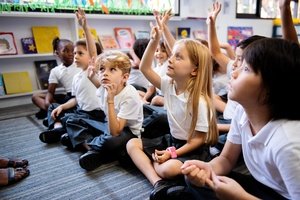
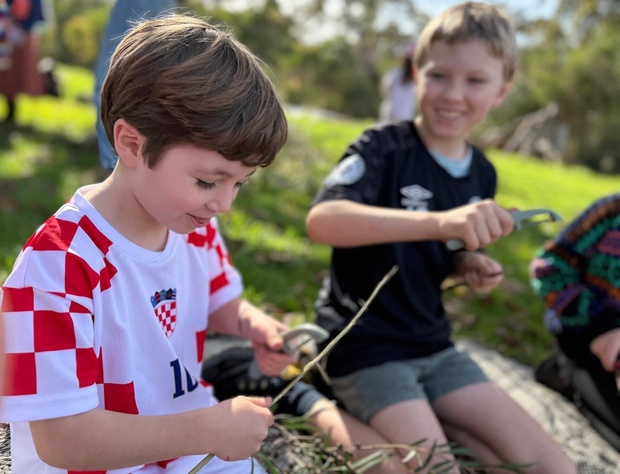
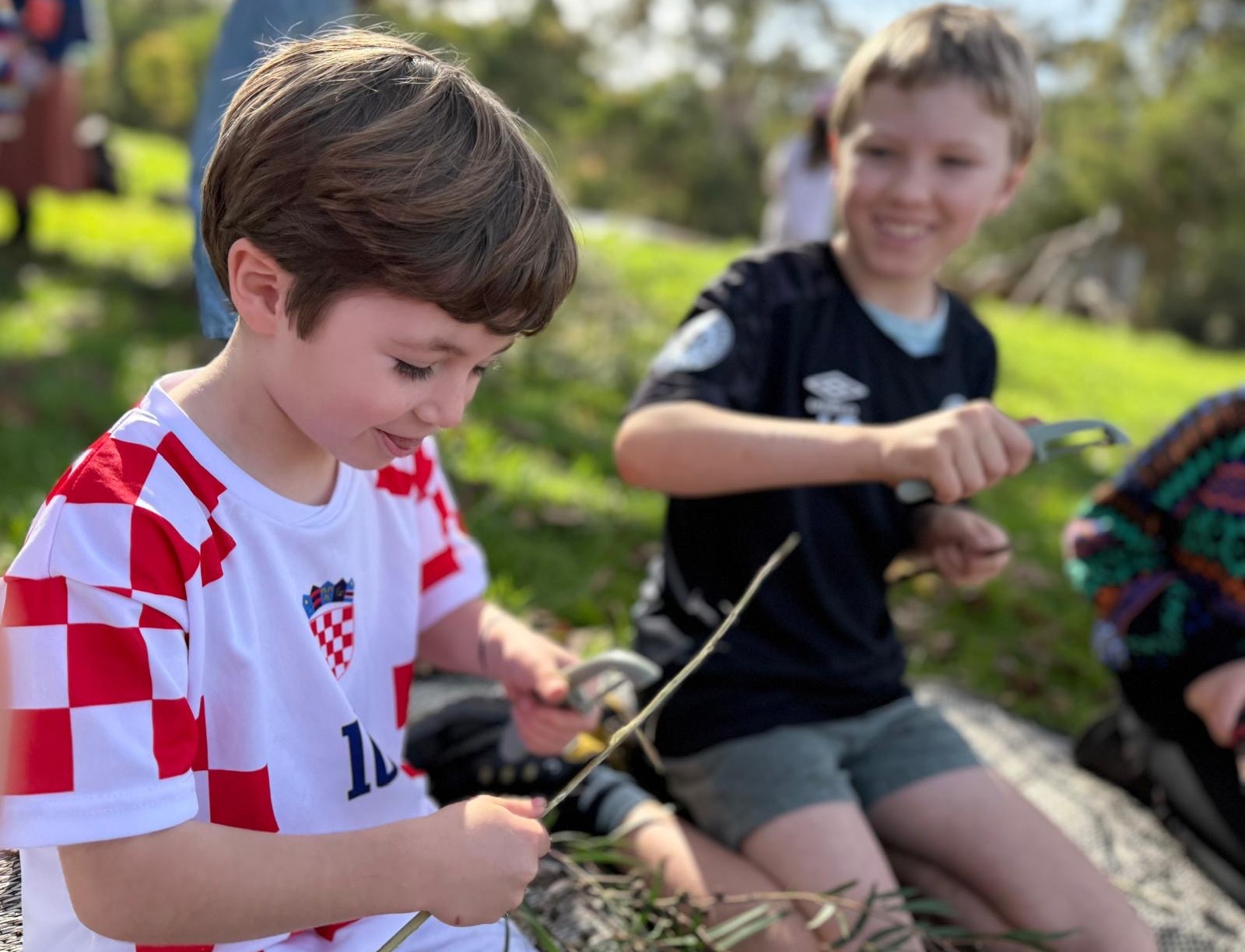
In our school, children are curious, settled, and engaged. Behavioural disruptions are minimised through high levels of support, and a strong sense of social cohesion is present across year levels. Our learning programs are built around student agency and inquiry, where children explore real-world problems, ask their own questions, and express their thinking in diverse ways. And our classrooms extend well beyond four walls into bush trails, gardens, and creek beds.
Rather than competing for teacher attention in crowded, high-stress environments, our students experience what every child deserves: to feel seen, safe, and excited to learn.
And the evidence speaks for itself. In our most recent Resilient Youth survey, our students’ wellbeing ranked 10% above the national benchmark. This figure is difficult to ignore when paired with strong academic results. The Australian Student Wellbeing Framework (ACARA, 2018) reminds us that "students who feel connected, safe and engaged are more likely to succeed academically." We are seeing this in real time, every day.
Play, nature and the science of learning
The secret ingredient? It’s not really a secret at all.
The science of learning has been clear for years: children learn best when they feel emotionally regulated, when they are active participants in their learning, and when they can move, play, create, and connect (OECD, 2021; Center on the Developing Child, Harvard University, 2020).
What’s often missing in traditional settings is the space for these essential conditions to exist. When schools are driven by high-stakes testing and overloaded curricula, the joy of learning can be lost and with it, student wellbeing and long-term success.
At Kwoorabup, we have consciously designed our school around what children need, not just what they are expected to produce. And in doing so, we’ve created a culture where children not only do well on NAPLAN, they thrive in all the ways that matter.
A model worth watching
While media headlines often highlight where schools are struggling, there is immense value in shining a light on what’s working. Schools like ours show that it is possible to nurture children holistically while still achieving strong academic outcomes.
In fact, we believe that our academic success comes from our holistic approach rather than in spite of it.
In regional settings like ours, where community bonds are strong and the natural world is part of daily life, there is an opportunity to lead the way in redefining what educational success looks like. We’re not chasing test results, we’re fostering lifelong learners with the skills, confidence and wellbeing to thrive in a complex world.
As we face the realities of an evolving workforce, climate change, and technological disruption, it’s not rote knowledge that will help our children flourish, it’s the ability to think critically, connect deeply, and adapt courageously.
So while NAPLAN may be just one measure of success, our results are a testament to something bigger: when children are supported to be well, curious, and connected, great things happen.
And maybe, just maybe, it’s time we looked to the trees, the trails, and the trust we place in children and realised that the future of education might not be about doing more, but doing better.