Despite some teenagers inevitably finding ways to bypass the age limits, the data shows large numbers have been booted off platforms.
At present, countries advancing or considering legislation to ban or strictly limit social media access for children, and are watching Australia closely, include the United Kingdom, France, Malaysia, Denmark, Norway and Brazil.
The UK, for example, has launched a consultation on children’s social media use, including a possible ban for children and tougher guidance for schools on mobile phones.
Government ministers will visit Australia as part of its consultation.
The deliberation will look at options including raising the digital age of consent and restricting potentially addictive app design features such as “streaks” and “infinite scrolling”.
There have been growing calls for British Prime Minister Keir Starmer to raise the minimum age for social media platforms, and government powerbrokers have signalled they are open to the idea.
A ban on social media for under-16s has been backed by the House of Lords following growing calls from campaigners, including actor Hugh Grant.
In a heavy defeat for the Labour Government on Wednesday, peers supported the cross-party move by 261 votes to 150, majority 111, meaning it will have to be considered by MPs in the Commons.
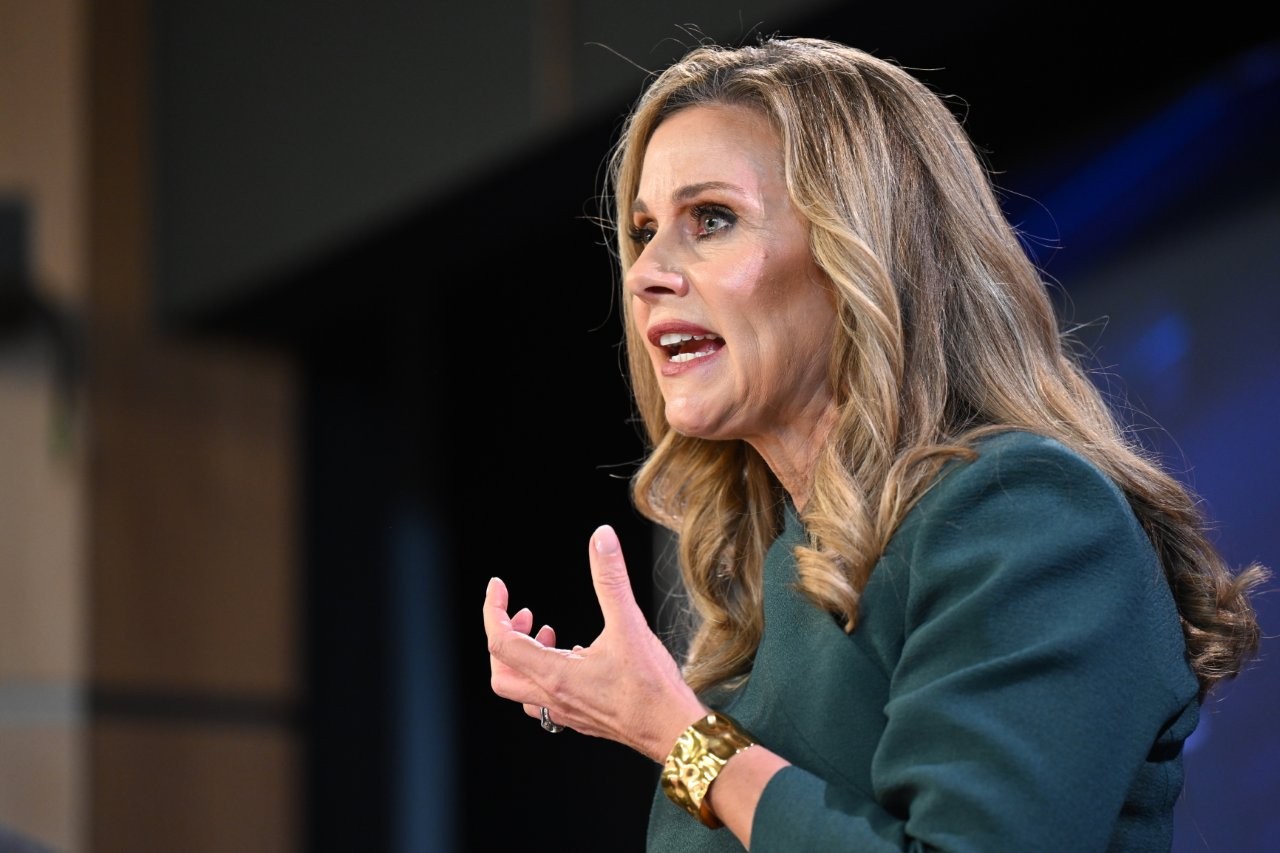
eSafety Commissioner Julie Inman Grant says while some children might have found ways around the rules, the restrictions have still been worthwhile. PHOTO: AAP
Supporters of the Australian-style ban have argued parents are in “an impossible position” with regard to the online harms their children are being exposed to.
The Children’s Wellbeing and Schools Bill will require social media platforms to stop children under 16 from using their platforms within a year.
The Government will also produce screen time guidance for parents of children aged five to 16. Guidance for parents of under-fives will be published in April, it said.
Opposition Leader Kemi Badenoch has already said the Conservative Party would introduce a ban for under-16s if it was in power.
Here in Australia, all 10 companies covered by Australia’s social media laws are complying with bans on children accessing their apps, with almost five million accounts blocked or restricted under the world-first rules.
Federal Government data released on Friday shows the bans are having a significant impact, but the eSafety Commission has declined to release details on how many people have been removed from each platform.
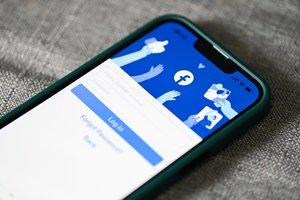
Under laws which took effect on December 10, platforms including Instagram, Facebook, Tiktok, Snapchat and YouTube need to take reasonable steps to ensure children under 16 don’t hold accounts.
By December 12, 4.7 million accounts had been shut down, suspended or restricted, the Government said.
eSafety Commissioner Julie Inman Grant said some children had found ways around the rules, but the restrictions were still worthwhile.
“We don’t expect safety laws to eliminate every single breach,” she told reporters in Brisbane on Friday.
“If we did, speed limits would have failed, because people speed. Drinking limits would have failed because, believe it or not, some kids do get access to alcohol.
“We’re preventing predatory social media companies from accessing our children.”
Prime Minister Anthony Albanese said the ban was a “source of Australian pride” and claimed parents and children had written to the Government supporting the laws.
“There’s a lot of younger people that I’ve spoken to who speak about, ‘gee, we wish that was in place when I was 13 or 14’. It’s making a difference to my younger brother or sister,” Albanese said.
Britain is also looking at following Australia’s lead on the banning of mobile phones in classrooms, with Education Secretary Bridget Phillipson saying they had no place in schools.
“But now we’re going further through tougher guidance and stronger enforcement. Mobile phones have no place in schools. No ifs, no buts,” Phillipson said.
British Technology Secretary Liz Kendall announced a three-month consultation this week, which will consider the advantages and disadvantages of a social media ban, as well as possible overnight curfews and actions to prevent “doom-scrolling”, before reporting back in the northern summer.
However, Tory former schools minister Lord Nash, who spearheaded calls for a ban, argued the late concession simply represented more delay.
“The Government’s consultation is, in my view, unnecessary, misconceived and clearly a last-minute attempt to kick this can down the road,” he said.
“The evidence is now overwhelming as to the damage that this is causing,” he told parliament.
“There is now so much evidence from across the world that it is clear that by every measure, health, cognitive ability, educational attainment, crime, economic productivity, children are being harmed.
“This vote begins the process of stopping the catastrophic harm that social media is inflicting on a generation,” he said after the vote.
Hollywood star Hugh Grant was one of the signatories in a letter to Starmer, Badenoch and Liberal Democrat leader Sir Ed Davey, backing the amendment.
Other signatories included ex-pat Aussie singer Peter Andre and actress Sophie Winkleman, while the letter was also backed by charities Parentkind and Mumsnet.
“Children are being served up extreme content without seeking it out,” the letter said.
Parents know this has to stop. But they cannot do this alone, and they are asking for politicians to help.”
Peers also backed by 207 votes to 159, majority 48, a ban on providing VPN services to children over concerns they can be used to bypass age verification restrictions on accessing adult content.
Changes made by peers to the Bill will be considered by MPs during the process known as ping-pong, when legislation is batted between the Commons and Lords until agreement is reached.
(with AAP)