
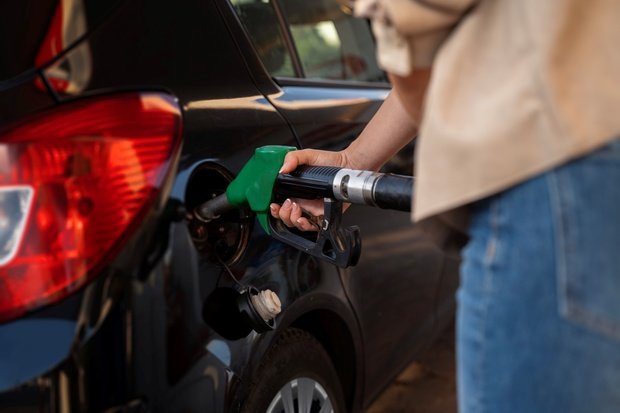
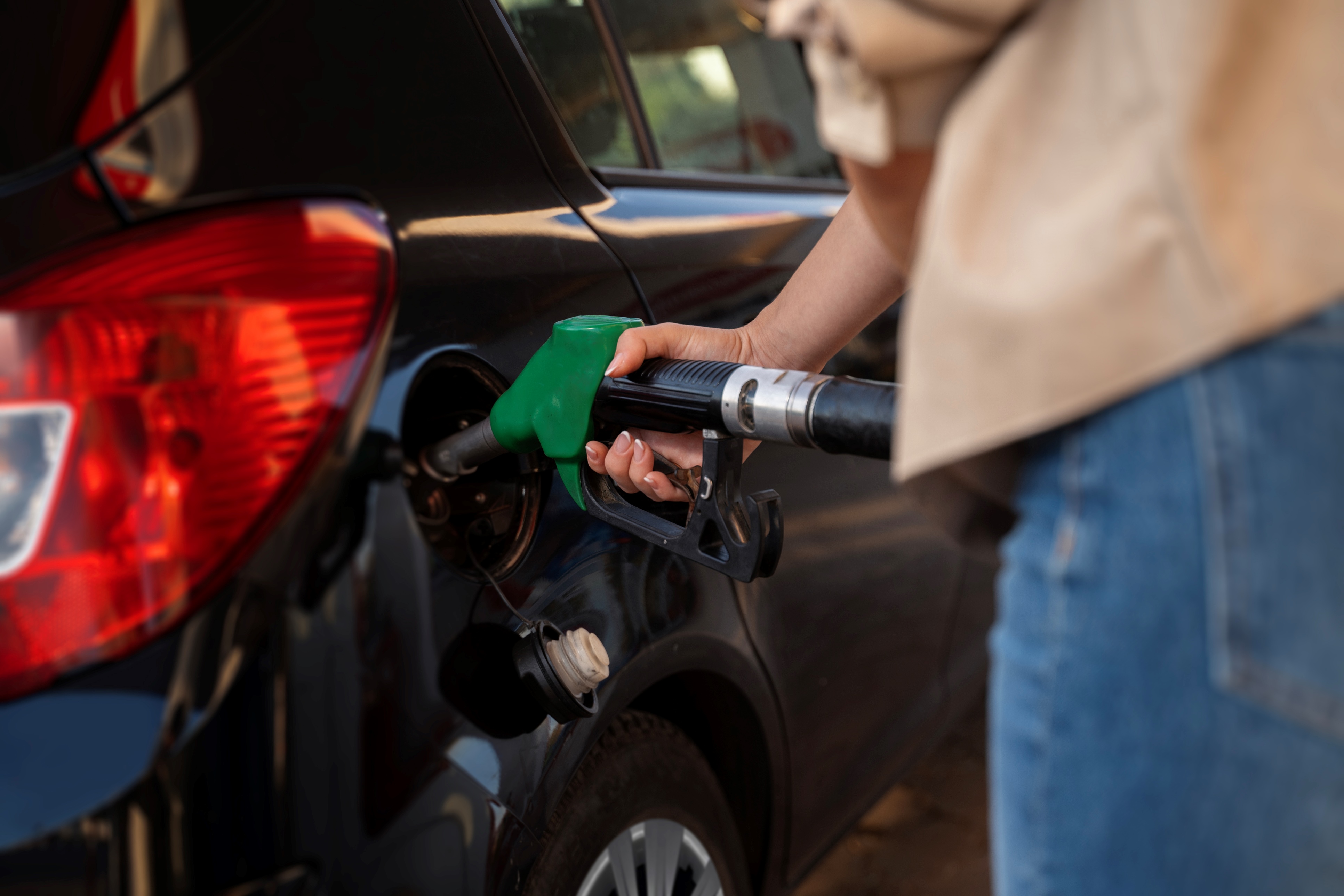
As a result of the war in the Middle East, fuel has jumped dramatically in the past fortnight.
In Melbourne the price of unleaded is sitting at around $2.19 per litre, but once you head further out towards smaller regional towns the price jumps to $2.29 per litre.
In South Australia the average price of unleaded is around $2.19 per litre across most areas, but for drivers in Perth and surrounding suburbs the price is already firmly above $2.29 per litre.
We know that many teachers live far from the school where they teach, as the high cost of housing means that many suburbs are financially out of reach for teachers.
Those who are working as a CRT go where the work takes them, while others choose a school based simply on where they can find a contract position. This leaves many facing a long commute to work each day.
If we assume a teacher (let’s call her Gemma) is travelling 30 kilometres each way to get to school, we can see the real world consequences of fuel spikes.
A 60 kilometre round trip in Gemma’s older model Subaru which averages 10 km per litre using unleaded at $2.29 per litre costs nearly $70 a week in fuel just for her school trip.
Unfortunately for Gemma, she also has to pay to drive on a toll road which adds another $15 a day to her costs, leaving her $145 out of pocket for the week.
For those who are relying on a diesel vehicle, the costs can mount up even more quickly with the price in many places hitting highs of over $2.45 per litre.
Using a different teacher (let’s call him Jin), driving to a school with an 80 kilometre round trip commute, we find there is little change from $100 for Jin’s weekly fuel bill.
Jin also travels on a toll road and pays $12 each way so he can get to work a little faster. Jin’s total costs for going to work are around $220.
While permanent teachers know they have work each day, the weekly budget juggle is even more precarious for CRTs, who don’t always have work for the full week.
This reduces their weekly income, so that although their cost of going to work is reduced, they have less reliable income to cover the stuff of everyday life. Like food and groceries.
Our third imaginary teacher is Tom who works as a CRT across outer-western Sydney. He picks up work around three days each week, but at the moment he can’t find anything during school holidays.
He earns $421 a day, but sometimes has to drive as much as 40 kilometres to get to a school which has a shift available. His travel is often during peak times, as his agency can contact him at the last minute for work.
His older Holden Commodore is not known for its fuel efficiency, and it averages around 15 litres per 100km. This means Tom spends nearly $30 a day in fuel, plus toll costs of $5 each way.
His total spend for three days of work is $120, but he only earns $1263 for the week before tax.
They might not be real teachers, the experiences of Gemma, Jin and Tom do reflect the real world consequences which stem from high housing costs, long commutes and eye-wateringly high fuel prices.