


The findings from Butterfly Foundation’s BodyKind Youth Survey have revealed that more than half (53.8 per cent) of young people in Australia aged 12-18 are dissatisfied with how their body looks and two in five never or rarely feel good in their body.
The Foundation, Australia’s national charity for eating disorders and body image concerns, is spotlighting the many body image-related issues during BodyKind August, a national month-long initiative empowering schools, families and sporting clubs to take simple, practical steps to encourage everyone to be kind to their own body and others.
“... what we’re trying to do is make sure that those environments are really positive and supportive environments for young people and their body image,” Helen Bird, head of prevention services at Butterfly, tells EducationHQ.
As part of the initiative, Butterfly has put together fresh, free, evidence-based classroom materials, tips sheets, digital resources and family activities to help schools and others who support young people, to spark essential conversations and create safe and respectful spaces where all bodies are valued.
“They’re free learning activities – posters, digital clips, workshops – that schools can register for,” Bird explains.
“They’re downloadable, easy to use, some can be teacher-led, some can be student-led, and there are plug and play workshops as well.
“It’s entirely up to schools how they use the content – what we really want them to do is start having those really positive conversations within the classroom, within the staffroom, and just sharing that really positive strength-based message around being kinder to our own body and kinder to other people’s bodies.”
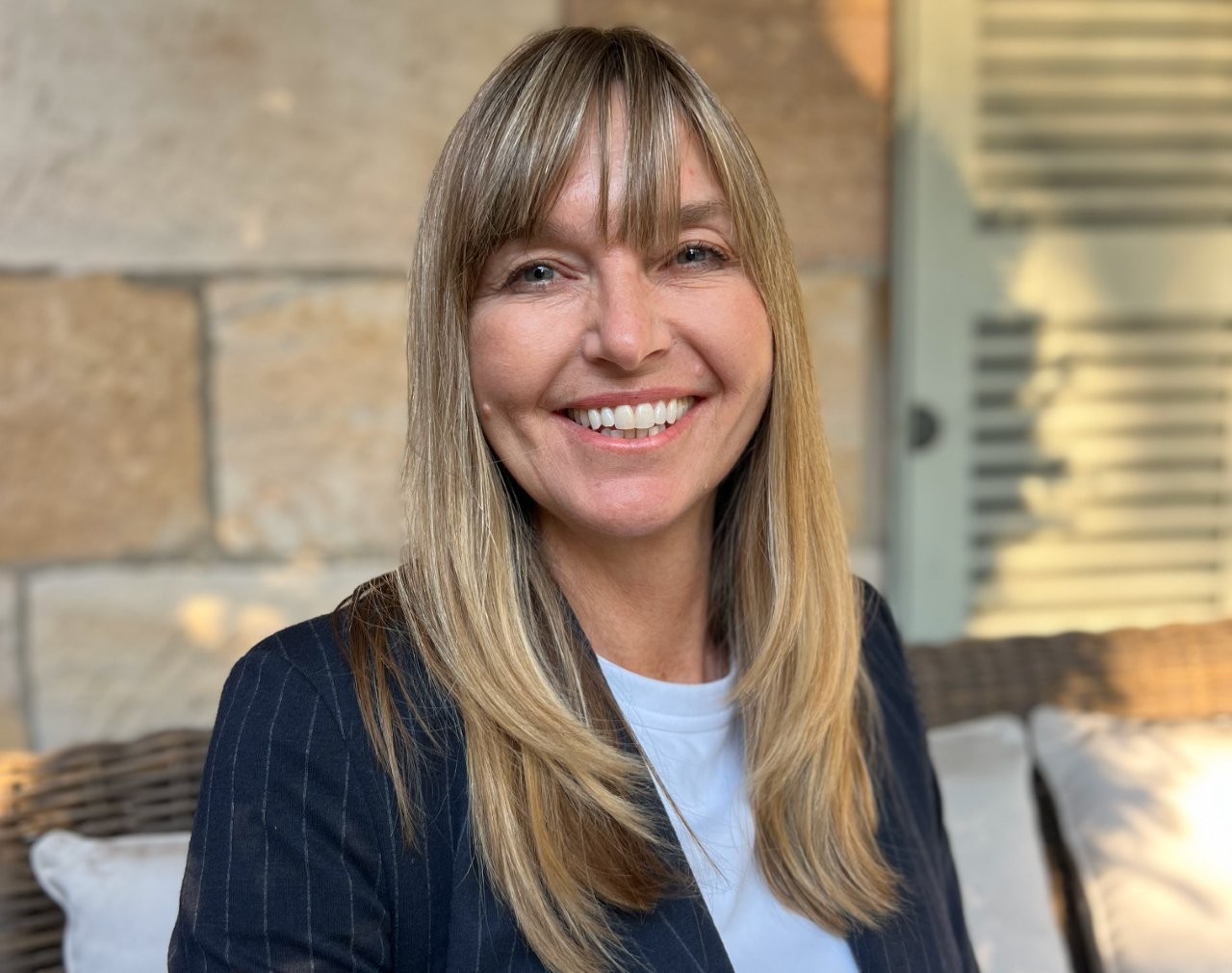
Butterfly's Helen Bird says young people want to learn about eating disorders and body image as part of their everyday lessons, and want to hear from people that have overcome their own body image struggles.
The survey, which Butterfly has been running for the last three years, also found that more than half of young people never, or rarely, speak positively about their body and 7-in-10 never or rarely speak to someone if they’re not feeling good about their appearance.
“We know that body dissatisfaction is linked to mental health conditions such as depression, anxiety, self-harm and eating disorders,” Bird says.
“Young people are telling us they want help and that body image is impacting their schooling, their sports and social relationships.
“And that includes the fun stuff like going to parties or going down to the beach.”
Butterfly has revisited research from 12 years ago, titled Paying the Price, and found prevalence stats suggest eating disorders are presenting earlier in young people.
Bird says one of the reasons is today’s world makes it really challenging for young people to live comfortably in their bodies.
“And that’s because of the rise of social media, the rise of the influencer – there’s so much information out there now around appearance ideals, body ideals, eating, exercise, nutrition, fitness ideals.
“And of course our young people are in that stage of development as adolescents, where it’s natural for them to compare themselves to other people.
“We’ve provided them with so much opportunity to do that – and unfortunately we often compare ourselves unfavourably to other people.”
Bird says while Butterfly recognises the pressures that schools are under, and the plethora of wellbeing initiatives that are out there, body image is one issue that schools actually reach out and seek support in.
“We know that schools are needing assistance in this area, and again, it’s what young people in our survey have been saying for three years – that they really believe that secondary schools, particularly and primary schools, need to be doing more to support body image.
“They want teachers to have training, they want more resources, they want more support, and they actually want to see it as part of the curriculum.”

Research shows that body image issues impact all young people, but particularly young women and LGBTQI+ youth.
Any teacher that can do anything at all to support young people’s body image gets a big thumbs up from Butterfly, Bird says.
“And we just want to make it as easy as possible for them to do something in this space, and make sure it’s flexible so that it can fit with the time that they’ve got available. Any conversation, if it’s a positive one, is a good conversation.”
Ultimately, Bird says Butterfly Foundation is about providing support and advice when children need it – well before things spiral.
“… we just don’t want kids to miss out and not be the person that they could be because they’re worrying about how they’re feeling,” she says.
“And we hear from our lived experience community how so many of them experience that, even in their primary years.
“The unfortunate thing is that sometimes those feelings don’t just disappear with age, we don’t necessarily grow out of it with maturity – and actually, it can really hold fast and hold people back – and we see that every day here at Butterfly.
“So we need to lay those foundations as early as possible.”
To find out more and access resources to support positive body image, click here.