

Five digital platforms are being investigated for allegedly breaching world-first laws requiring them to bar under-16s from holding social media accounts, it was revealed on Tuesday.
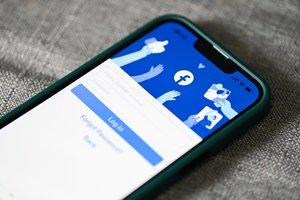
Facebook, Instagram, Snapchat, TikTok and YouTube might have allowed children to access their apps after the age restrictions took effect, Communications Minister Anika Wells said.
Some children had been allowed to create new accounts immediately after older ones were deactivated, the online watchdog found.
Underage users might also have been able to repeatedly attempt age-verification checks until they passed.
Other platforms did not provide appropriate pathways for underage users to be reported, the eSafety Commission said in its first compliance report since the ban kicked in.
Wells said the alleged breaches were unacceptable.
“Big tech is failing and we've spent the summer building evidence to be able to take enforcement action,” she told Sky News.
Systemic breaches of the age restriction laws can be punished with fines of up to $49.5 million.
When the ban took effect, some children said their accounts had not been deactivated, while others reported being able to bypass age-verification checks with relative ease.
Prime Minister Anthony Albanese has long conceded not every young person would be kicked off social media, but enough would be for the restrictions to be effective.
A number of other countries are considering following suit and barring children from social media including Austria, France, Denmark, Spain, Greece and Malaysia.
Indonesia also began blocking under 16s from having accounts on YouTube, TikTok, Facebook, Instagram, X, Bigo Live and Roblox on Saturday.
The crackdown on digital platforms came as the Office of the Australian Information Commissioner published a draft Children's Online Privacy Code ahead of the measure's establishment by the end of 2027.
It carries $50 million fines for breaches and will require online services to act in a child's best interest before collecting, using or sharing their data.
The proposed code would also give children the right to demand permanent removal of their personal data from a range of companies, including social media giants such as Meta and TikTok, gaming apps and search engines.
Attorney-General Michelle Rowland labelled the rules an important step in protecting children online.
“The code is designed to ensure the right guidelines are in place, so that our children's data is collected, used and disclosed in appropriate ways,” she said.
Sarah Davies, chief executive of the Alannah & Madeline Foundation, which works to prevent violence against children, welcomed the draft as a "fundamental shift toward privacy by default".
“We welcome this code and call for clear penalties for non-compliance," she said.
“It's no small task to change the way the tech industry handles children's data. But with the rise of generative AI and other digital technologies, we cannot afford not to do it.”
Under the draft rules, online services would need to collect the minimum personal information required to operate with privacy measures for children set to maximum.
Digital Rights Watch head of policy Tom Sulston said the same rules should also be in place for adults.
“The core of this code - its broad application, its focus on best interests, and a right to deletion - are currently not available to either children or adults,” he said.
“The code is a huge step forward and we'd like to see it work for adults as well as children.”
AAP