
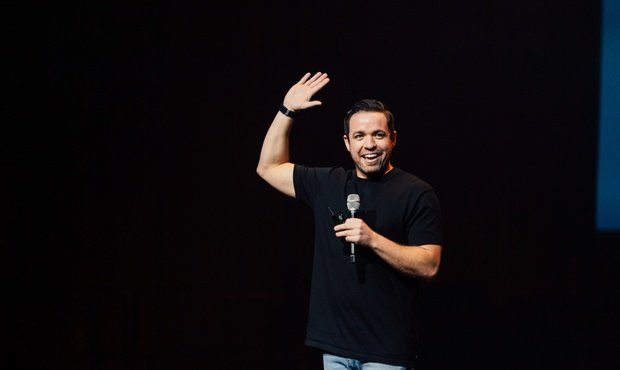
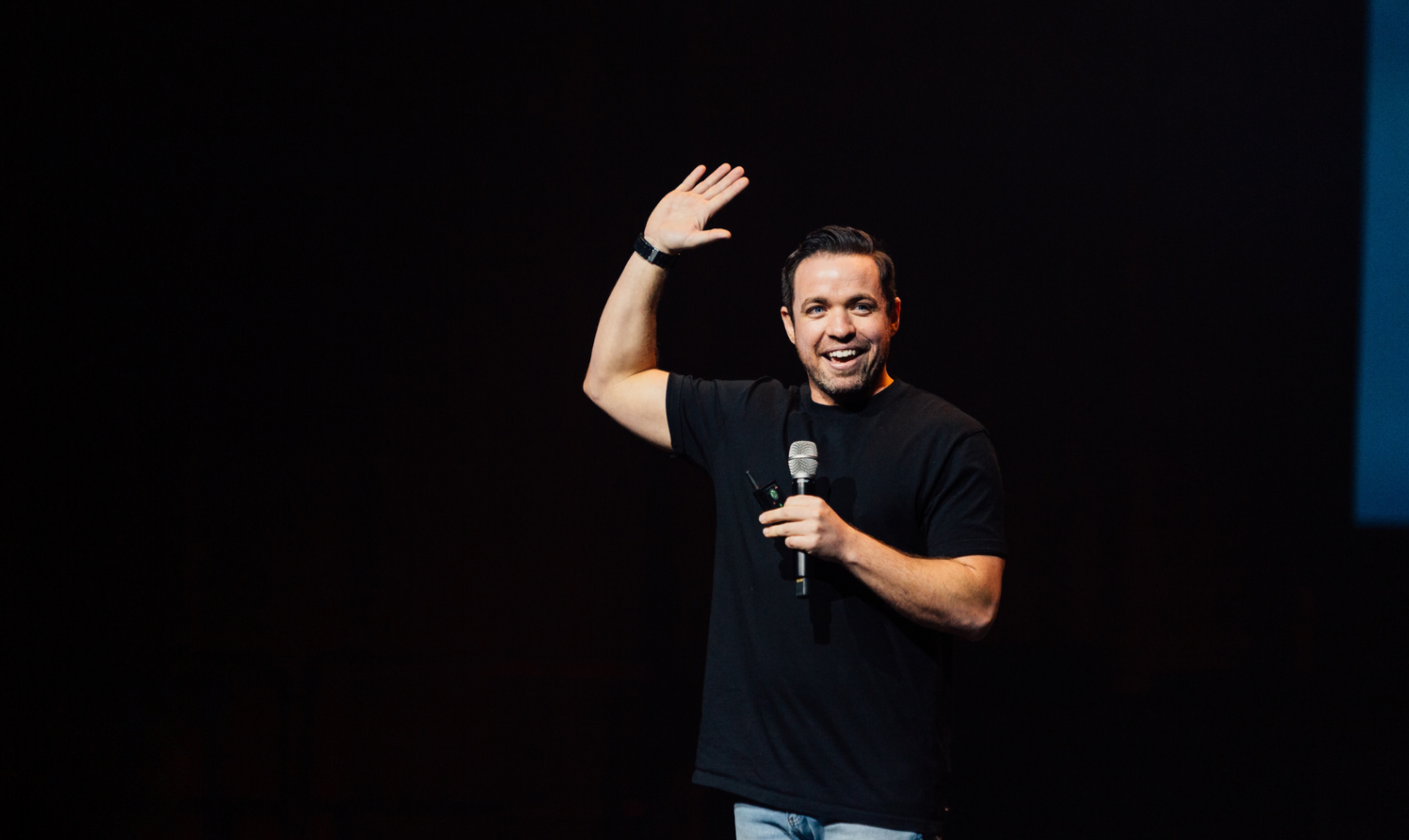
But an hour spent with a school counsellor in his final year blew apart every narrative he’d spun about himself and his perpetrators.
“She got out this piece of paper and said, ‘why do you think you get bullied so much?’ Shannon, a motivational speaker originally from New Zealand, tells EducationHQ.
“I said, ‘well, I’m an easy target. There’s a big mole on the side of my face. I’ve got glasses that I don’t like. I’m short. I’ve got acne. I’ve got dyslexia.
“I just started going through all these reasons on why I got bullied and why I got picked on and why I overreact.
“She wrote them all down, and then said, ‘Jonny, I don’t think the reason you get bullied is because you have disabilities or any specific failing, I think it’s because you’re hypersensitive.’”
Shannon was stunned.
“I was used to people saying it’s always the bully’s fault,” he reflects.
The counsellor produced a blank piece of paper and drew a line down the middle.
“She said, ‘I’m going to do an exercise with you that I think is going to change your life’. And it really did…”
Working with two prompts ‘things I can change’ and ‘things I can’t change but need to change the way I think about them’, Shannon jotted down a long list of his insecurities.
“She went through them one by one,” he says.
“For instance, [tackling the mole I had] she goes, ‘well, when you get older, you can get that cut out if you want to’.
“And I did … the interesting thing was, when I got home, I’ve got five brothers and not one of them noticed that I got my mole taken out.
“It made me realise a lot of this stuff was just in my head,” he says.
The exercise has shaped Shannon’s understanding of bullying and the power relations that play out in schools, revealing one core truth: “if you can become secure in your insecurities, no one else can use those insecurities against you”.
“I memorised the list, went to school, got bullied for the exact same things all over again. But this time, I didn’t react. The [bullies didn’t have] any power,” he says.
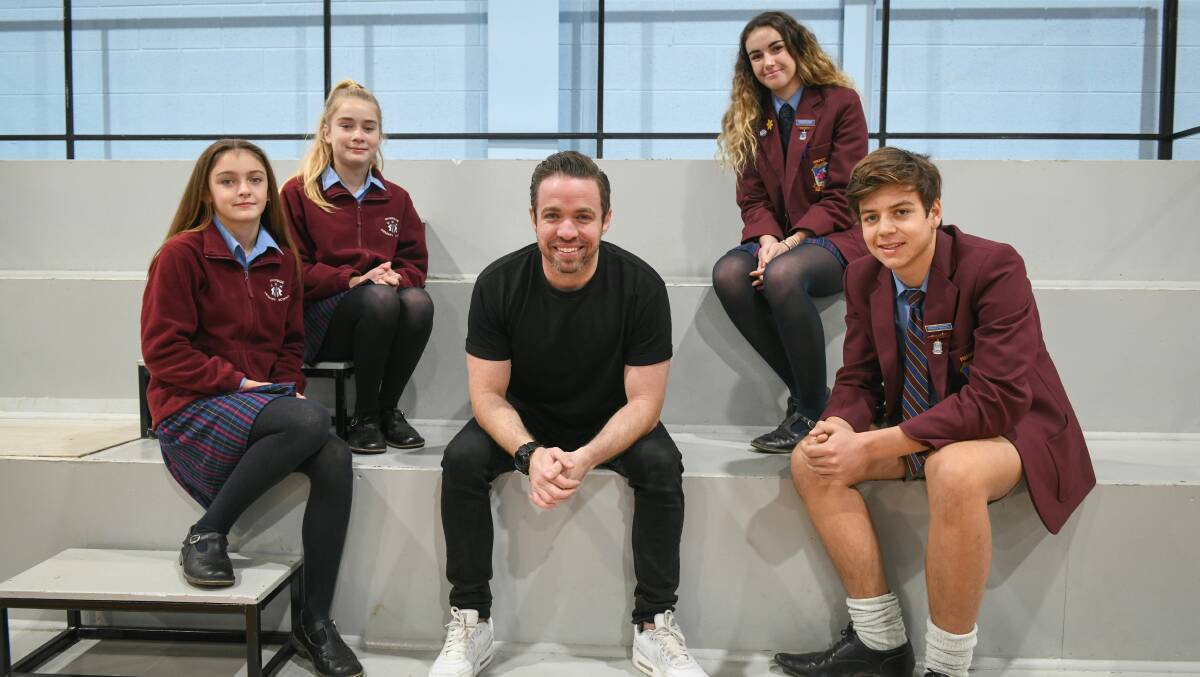
Shannon says his unique insights on bullying land well with school students.
This is one of the key insights Shannon now offers to students in a suite of talks that cover topics including mental health, building resilience, drugs and alcohol, sex and relationships, as well as bullying and cyberbullying.
His presentations have also been sought after by youth prisons and influential companies, the likes of Qantas and those in the Fortune 500.
His message to children being targeted is clear:
“They need to know that you can become secure in your insecurities, you can not react in certain situations. You can take the power back – and 95 per cent of the time, it works.”
So why is it that the vast majority of children will overact when they are handed an insult?
“It’s because it’s like a bruise,” Shannon says.
“…when I go to high schools and say ‘hey, who’s ever had a friend that had a bruise on their arm? How many people here have poked it?’ the vast majority, 99 per cent of people, put their hand up and they don’t know why.”
It’s all about the expected reaction, Shannon adds.
“We think it’s funny because we see a bruise, we tap it and you see a massive reaction. The funniness isn’t necessarily about hurting the person. It’s this idea that I don’t give a lot of energy but I see a huge reaction.
“All a bruise is, is sensitive skin.”
In the five per cent of cases where the bullying continues despite receiving no reaction, now is the time to approach an adult, Shannon advises.
“That’s when I tell young people, ‘hey, if they’ve hassled you three times in a row, you haven’t reacted, you’re being calm to the best of your ability, that’s when you then go to a teacher and say ‘look, I’ve asked this guy to stop, it’s happened three times and it keeps happening.’”
Here the child being targeted is actually in a position of power, he notes.
“You have almost like a legal case, you’ve got a case to build, and you’re not getting labelled as a telltale or as a victim or anything else. It’s a very methodical process of figuring out, is it actually bullying?”
Shannon says he has been approached by large media corporations to speak about bullying, only to be later declined once he outlines his perspective on the problem.
One unpopular argument he stands by is that most of what is deemed bullying in schools is, in fact, a case of conflict resolution.
“If you peel a couple of layers back, you start realising what most kids talk to parents and teachers about isn’t actually bullying, it’s conflict resolution.
“… Einstein did say it: clearly identifying the problem is half the solution.
“… I’m very quick to say, I’ve done a lot of research on this topic, I’ve interviewed some of the best people in the world [and those in the top echelon agree] that the vast majority of the time when kids go to teachers, it’s not actually bullying.”
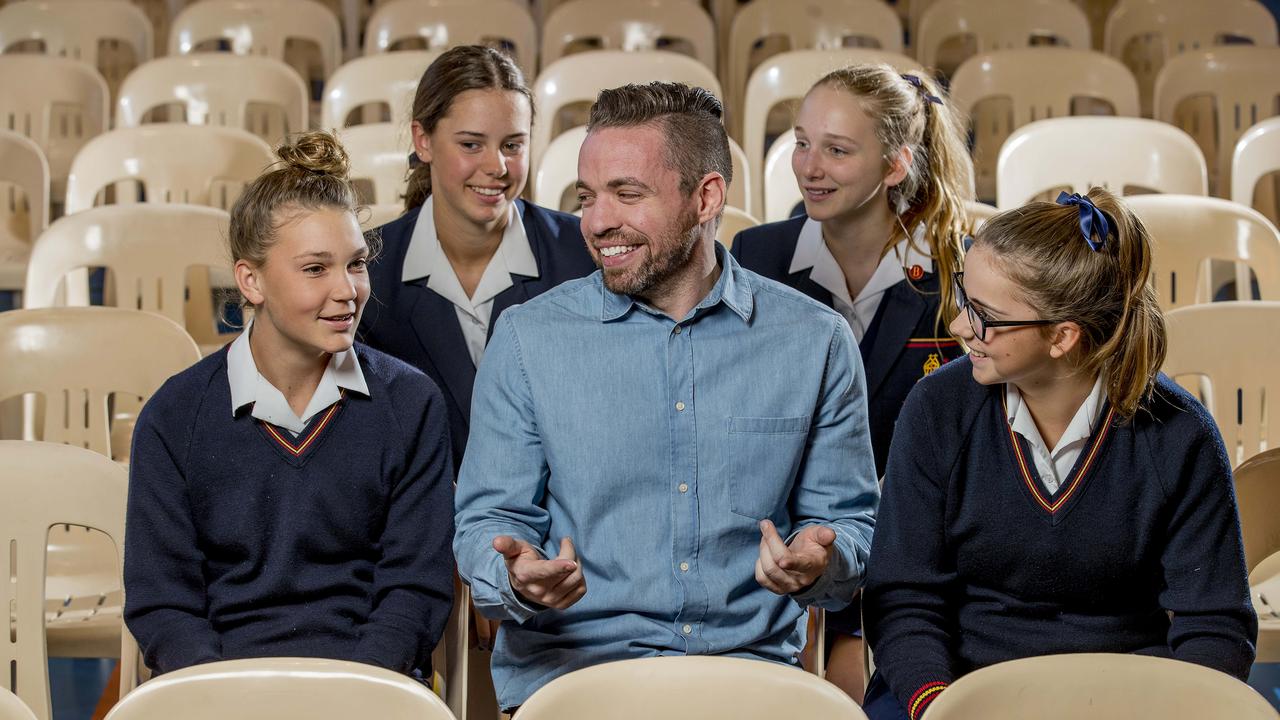
Shannon says he has been approached by large media corporations to speak about bullying, only to be later declined once he outlines his take on the issue.
Last year an expert called for a national standard to stamp out bullying in Australian schools, warning confusing labels, off-the-mark definitions and programs with hazy evidence are clouding the scene.
Dr Grace Skrzypiec, a school bullying researcher and senior lecturer at Flinders University, warned many available interventions for schools are based on flimsy evidence at best.
“People rushed into trying out different things when, in fact, they hadn’t done the research to understand the bullying phenomenon, per se, because bullying has a specific definition.
“People talk about bullying, but they don’t actually understand the academic definition that’s used in research, which is that it’s a repeated, deliberate, aggressive act between a perpetrator and a victim, where the perpetrator has more power than the victim, and the victim feels helpless to fight back.
“And unfortunately, there aren’t too many instruments at all that actually measure bullying. That is one of the issues of the research,” Skrzypiec flagged.
Shannon says more than 75 per cent of school bullying in Australia is based on appearance, sexuality or disability.
It’s telling then, he says, that in a survey of more than 9000 young people around the country, some 84 per cent said their experience of bullying did not involve any of these.
“In other words, it wasn’t targeted, and … one of the first questions I ask is, ‘can you think of anything you’ve done to provoke them?’”
The energy children carry around their school matters, and it pays for students to be aware of the subtle ways in which they interact with peers and move about campus, Shannon says.
“[In my case], a counsellor had to have a serious conversation with me and say, ‘Jonny, the way you walk around school is quite intense, it looks like you’re holding a lot of anger; you stare when you look at people.
”One of the biggest reasons I got hassled was … because I had this tendency of looking like I was staring, like I was being aggressive.
“So in an hour-long presentation, I go through that nuance of like, ‘hey, where are you on the scale? If somebody was to see you, would they think that person’s friendly, would they think they’re neutral, or would they think that person is aggressive?’”
For students who believe they have been the target of bullying, it pays to ask some direct questions, Shannon says.
“Can you think of anything you’ve done to provoke them? Are they treating other people the same way?
“Because if that person is being annoying to everybody, well, it’s not targeted then, by definition.”