
That’s according to Smiling Mind, a digital, prevention-focussed mental health not-for-profit, which through its renewed Our Kids Count campaign, is calling on the public to sign an open letter demanding urgent action from political leaders for 5 to 12-year-olds.
Back in 2023, more than 11,000 signatures were received by the organisation for the campaign and tabled in Federal Parliament by Independent MP Zali Steggall – yet to date, no action has been taken.
“The numbers are devastating and they’re only getting worse,” Smiling Mind CEO Sarah La Roche tells EducationHQ.
“Research shows a 50 per cent increase in youth mental illness between 2007 and 2022, and suicide remains the leading cause of death for Australians aged 15 to 44.
“The election promises of our politicians are a step in the right direction for mental health but they don’t go far enough in supporting our kids to thrive through proactively building mental wellbeing.”
Signs of mental health challenges are appearing far earlier than adolescence, according to La Roche.
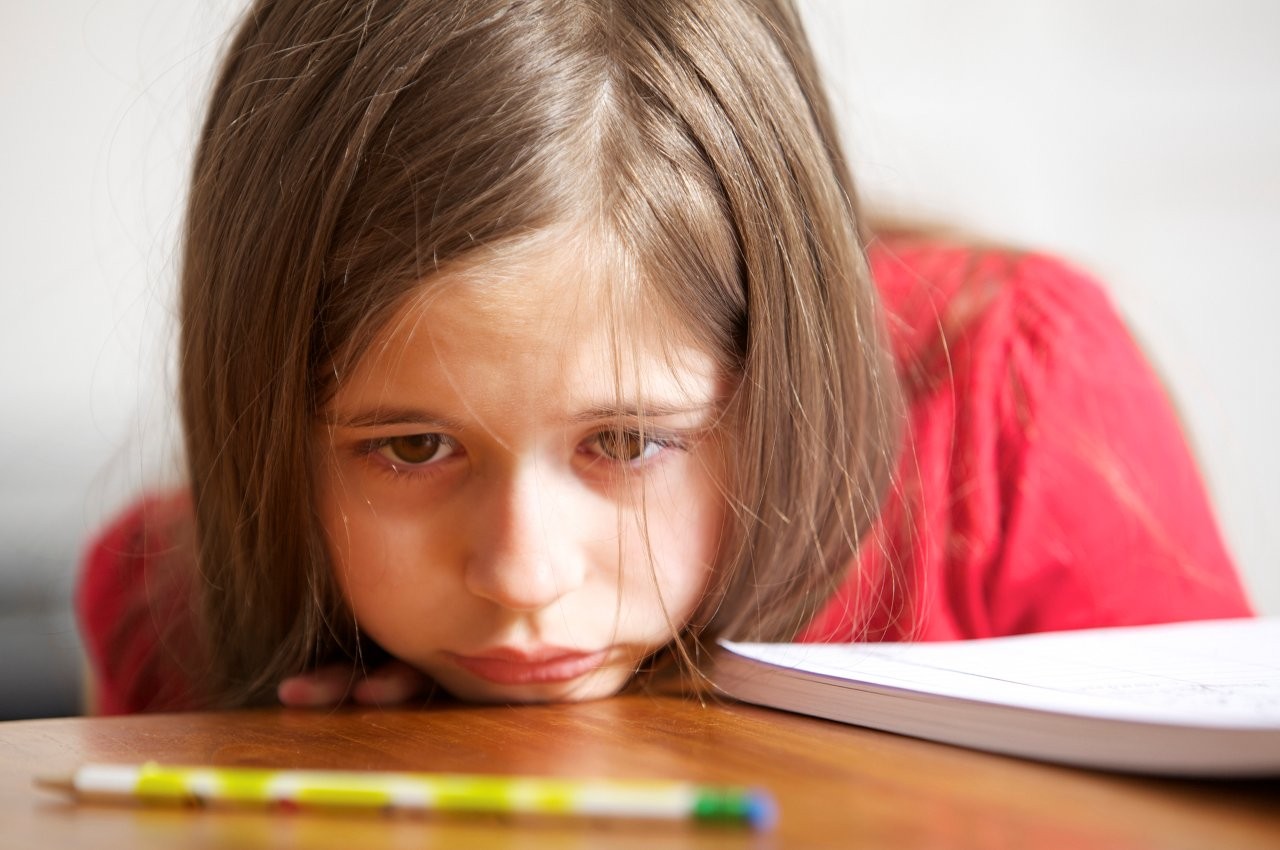
Smiling Mind’s most recent State of Mind research found that among children aged 4-12, 42 per cent are showing symptoms of anxiety, 27 per cent are experiencing stress, and 11 per cent are exhibiting signs of depression.
“These figures tell a clear story: if we don’t intervene during the primary school years, we risk setting children on a trajectory towards serious mental illness later in life,” La Roche says.
“Without significant change, the number of Australians living with mental ill-health will only continue to rise.”

Despite the fact that half of all mental illnesses begin before the age of 14, the national conversation – and investment – continues to focus largely on crisis care and adolescent mental health, leaving children aged 5-12 overlooked, Smiling Mind CEO Sarah La Roche says.
The pressures facing today’s families are complex and growing, La Roche explains, from the lasting impacts of a global pandemic to the rising cost of living.
Many parents and caregivers are feeling overwhelmed, stretched thin by demands on their time, energy, and finances – and inevitably, children are feeling the effects too, she says.
“When we think about children’s mental health, we have to recognise how deeply interconnected it is with the wellbeing of the whole family,” she says.
“When caregivers are supported, children are better able to flourish. But when caregivers are struggling, the effects can ripple through families and communities.”
At the same time, children today are navigating a world that’s more complex, fast-paced, and uncertain than ever before, yet as a society, La Roche contends, we aren’t doing enough to equip them with the skills and capabilities they need to manage these pressures – things like emotional regulation, resilience, and healthy coping strategies.
“The rise in mental health issues among young people is not just about greater awareness or better diagnosis; it also reflects a deeper problem: we are not investing enough in supporting positive child development from the earliest years.”
At present, children and their families are struggling to access vital mental health support.
“Our overwhelmed system simply can’t keep up with the growing demand. As a result, too many children are falling through the cracks – and when they do seek help, the wait is often too long,” La Roche says.
“If we want to change the trajectory for the next generation, we must act early, investing in building strong mental foundations during childhood, rather than waiting for problems to escalate.”
She claims if the focus is shifted to promoting and protecting mental wellbeing before problems arise, the trajectory can be changed for an entire generation.
“Schools, families, and communities all have a role to play, supporting children through structured programs that teach mental fitness skills early – just like we teach children how to read and write, or how to swim before they’re thrown in the deep end,” she says.
Education systems have long recognised this and have been quietly building children’s social and emotional skills alongside learning, La Roche explains.
But without greater investment and support, schools cannot do it alone.

A generation of children with strong mental health will mean lower rates of mental illness, reduced pressure on our healthcare systems, and billions of dollars saved each year in the treatment and management of mental ill-health.
“We have the blueprint for change – the National Children’s Mental Health and Wellbeing Strategy – but nearly four years since its release, governments have failed to act.
“By the time children reach crisis point, it’s often too late for early intervention. Ignoring prevention is not only short-sighted – it’s costing lives and putting increasing pressure on our health system.
“If we want to turn the tide, we must stop applying old models to young children. We need a new approach – one that builds strong mental health foundations from the start.”
Smiling Mind’s Our Kids Count campaign is calling on Australian politicians to:
- allocate at least 5 per cent of total mental health funding to prevention;
- fully fund and implement the National Children’s Health and Wellbeing Strategy;
- deliver a 24/7 national digital mental health service for children and families; and
- appoint a Federal Minister for Children to ensure their needs are prioritised across all policies.
Murdoch Children’s Research Institute paediatrician and Smiling Mind Board Director, Professor Frank Oberklaid AM says the mental health of future generations depends on the action taken now.
“The policy approach from both sides of politics ignores the evidence that we need to focus on prevention and on children,” Oberklaid says.
“The evidence shows us that if we shift the dial to invest in prevention, we can change the trajectory for the next generation.”
La Roche says the response from primary school educators and parents to the campaign highlights just how deeply the need for better support for children’s mental health is felt.
She says if as a teacher you’re concerned that a student might be struggling, you’re not alone - and it’s not all on your shoulders to fix.
“Teachers play a vital role in supporting children’s wellbeing, but it’s a shared responsibility across schools, families and communities,” La Roche says.
“There are services, resources and programs available to help, many of which are listed on the Smiling Mind website.
“They can guide you in taking small but powerful steps to support students’ mental health and wellbeing.”
To learn more about how to support the Our Kids Count campaign, and help build mental fitness skills in primary schools, homes and the wider community, click here.