

The harmful effects of this are manifesting in classrooms across the country, Monash University’s Dr Naomi Pfitzner says, as boys are falling prey to the misogynistic messaging from figures such as Andrew Tate who are out to convince their young audience that schools and universities are a waste of time.
“[These influencers] claim that education is not the key to success and financial independence,” Pfitzner tells EducationHQ.
“They claim that entrepreneurship is the key to success in life and that if you follow and subscribe to their entrepreneurial ‘universities’ … and their different services that they offer, that they will give you the keys...”
Some ‘academies’ on offer cost thousands of dollars.
Pfitzner, who is director of the Monash Gender and Family Violence Prevention Hub and is leading a research project investigating the manosphere’s rising influence amongst young people, says the reports emerging from schools are concerning.
“We are hearing a number of stories about boys and young men in schools refusing to acknowledge the authority of women teachers and school staff – refusing to even respond to them, but also then engaging in quite sexist and misogynistic behaviours and language towards both their peers but also to women teachers…
“Our big concern is if they do start believing the messaging from the manosphere about education not being important for their futures, we’re worried that that will lead to disengagement in class – reduced engagement in discussions or skipping classes or not attending school altogether,” she adds.
Manosphere influencers capitalise on the largely normal anxieties and insecurities faced by boys to turn them away from formal education and into their own money-making schemes, the researcher suggests.
A key message is that schooling has been infected by a woke agenda and that boys are being left behind in a system that is neglecting their needs.
“They are often quite hyper-fixated on saying that the woke agenda has gone too far and we’re too fixated on political correctness and cancel culture, and then they offer what they claim are very simple solutions.
“So, they encourage male dominance and self-improvement but sometimes through quite harmful fitness regimes,” Pfitzner says.
A related troupe espoused is that boys and young men have been unfairly portrayed as oppressors, when in reality they are the victims of an education system that is actively biased against them,” the expert says.
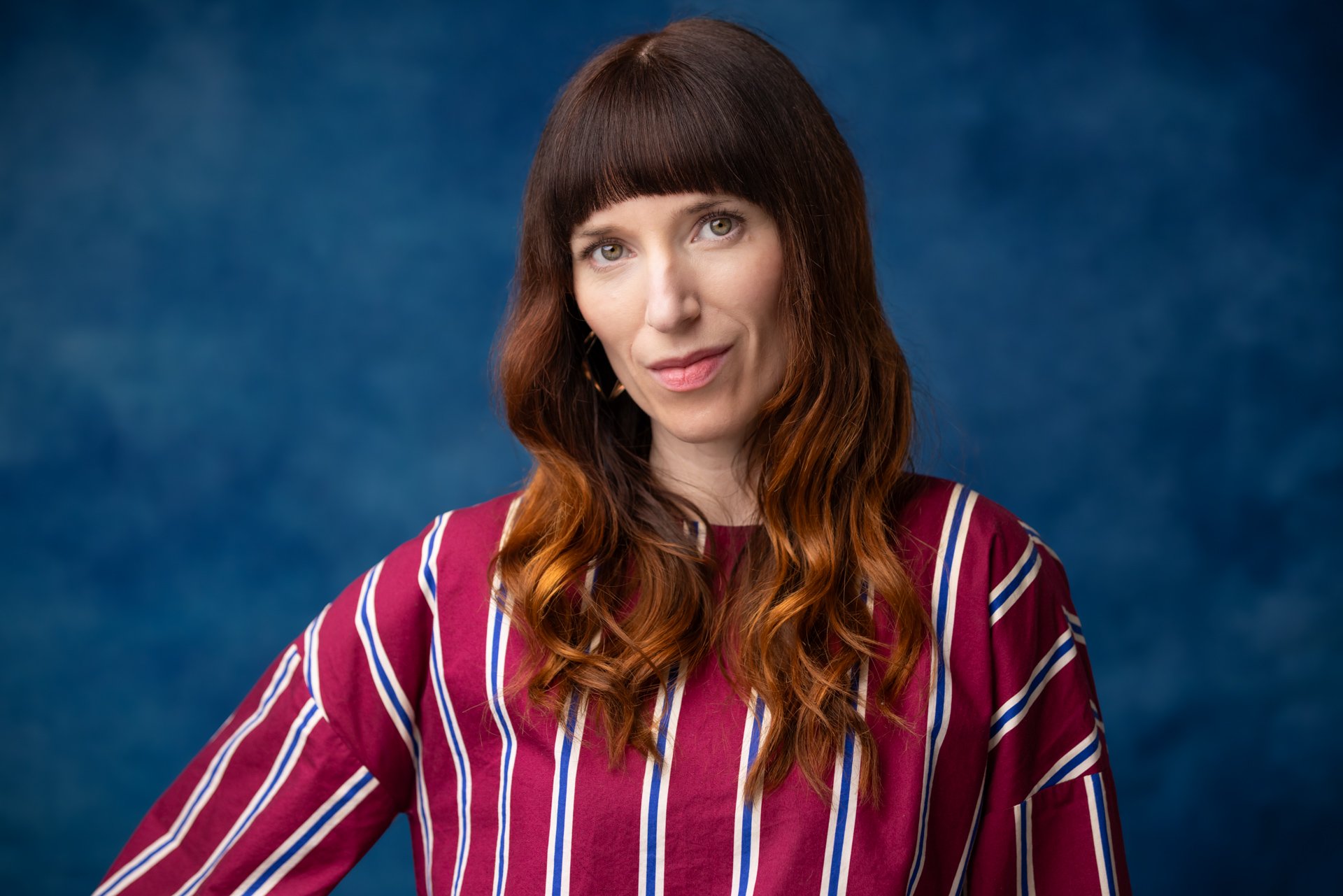
Dr Naomi Pfitzner says girls and non-binary students have also been negatively impacted in a big way by the manosphere.
It pays to remember that influential figures in the manosphere are “absolutely selling something” to their young audience, the researcher notes.
As one group of experts flag, once a niche network that lurked on the margins of the online world, the manosphere community of male supremacist cultures has grown into a global profit-making enterprise where a plethora of products now target boys and young men.
“Followers can buy one-on-one dating advice or access to networking groups of like-minded men.
“There’s also manosphere podcast merchandise, including books.
“Some sell supplements, like turmeric capsules, or swear by testosterone injections. Others peddle wellness-adjacent tech, such as water filters,” they flag via The Conversation.
Pfitzner is quick to call out the ‘monetisation of [boys’] insecurities’ – a fey feature of the manosphere, she says.
“They are like, ‘if you subscribe or you pay to have a deeper engagement through one of our online sessions, then we will give you the keys to success’.
“This can take different forms, even for fitness influencers within the manosphere, it’s about ‘if you buy my particular brand of supplements or you attend the gym that I have an endorsement agreement with, then you will be successful in life’, so there absolutely is a financial angle to all of this.”
There is zero evidence base to support the manopshere claims about education either, Pfitzner says.
“This is one of the challenges, because manosphere influences and commentators position themselves as ‘truth tellers’ and ‘knowers’, and they say that they are an authority on these issues, when we would probably question whether they are a credible source of information.
“But essentially their messaging is they believe that young boys have been discriminated against in education and left behind because there’s been too much of a focus on equal rights for women and diversity movements…”
Girls and non-binary students have been impacted in a big way too, Pfitzner reports.
“We have heard a lot from girls and non-binary youth that because of the manosphere related-behaviour of their male peers they have become extremely concerned about speaking up in class, they’re really reducing their participation in discussions because they’re worried that they will be called out or ridiculed…”
A recent study found one in four girls in secondary schools feel unsafe due to behaviour influenced by the manosphere, the researcher adds.
“That’s leading to them skipping class or leaving school altogether, so it is really having a huge impact on classrooms,” Pfitzner says.
The researcher’s team have just released a new resource for secondary schools grappling with the impacts of the manosphere.
It offers an overview of its destructive impacts on young people, teachers and school communities, and canvasses the key beliefs shared in toxic online spaces, as well as the links to violence and influencers’ recruitment strategies.
The role of social media in fuelling the radicalisation of boys via targeted misogynistic content is also unpacked, with practical advice about how schools can intervene and respond to these issues.
Building students’ critical literacy skills is a critical part of schools’ response, Pfitzner says.
“Particularly in this kind of post-truth world, it is so important for all children and young people to have critical thinking because they are seeing [harmful narratives] promoted in the manosphere, but also by some very public figures and politicians.
”We really need to equip [them] with an idea about source credibility, so thinking about really questioning particularly these influencers and content creators – are they actually an expert? What are their qualifications, what gives them expertise, or do I need to fact check what they’re saying and the messages they’re putting out?’”