Now in its 10th year, the GEMS Education Global Teacher Prize, a Varkey Foundation initiative organised in collaboration with UNESCO, is the largest prize of its kind and was set up to recognise one exceptional teacher who has made an outstanding contribution to the profession, as well as to shine a spotlight on the important role teachers play in society.
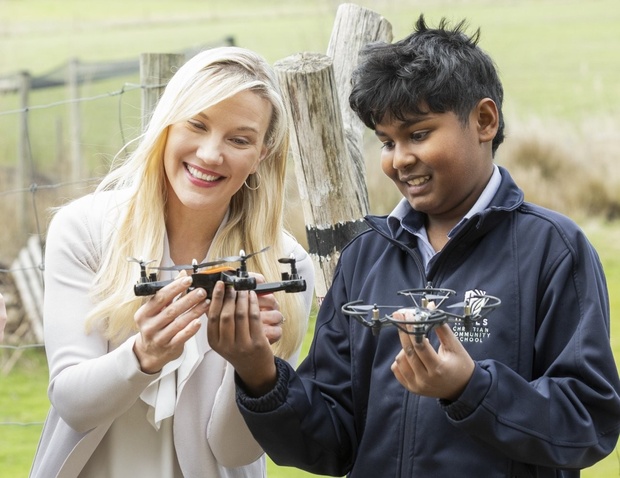
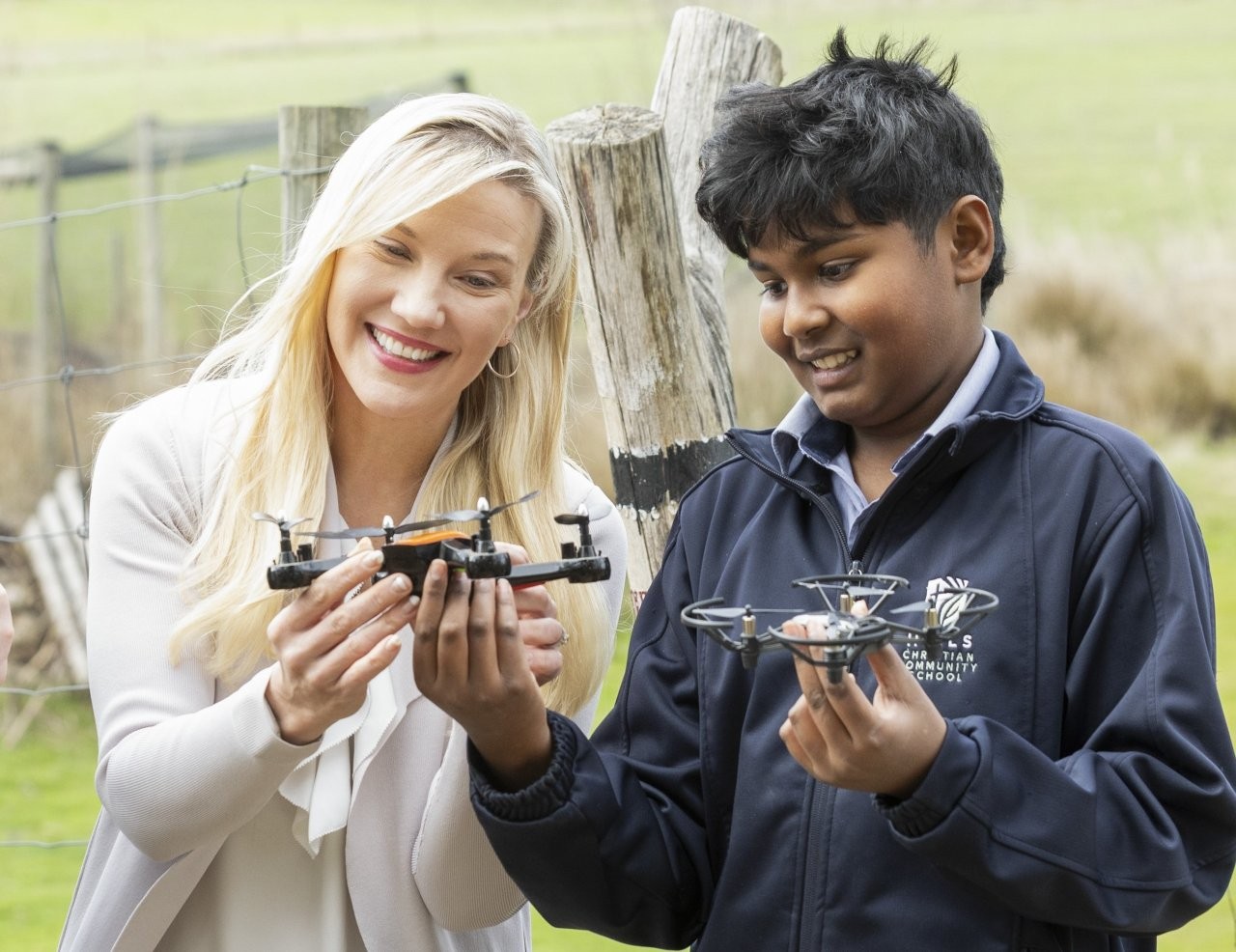
O’Rourke is a visionary STEM educator at The Hills Christian Community School in Adelaide Hills, whose work reimagines what digital learning can look like for neurodivergent students.
She was selected from more than 5000 nominations and stories of heroes who have transformed young people’s lives. Applications were received from 139 countries.
She joins Nigeria’s Adeola Olufunke Akinsulure, Italian Alfonso Filippone, Spain’s Ana Hernández Revuelta, Poland’s Ewa Stefania Drobek, Argentine Gloria Argentina Cisneros, Jasmyn Nicole Wright and Timothy James Stiven from the United States, Colombian Joshue Castellanos Paternina, India’s Rouble Nagi in the top 10.
While O’Rourke’s top 10 achievement is a wonderful accolade for the humble South Australian, the acknowledgment won’t come as any great surprise for those aware of the tireless educator’s unwavering commitment to bettering the lives of her students.
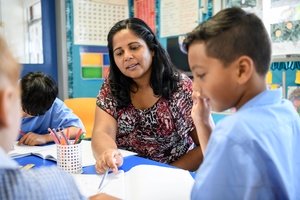
More than a third of the student cohort at The Hills Christian Community School are identified through the Nationally Consistent Collection of Data, and many live with ADHD, autism, learning disabilities or mental health challenges.
A Highly Accomplished and Lead Teacher (HALT), O’Rourke became a teacher to build classrooms that protect children’s confidence and has spent the last 20 years designing digital learning that welcomes, rather than excludes, neurodivergent learners.
Her Nature-Nurture-Network curriculum, a transformative model that connects digital technologies with outdoor, nature-based learning, links coding, artificial intelligence and extended reality with river ecosystems, pollinators and plant life on the school’s nine-acre bushland campus.
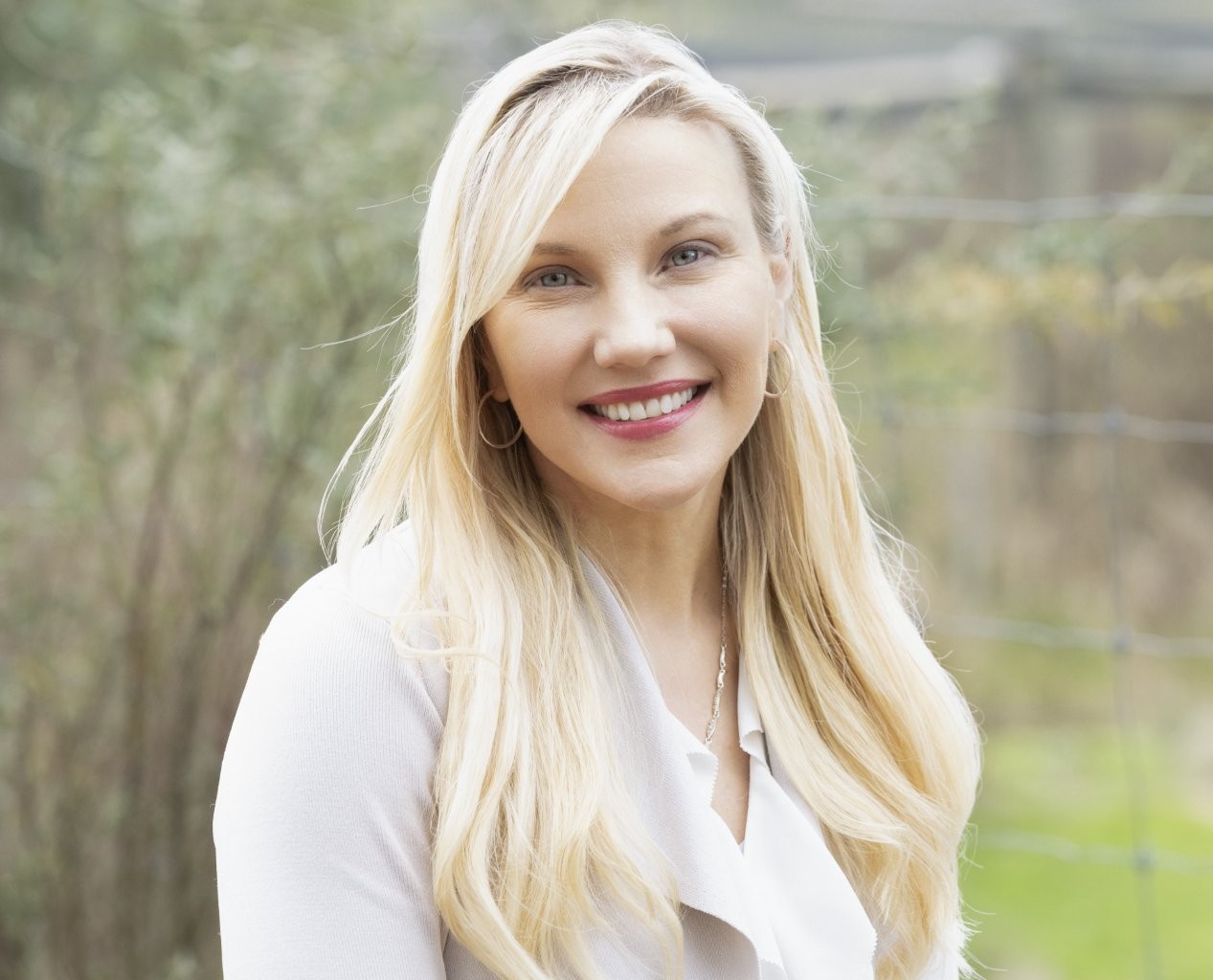
“I like to say to educators, ‘make sure you’ve got all your ducks in a row and once you’ve laid those foundations, walk through it with the students, talk about the bias and the misinformation and as you engage with these tools, be a model of ethical use of AI’,” O’Rourke says.
Students compare computer systems with natural systems, collect environmental data with sensors and drones, and create virtual reality river restoration tours and cross-cultural VR pen pal exchanges with Indigenous and international schools.
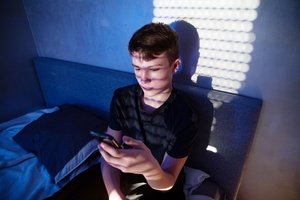
“… digital dependence is a huge problem at the moment and kids are disconnecting from nature. We want to plug them back in while still building digital literacy which is also very important…,” O’Rourke told EducationHQ late last year.
“What we’re doing is drawing authentic connections. As we’re teaching about digital systems, we’re looking at natural systems and one that students always really love is, when we’re looking at internet network systems we cross compare with tree network systems and we look at the mycorrhizal that goes underground for parallels – so it’s always drawing these authentic parallels to give kids a deeper appreciation and also designing for sustainability.
“Everything that we do, all of our projects, are linked back to nature from reception right through to Year 10. They’re also designing digital sustainable solutions linked to UN sustainability goals.”
Through her research partnership with UniSA, O’Rourke tracks measurable gains in student engagement, creativity and executive functioning and the proportion of her students who see Digital Technologies as relevant to their lives has doubled.
Importantly, the program bridging the digital and outdoor world can include low-cost tools and be adapted for any school.
“It can be taught in inner-city metropolitan settings, for example, because the connections can still be made even if you don’t have a nature space. We’ve tried to design it so that it’s applicable anywhere, even if it’s just drawing the connections and the students are learning about the science of nature,” O’Rourke says.
Beyond her own school, she serves as vice president of EdTechSA, leads Tech4Sustainability and DigiFest events and trains teachers across Australia in low-cost, nature-connected digital pedagogy.
“To be able to have the best of both worlds where I can have an impact on educators [outside of our school] and still be on the ground with the kids is my happy place,” O’Rourke told EducationHQ last month.
“I’ve got a nice balance of both right now and I really enjoy speaking to the teachers and I love that this (Nature, Nurture, Network) program has just got so many elements to it that teachers can take whatever it is that they want to take away.”
O’Rourke’s other major honours include a Commonwealth Bank Schools Plus Teaching Fellowship last year, along with awards for Ed Tech SA Educator of the Year and Educators SA Innovative Teacher of the Year.
Founder of the Global Teacher Prize, GEMS Education, and The Varkey Foundation, Sunny Varkey, said the Australian’s honour recognises not only what she teaches, but “the incredible impact” she makes every day.
“Your work extends far beyond the classroom – it touches lives, shapes communities, and helps define our shared future,” Varkey said.
“In a rapidly changing world, it is only by prioritising education that we can safeguard our tomorrows and face the future with confidence.”
The winner of the 2026 Global Teacher Prize will be chosen by the Global Teacher Prize Academy, made up of a range of prominent international personalities, and will be announced at the World Governments Summit in Dubai from February 3-5.
Click here to read a feature-length EducationHQ piece on Colleen O'Rourke from last month.