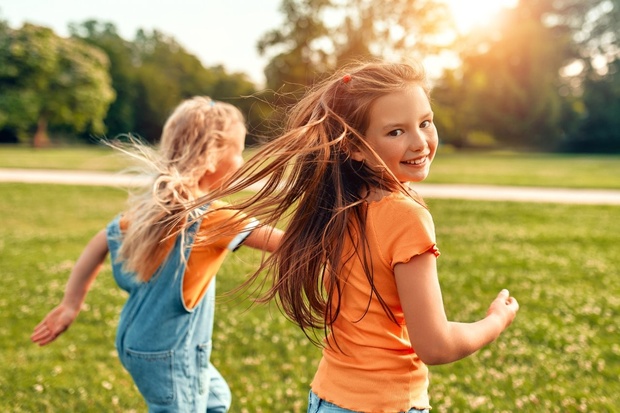
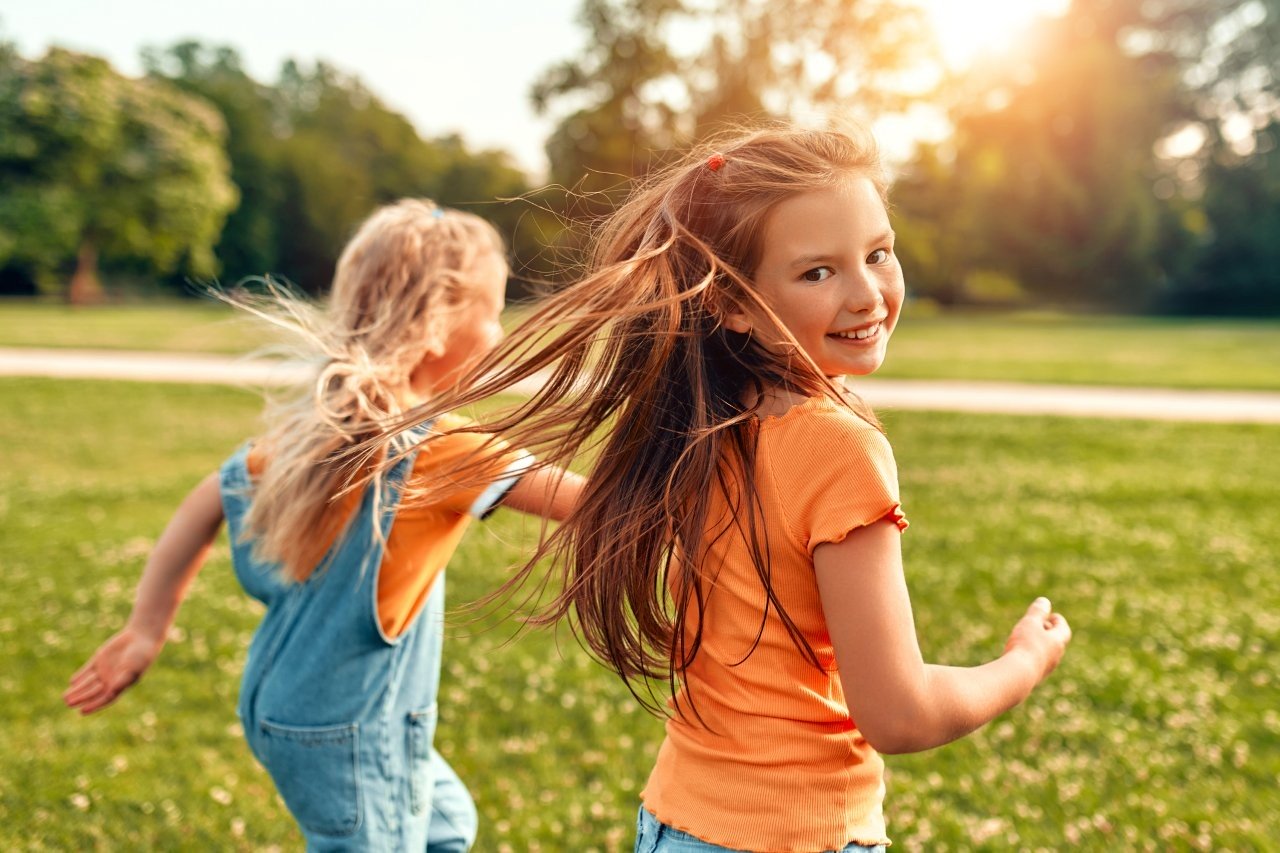
As students across Australia and around the world return to school, new international research is warning that one of the most powerful drivers of children’s wellbeing and learning remains significantly undervalued: outdoor play.
The global study involving teachers from 25 countries has found that outdoor play is routinely treated as a break from learning, rather than a critical part of it, despite evidence that play supports children’s physical health, mental wellbeing, social development and classroom engagement.
The study surveyed more than 130 primary and secondary teachers worldwide and reveals a consistent pattern: teachers are expected to supervise play, but are rarely trained to understand or support it as learning.
Schools can offer children the equivalent of more than a full year of learning time through recess and outdoor play across primary school.
Yet globally, teachers told us they received almost no preparation to make the most of this time.
Play is not the opposite of learning
Published in the Journal of Outdoor and Environmental Education, the research found that teachers rated the priority given to outdoor play at just four out of ten, compared with classroom learning, despite recognising its clear developmental value.
Teachers identified several barriers to valuing play, including:
- lack of training beyond early childhood education,
- pressure to prioritise literacy and numeracy testing,
- limited funding and infrastructure,
- risk-averse policies,
- and a cultural perception that play is ‘downtime’.
The findings echo themes raised in my recent TEDx Albury Wodonga talk, Play is the Prescription (below), where I argued that schools have unintentionally designed play out of children’s lives, even as rates of anxiety, inactivity and disengagement rise.
We’ve built school systems that are highly structured, highly scheduled and increasingly sedentary.
Play isn’t a luxury or a reward, it’s a biological and developmental necessity.
Teachers want change – and practical solutions
Importantly, the study shows teachers are not resistant to play – they are asking for support.
Many reported that when they felt confident and prepared, play supervision became one of the most positive parts of their day, helping them build relationships, support inclusion and improve student behaviour and wellbeing.
Teachers also called for:
- better professional learning on play across all year levels,
- stronger links between play and curriculum outcomes,
- updated terminology such as ‘discovery time’ rather than ‘recess’,
- and greater recognition of play in secondary schools.
A timely message as schools reset for the year
With the start of the school year often focused on academic goals, timetables and assessment, I believe that January and February is the ideal moment to rethink how schools frame play.
If we truly want healthier, happier and more engaged students, we need to stop treating play as the pause button on learning.
Play is where children practise resilience, creativity, social skills and self-regulation, the very things schools say they value most.
The research provides a timely evidence base for school leaders, education systems and policymakers seeking practical, low-cost ways to support student wellbeing and learning outcomes in 2026 and beyond.
From evidence to action
Building on the international findings, I am also leading the REPLAY study, a project exploring how play experiences have changed across generations from parents and grandparents to children today.
The study invites families, educators and community members to reflect on their own childhood play experiences and consider how opportunities for outdoor play have shifted over time.
REPLAY helps connect the research with real family experiences.
It gives parents, grandparents and educators a voice in understanding how play has changed and why it matters for the next generation.
Families, educators and community members who would like to contribute to ongoing research on children’s play can take part in the REPLAY study via a short, anonymous online survey, here.