
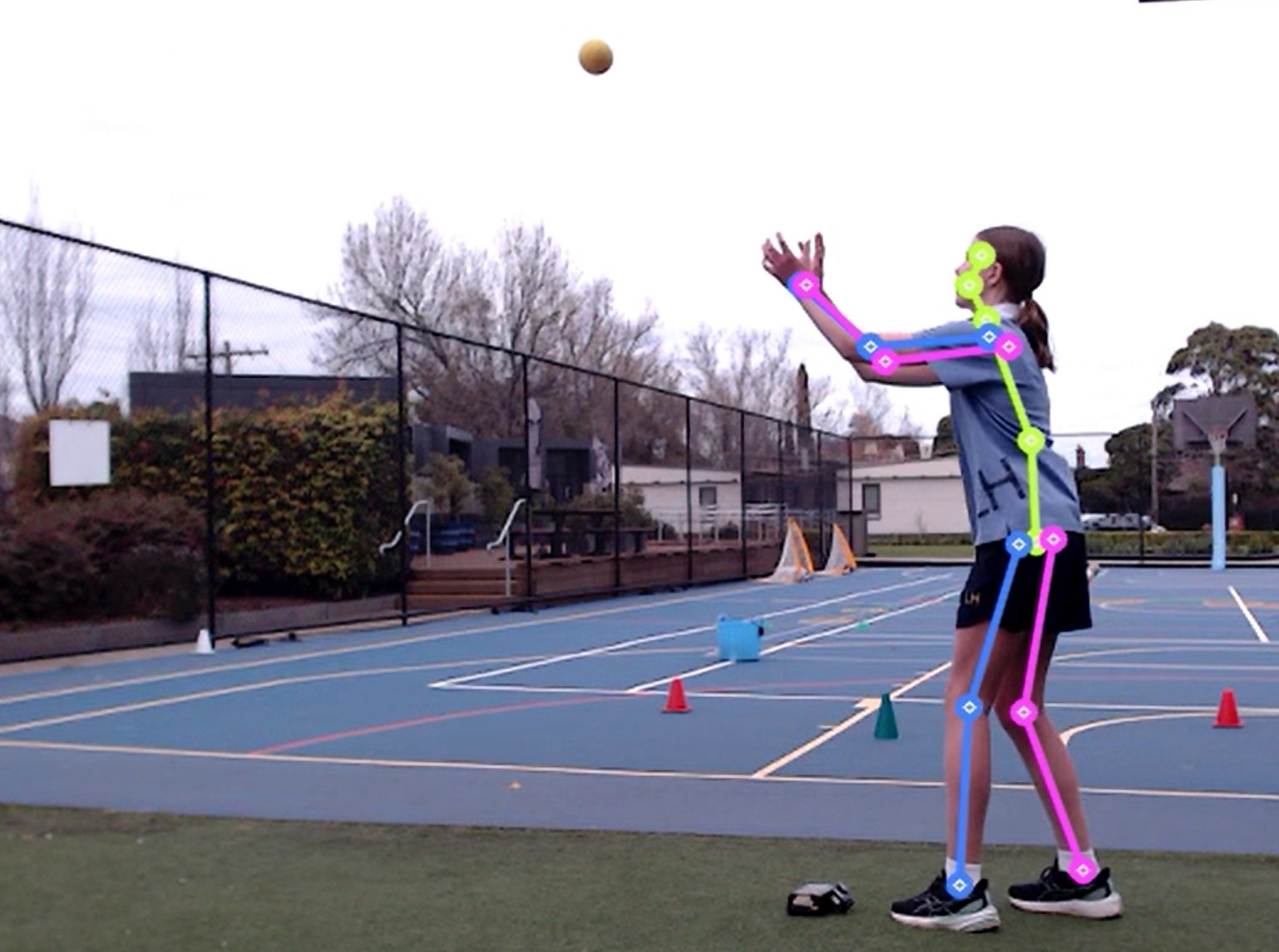
World-first video-based assessment platform, Moving the Next Generation (MNG), offers a simple and cost-effective way for any teacher to support improvements in foundational skills like hopping, jumping, skipping, throwing, kicking and catching a ball.
Researchers from Deakin University’s Institute for Physical Activity and Nutrition (IPAN) and the Institute for Intelligent Systems Research and Innovation (IISRI), in partnership with the Victorian Government, have spent years developing the machine learning platform.
For IPAN’s Associate Professor Natalie Lander it’s been a ‘labour of love’ for almost a decade, and she says MNG is a potential game-changer for primary schools, sporting clubs and community groups, especially those working with vulnerable populations, as it allows teachers and coaches to perform expert-level evaluations quickly and accurately.
Lander’s research largely has centred on developing and delivering evidence-based teacher education interventions, which aim to improve students’ health, learning and wellbeing outcomes.
The development of basic motor competence skills, she explains, is critical for children to not only being active, but also a range of other important developmental and health outcomes, along with academic outcomes.
“So, cognitive development, social connection, academic outcomes, problem-solving, executive function, lots of self-esteem, self-perception markers as well,” she says.
Typically, developing children should master basic foundational skills by the age of 10, however Australian research shows that only half of the adolescent population actually have these skills.
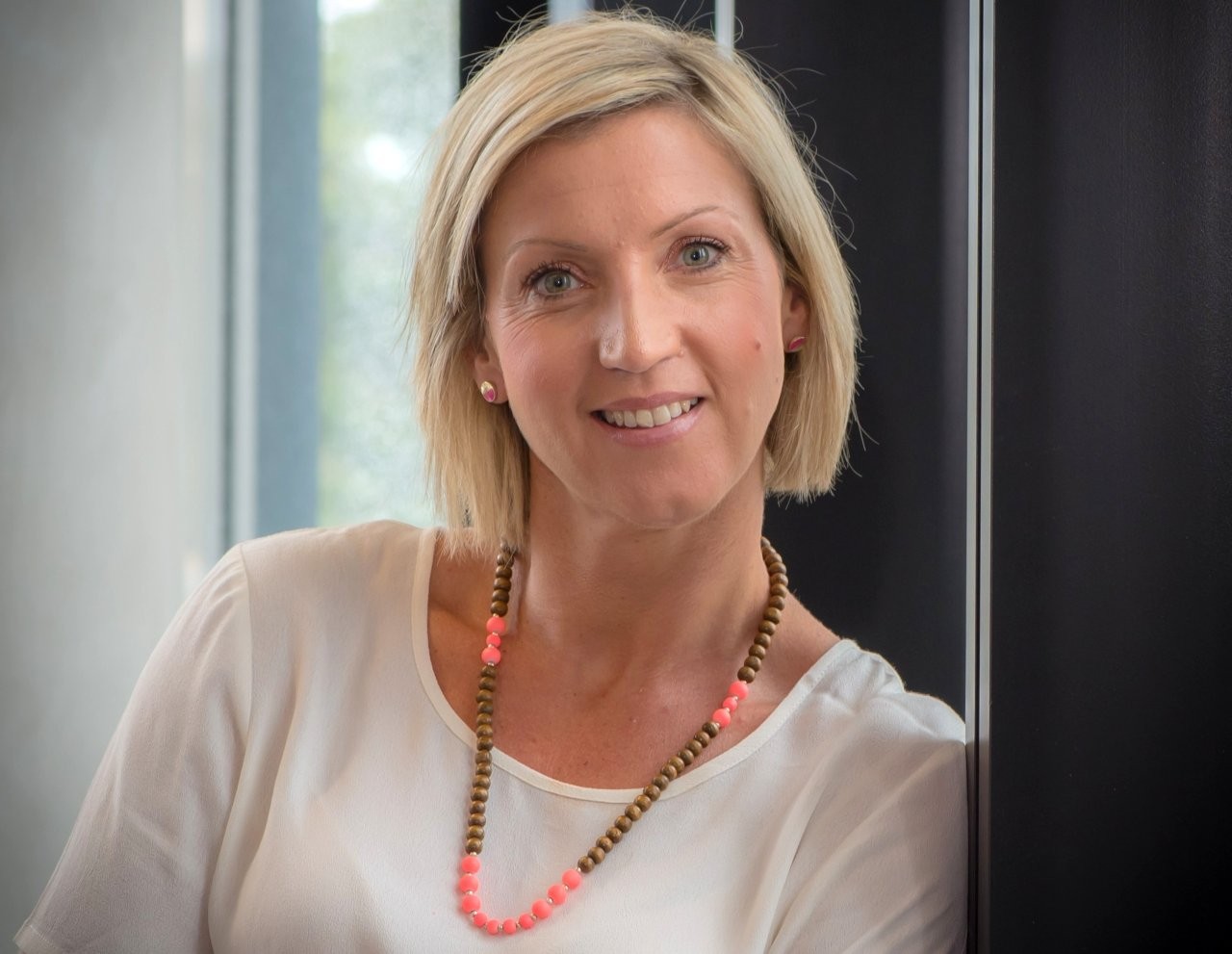
MNG’s level of accuracy reduces the assessment burden on staff and allows them to get on with the important job of teaching and coaching, Associate Professor Natalie Lander says.
While junior sports and primary school programs play a crucial role in developing these, many teachers and coaches don’t have the time or resources to accurately assess and address skill deficits.
“Obviously, you’ve got a teaching staff, you’ve got a curriculum that’s aligned to developing these skills in PE, you’ve got the resources, you’ve got the equipment, but what our research has shown us over all of these years is that although teachers really believe that they’re important, they just don’t have the time, the resources, the confidence, the tools available to be able to assess the skills early, so in a diagnostic sense, and then develop a tailored program to improve them.”
In secondary schools, students are coming in with often very low levels of skill, with very limited prospect of improvement, mostly because teachers don’t have the capacity to be able to identify where each student is at and then target their programming to the specific needs of those children.
About six years ago, in consultation with engineers at Deakin University, Lander and her team developed a sensor-ware solution, where sensors could be placed on the ankles and the wrists of children.
While it worked “really, really well” in testing, teachers simply didn’t have the time, nor the expertise to fit the sensors on the students nor deal with the excessive hardware, extra time and equipment involved.
Not to be deterred, Lander went in search of an AI solution.
Collecting data from more than 1400 children at a Science Works activation project several years ago, her team was able to create a gold standard of assessment and develop a machine learning algorithm.
“It performed really, really well because we had lots of data and we could train the model to perform well, and simultaneously we worked with a software developer to create a user-friendly web-based app that’s device agnostic, so you can use it on the phone or a tablet or a computer that the end-to-end use is super easy.”
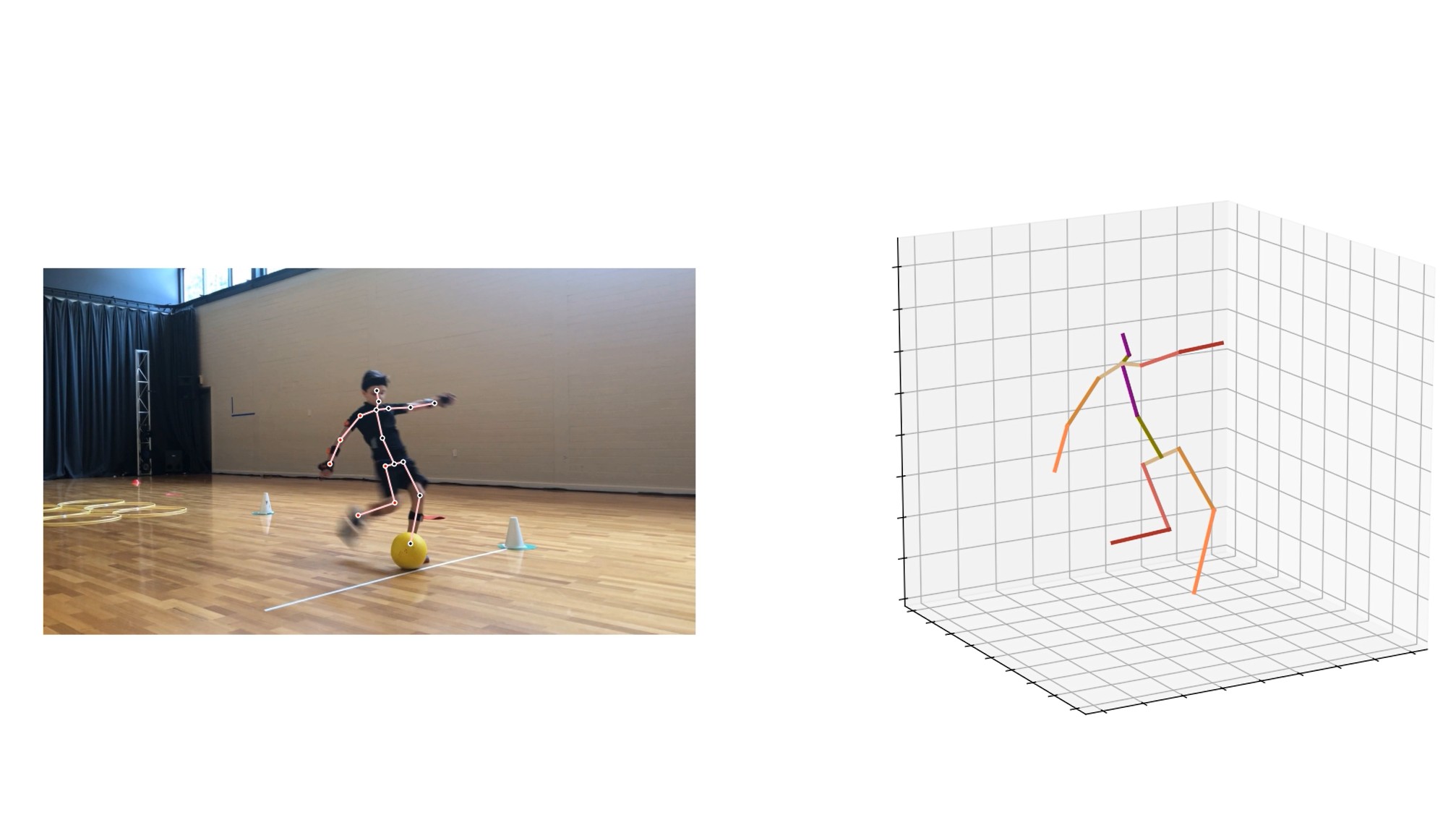
Compared to traditional assessment methods, MNG significantly reduces the time and resources involved, while maintaining high levels of precision.
“Literally, a teacher picks up the phone or a tablet, they select the student, they select the skill, they press ‘start video’, they video the performance, stop the video, and within 10 seconds they’ve got a really detailed understanding of where the students are performing well and where they’ll need additional support, and then ideas around teaching cues and tips, and they can construct their curriculum and their pedagogical approach to really work on the areas that need work.”
It’s clearly an exciting breakthrough and one that Lander hopes will contribute significantly to levelling the playing field, so to speak.
The urgency for effective tools such as MNG has increased due to the significant decline in physical activity rates among primary school aged children, particularly since the COVID pandemic.
“Many children are now less active, less fit, and less engaged in formal and informal sport, and mental health issues are a real concern,” Lander shares.
“… as well, we know that low SES and CALD backgrounds and children with disability, and girls actually, are much lower skilled in general, so if we can, we want to target those more vulnerable populations through an equity push so that all teachers have this really great starting point from which to launch their curriculum from.”
Ideally she would love to see early primary educators embracing the technology, when “children are more willing to give things a go, they don’t have that sort of perception of others”.
“It’s all connected to the Victorian Curriculum, it’s directly aligned to every sub-strand of the Victorian Curriculum that relates to the development of fundamental movement skills or movement sequences or more complex movements,” she says.
“We’ve made those direct connections so that it can automate reporting for teachers as well, providing evidence of how they’re meeting these strands and sub-strands.”
The next step is getting a website up and running and accessible – but that requires support.
“What we would love is for the Victorian Curriculum and Assessment Authority, the Department of Education or the Department of Health to pick it up, because we want all teachers and all schools to have access, not just the schools that have the resources and the funds and teachers, who are already probably ahead of the game,” Lander says.
Click here for a link to the study. MNG is undergoing further testing ahead of full availability next year. For more information, email Associate Professor Natalie Lander here.