While local First Nations volunteers often fill a range of classroom support roles, the teacher and principal positions are almost always the exclusive domain of short-term out-of-towners, largely teaching a western curriculum and with limited experience and expertise in local traditional culture and history.
Consider this: there are 400-600 Aboriginal people working across Northern Territory public schools in classroom support roles, assistant teacher roles, co-teaching roles, team teaching roles - and that number drops to about 130 for qualified Aboriginal people working as classroom teachers.
There are 64 senior teachers and less than 10 Aboriginal principals.
In response, an exciting new collaborative initiative, called the First Nations Training and Teacher Education Hub has just launched.
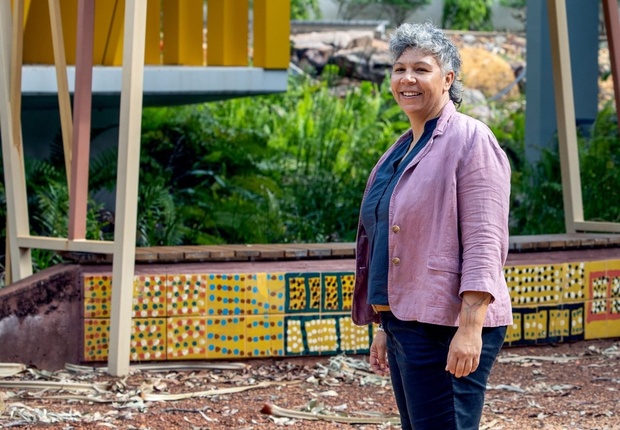
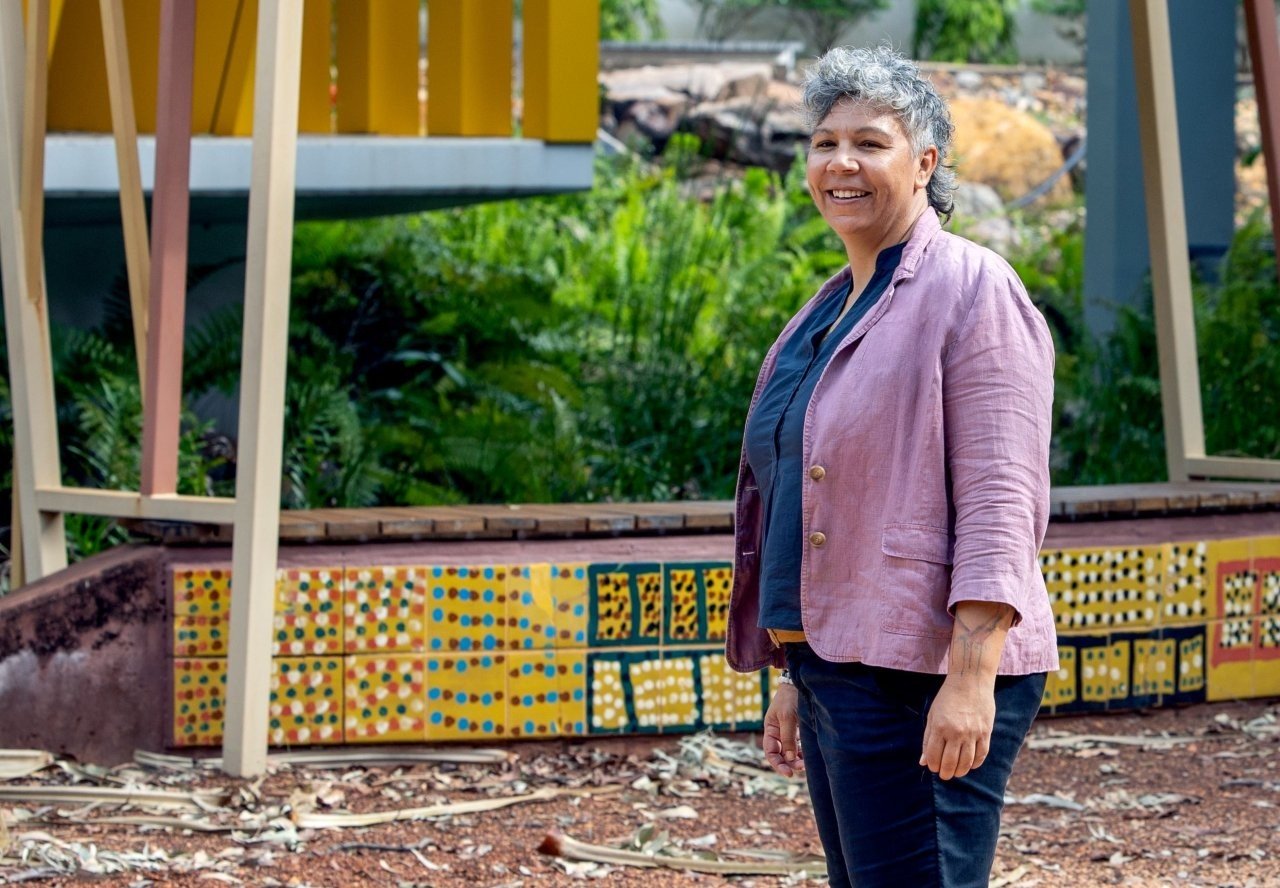
Designed to grow the next generation of First Nations teachers, educators, and leaders across the Territory, CDU senior lecturer in Education and hub director Larissa Pickalla, a proud Djiringanj (Yuin) woman, originally from Wallaga Lake on the south coast of New South Wales, says the launch marks a new chapter in how the NT grows and sustains its teaching workforce.
“We’re in the midst of a massive teacher shortage here in Australia and in the Territory our remote and regional schools have a high turnover of non-Indigenous teachers,” Pickalla tells EducationHQ.
“But who are the ones that are always there? They’re always the Aboriginal educators. They’re often the ones connected to the community, they know what’s happening, they’re listening, they know the kids and have the lived experience.”
Pickalla says the hub has been two years (and then some) in the making.
“This is our heart work: creating the programs, partnerships and visibility that support First Nations educators to thrive,” she says.
“When First Nations children see teachers who share their culture, language, and story, they believe they belong.
“You can’t be what you can’t see, and that’s what this Hub is about.”
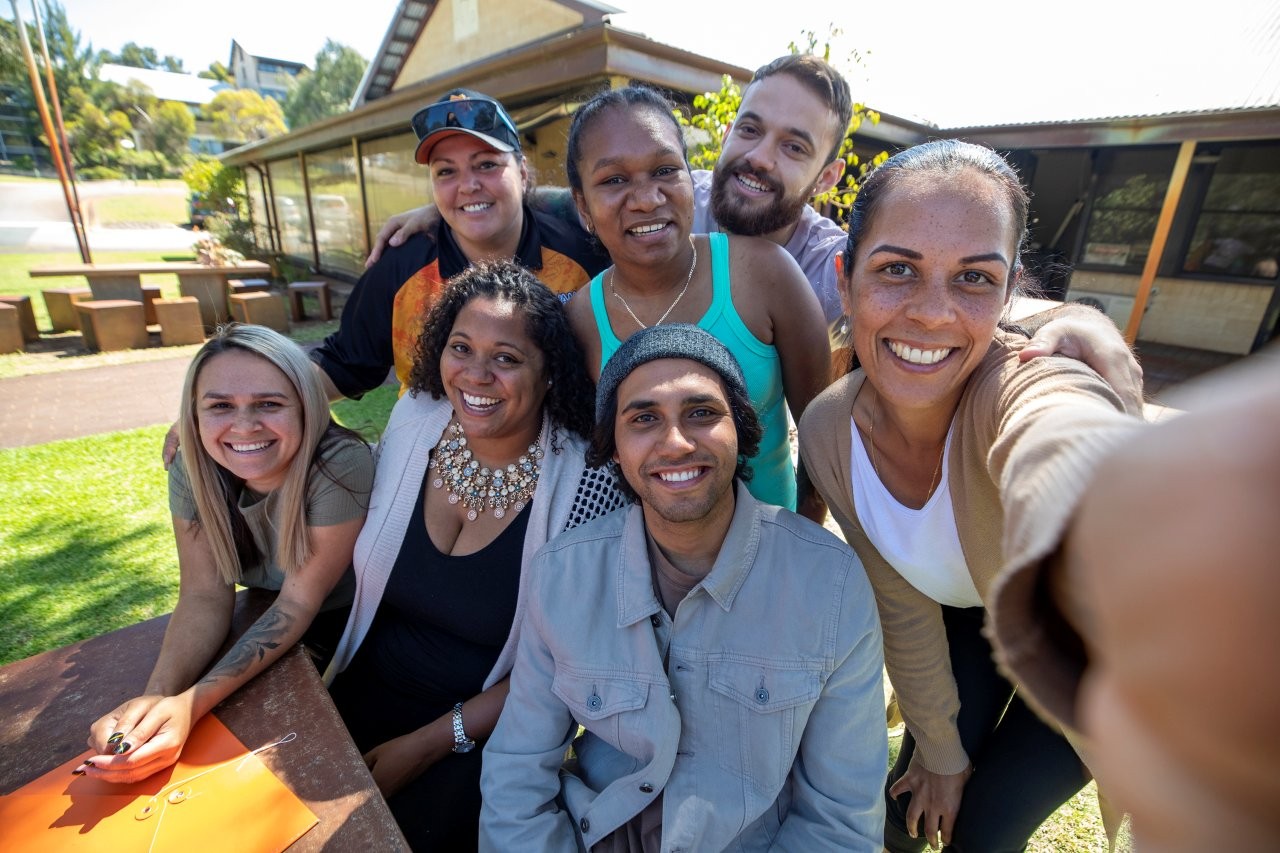
As the Hub cements its position as a powerful resource for the Australian education system, director Larissa Pickalla hopes to see more First Nations teachers in classrooms across the NT and Australia.
The Hub is a place of collaboration and connection, that draws on the successes from the many similar prior programs that have come and gone.
One of its biggest priorities has involved building partnerships between academics, First Nations organisations, the NT Department of Education and Training, and regional communities.
“It’s about ‘how can we come together so that we can create long term sustainable change’, because you’re talking about Aboriginal educators who are working full-time, they’re studying part-time; this is a long-term journey,” Pickalla says.
“We want to build the next generation of Year 12 students seeing teaching as a career opportunity for them. And also remote jobs, it’s also about people living and working in their communities, so they don’t have to leave.”
At present just 4.6 per cent of NT teachers identify as Indigenous, despite 39 per cent of school students in the Territory being First Nations students.
“Our schools and our education system must be culturally responsive to the needs of Aboriginal people, both as students, but also as places for Aboriginal people to work,” Pickalla explains.
“A big piece of the work that we do in the hub is also around that culturally responsive piece.
“So we’ve created two micro-credentials, one in culturally responsive leadership, in partnership with the Department of Education to target their principals and assistant principals around ‘how do we build culturally responsive schools and how do we lead so that our workforce is culturally safe for Aboriginal people to enter in’.
The hub is also launching a pilot podcast series involving Aboriginal teachers talking about teaching Aboriginal kids and culturally responsive schooling.
“I didn’t have an Aboriginal teacher when I was studying university in teacher education, and I didn’t have a teacher in my primary school or my secondary school that was Aboriginal, and so you’re constantly walking and navigating these two worlds and sometimes those two worlds don’t add up.
“When we have more Aboriginal teachers, I think students then see themselves in the system and they say ‘hey, okay I can be myself and here’s the place that values who I am’, but it starts with your workforce.”
One of the key initiatives the hub will utilise to increase cultural responsiveness in the nation’s teaching workforce is through a first-of-its-kind Associate Degree in First Nations Cultural and Language Education.
The multidisciplinary degree combines units from education streams, linguistics, Indigenous Knowledges, and creative arts.
Pickalla likens it to accrediting practical industry experience towards a formal qualification.
Having worked previously as a youth worker, a health and PE teacher, a personal development teacher and running youth detention programs, reengagement centre initiatives in Aboriginal workforce training and development and as a lecturer, the academic understands deeply the value of grassroots experience.
“Before this degree was built, there was nothing for us to build our capacity within the Western qualification framework that recognises the strengths we have as Aboriginal and Torres Strait Islander people and to be able to formally teach our culture, language and story,” Pickalla says.
She says the associate degree allows people to move between the different strengths that they already bring and provides an opportunity for them to get Recognition of Prior Learning and professional experience based on that prior teaching experience.
“Because within NT you’re talking about a workforce that’s often been working in schools in support roles or teaching roles for seven to 15 years, so they’re quite experienced educators.
“We’re just helping them get the Western qualification but also acknowledging the strengths that they already have.”
The associate degree launches kick off next year thanks to Commonwealth funding. There’s also an on-country program in the undergraduate certificate providing a pathway into the associate degree.
“So we’re hoping to have 30 Aboriginal people in those pathways next year as a as a start, and then moving on we’ve currently got 31 Aboriginal educators studying across the Bachelor of Early Childhood Pathways in schools. It’s really exciting,” Pickalla shares.
As the hub cements its position as a powerful resource for the education system, Pickalla hopes to see more First Nations teachers in classrooms across the NT and the rest of the nation.
“The impact of this work will live far beyond the university, in every school, every classroom and every community,” she says.
“Every educator we support today is a future qualified teacher, a leader and a mentor for the next generation.”